What to look for
When buying a fridge after moving into a home with a small kitchen, first check the space and delivery route. Then compare fresh and frozen food storage against your habits. Noise levels and energy consumption can help you choose between appliances that already fit the available space.
| Criteria |
What to check before buying |
Who it matters most to |
| Size and installation |
Measure the space, access route and door-opening clearance. Then check the clearances recommended in the instructions for the specific model. |
If I need to get the appliance through narrow access points, I also check that it can open and has enough ventilation once installed. Around 27% of consumers prioritise size and installation. |
| Fresh food storage |
Compare the fridge capacity and the layout of the shelves and drawers with the contents of a typical shop. |
When I shop for several days at a time, I want to store fresh food without relying on the total capacity alone. Around 27% of consumers prioritise fresh food storage. |
| Space for frozen food |
Check the freezer compartment capacity on the model’s product page, separately from the fridge capacity. |
If I regularly keep frozen food between shops, I compare the available freezer space with what I buy. Around 20% of consumers put this need first. |
| Noise in your living space |
Compare the stated noise levels of models that already suit your kitchen. The noise you hear at home may differ. |
In a studio flat or open-plan kitchen, I check the noise level because the appliance is close to my living space. Around 13% of consumers prioritise quiet operation. |
| Energy use and protection |
Check the kWh/year figure on the energy label and find out what delivery and installation include. Distinguish between your statutory rights and any commercial warranty. |
If I want to compare running costs and after-sales terms, I check the label and the services included with my order. Around 13% of consumers put these factors first. |
Fridges available on Joybuy
This selection includes integrated and freestanding models, from single-door fridges to fridge freezers, so you can compare how they fit into a compact kitchen and how they store fresh and frozen food.
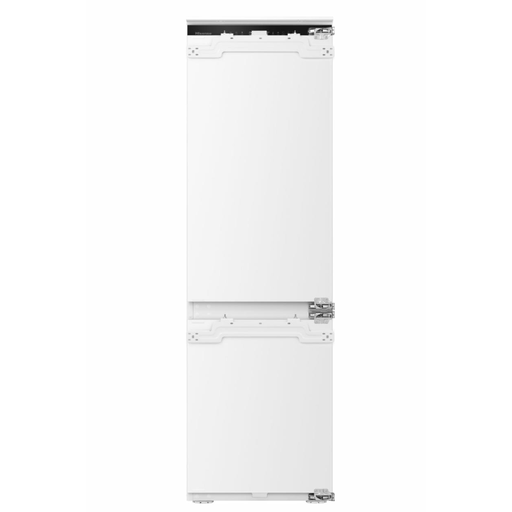 Image unavailable
Hisense RB3B250SAWC, integrated fridge freezer
Worth considering if your kitchen has a compatible housing and you want separate spaces for fresh and frozen food.
Stated capacity of 252 l, split between 176 l for the fridge and 76 l for the freezer; stated width of 540 mm; energy rating C; noise level of 34 dB(A); No Frost technology and an inverter compressor, according to the product name.
View on Joybuy
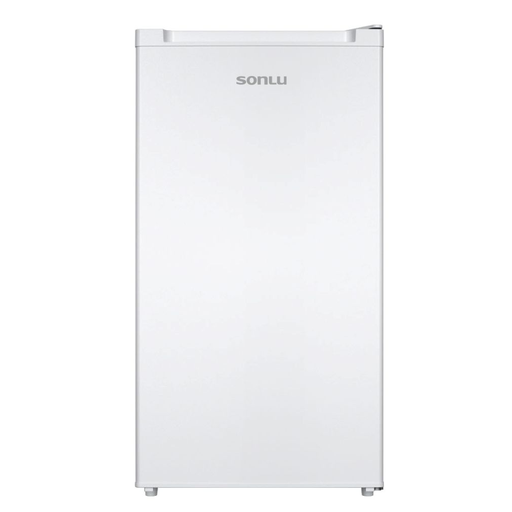 Image unavailable
Sonlu CS-100L, 82 l single-door fridge
Worth considering for a compact space mainly used for fresh food, if you don’t need a freezer compartment.
Stated capacity of 82 l; energy rating E; stated noise level of 40 dB; adjustable shelves and a salad crisper mentioned in the product description. The description states that there is no freezer compartment.
View on Joybuy
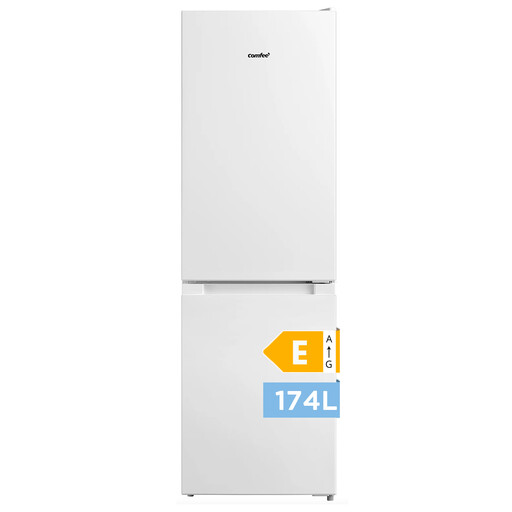 Image unavailable
Comfee' RCB169WH2(E), 174 l fridge freezer
Worth comparing if you need separate spaces for fresh and frozen food but want a freestanding appliance.
Stated capacity of 174 l, with 115 l for the fridge and 59 l for the freezer; Low Frost technology; reversible door; stated noise level of 39 dB; energy rating E.
View on Joybuy
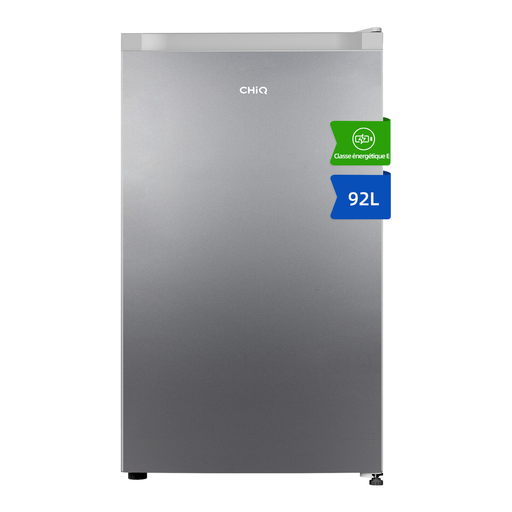 Image unavailable
CHiQ JR92DSE, 92 l single-door fridge
Worth considering for a small space if you want a single-door fridge with a compact freezer section.
Stated capacity of 92 l; stated width of 47 cm; compact freezer section; reversible door; energy rating E. The product description mentions adjustable shelves and a salad crisper.
View on Joybuy
 Image unavailable
CHiQ JR227LSE, 227 l fridge freezer
Worth comparing if you want a freestanding fridge freezer and its width suits the space you have available.
Stated capacity of 227 l, split between 153 l for the fridge and 74 l for the freezer; stated width of 54 cm; Low Frost technology; reversible door; energy rating E.
View on Joybuy
Frequently asked questions
How much space should you leave around a fridge for ventilation?
Follow the instructions for your chosen model and the airflow requirements for its installation. Samsung France advises leaving 50 mm on the right, left and behind, and 100 mm above, while noting that these clearances may vary by model. Bosch Électroménager France describes plinth ventilation for some integrated under-counter fridges; these clearances are not universal.
What should you measure before delivery to a new home?
Measure the space, doors and access route, then compare these measurements with the model’s dimensions and, if necessary, the packaging dimensions requested from the seller. Also check the door-opening clearance. For an integrated model, check that the housing, ventilation and door-front fitting are compatible. The appliance dimensions alone cannot guarantee that it will fit through your home.
Is an energy label required for a fridge bought online in France?
Yes. The French Ministry for the Economy and Finance states that energy labels are required for new fridges sold both in shops and online. According to the European Commission, the current A to G scale has been in place since 1 March 2021. Check the label and the exact model reference.
What does the statutory guarantee of conformity cover for a new appliance?
In France, you make a claim to the professional seller, and it covers issues including lack of conformity. In information updated on 9 September 2026, the Ministry for the Economy and Finance states that the period for a new item is two years and explains that some installation problems may also be covered under the applicable conditions. This statutory guarantee is separate from a commercial extended warranty.
Which services should you confirm before ordering?
Ask whether delivery includes taking the appliance to the room you want, whether positioning and fitting a door front are included, and how collection of your old appliance is arranged. One individual review on a Whirlpool product page describes being charged for door installation and then disputing the charge; it does not show that this is a common occurrence.


