What should you look for?
For a fridge used continuously at home, first decide how much space you need for fresh and frozen food, and choose a format that suits your kitchen. Then compare the annual energy use of suitable models. If your current appliance has broken down, also consider whether it can be repaired.
| Criteria |
What to check |
Who is it for? |
| Annual energy use |
Compare the kWh/year figures for models with capacities and compartments suited to the same needs. The energy label and the European Commission’s EPREL database let you check the data declared for each model. |
I’m replacing an appliance that runs day and night and want to keep energy use down without giving up the space I need. Around 36% of consumers would put annual energy use first. |
| Capacity and format |
Check the fridge and freezer capacities separately, along with the dimensions and, for a built-in model, the required niche size. |
I buy fresh and frozen food, but a large total capacity wouldn’t help if the space isn’t divided in a way that suits me. Around 29% of consumers would prioritise the right format. |
| Food storage and care |
Check the temperature control and defrosting method. Anses recommends a temperature of 0 to +4 °C at the coldest point in the fridge. |
I store perishable food and want to be able to control the temperature, while choosing an appliance that’s easy for me to maintain. Around 21% of consumers would put this first. |
| Repair or refurbished |
If the appliance has broken down, ask for an assessment and a quote. For a refurbished model, check the model, its condition and its stated energy use. |
My appliance might still be usable, or I’m considering a refurbished one. I want to know its condition before I decide. Around 14% of consumers would prioritise this. |
Fridge-freezers to compare on Joybuy
These fridge-freezers are designed for storing fresh and frozen food in one appliance. The selection includes freestanding models and a built-in model. First choose the format and capacity that suit you, then check the annual energy use on the label for the specific model.
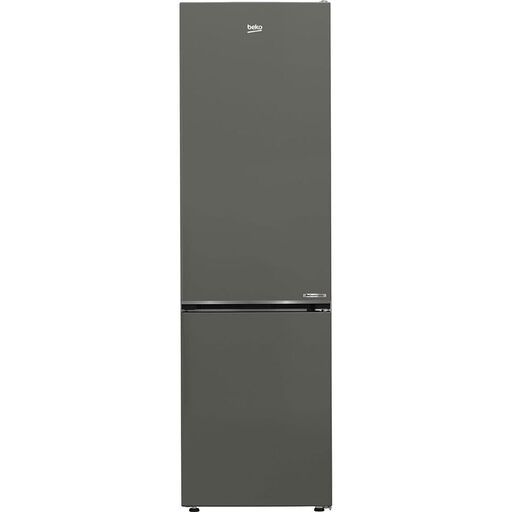 Image unavailable
Beko B5RCNE406HG, 355 L, grey
A freestanding fridge-freezer to consider if you regularly store fresh and frozen food. The product title lists a capacity of 355 L, a C energy rating and Total No Frost. Check that its dimensions and capacity split suit your needs.
View on Joybuy
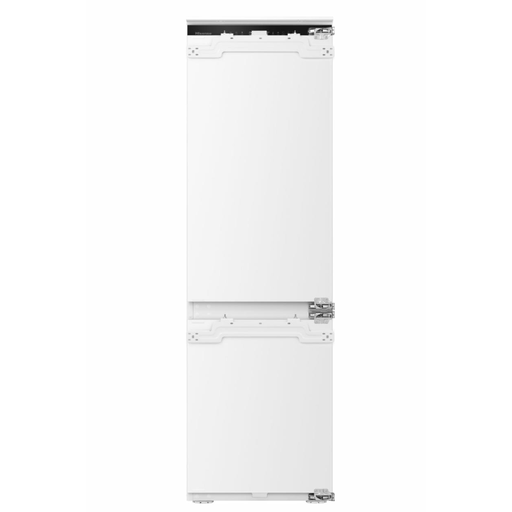 Image unavailable
Hisense RB3B250SAWC built-in, 252 L
Worth considering if you need a fridge-freezer that fits into a fitted kitchen. The product title lists a capacity of 252 L, a C energy rating, No Frost and an Inverter compressor. Measure the niche and check the installation requirements in the instruction manual before choosing this model.
View on Joybuy
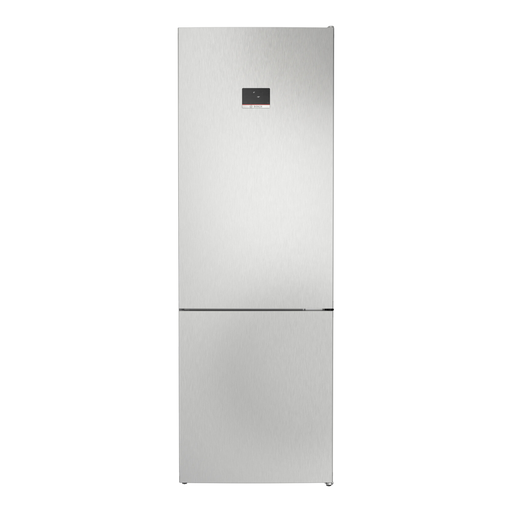 Image unavailable
Bosch KGN497LDF, 440 L, grey
This freestanding fridge-freezer is worth considering if you need a large amount of storage space. The product title lists a capacity of 440 L and a D energy rating. Check the dimensions, the capacity of each compartment and the kWh/year figure before comparing it with a smaller model.
View on Joybuy
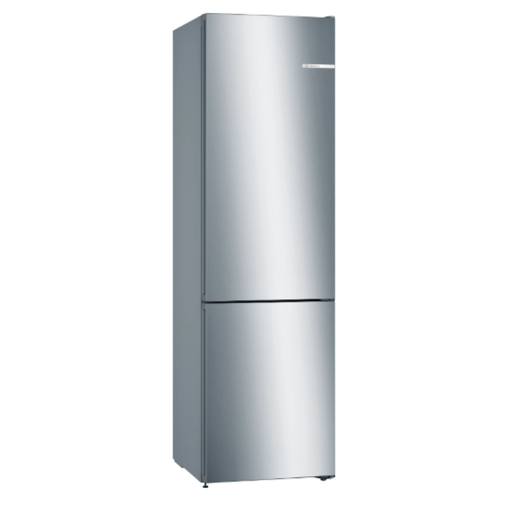 Image unavailable
Bosch KGN39VLEB, 368 L, stainless steel
A freestanding fridge-freezer to consider if you want to store fresh and frozen food without opting for a 440 L model. The product title lists a capacity of 368 L and an E energy rating. Check the available space, the capacity of each compartment and the specific model’s annual energy use.
View on Joybuy
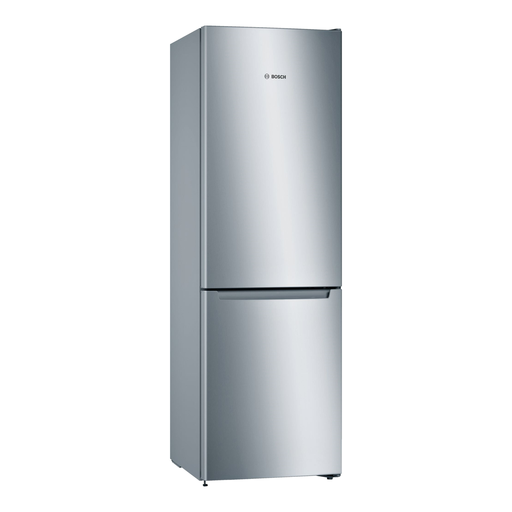 Image unavailable
Bosch KGN33NLEB, bottom freezer, 282 L
This bottom-freezer fridge-freezer is worth considering if a capacity of 282 L better suits the way you store food. The product title lists an E energy rating. Compare the capacity of each compartment and the kWh/year figure with those of other models suited to your household.
View on Joybuy
Frequently asked questions
How do you compare the energy use of two fridges?
Compare their kWh/year figures after checking that they meet similar needs for capacity, freezer space and installation. The energy rating is another useful indicator, but it doesn’t replace the annual figure when capacities differ. The European Commission’s EPREL database lets you check the declared data for each model covered by the energy label.
What temperature should you set your fridge to?
Anses recommends a temperature of 0 to +4 °C at the coldest point. Check the actual temperature and avoid overfilling the appliance so that cold air can circulate.
Does No Frost always reduce electricity use?
Don’t choose No Frost on the assumption that it will, by itself, reduce the kWh/year figure. This feature manages frost in the compartments specified for that model. Compare the annual energy use of specific models with the capacity you need.
Should you repair a broken fridge before buying another one?
An assessment and a quote can help you decide based on the fault, the condition of the appliance and the specifications of any replacement you’re considering. Repair isn’t automatically the better option. In France, ecosystem offers a Repair Bonus for certain eligible repairs carried out under the QualiRépar scheme on appliances that are no longer covered by a warranty or insurance policy.
Does a refurbished fridge bought from a professional seller come with the legal guarantee of conformity?
Yes. According to the French ministry responsible for the economy, the legal guarantee of conformity also applies to refurbished goods sold by a professional to a private customer. Before buying, check the model number, declared condition and stated energy use, and keep your receipt.


