What should you look for based on your shopping habits?
Que Choisir covers formats from table-top fridges to multi-door models, depending on the space available and your shopping habits. First work out what needs to fit in the fridge and freezer compartments, then compare the appliances that suit your kitchen using the energy label.
| What to consider |
What to check |
Who this matters to |
| Balance of fresh and frozen food |
Check how much you store at most after shopping, then compare the fridge and freezer capacity of the model separately. |
If I shop for the week, I need enough room for fresh food without sacrificing my frozen-food stock; around 31% of consumers put this balance first. |
| Frozen-food storage |
Compare the freezer capacity and drawer layout; also consider whether a separate freezer is an option. |
When my big shops regularly include lots of frozen food, I need to be able to store it all, including bulky packs. For around 31% of consumers, freezer capacity comes ahead of other considerations. |
| Space and installation |
Measure the space, delivery route and door clearance. For an integrated model, check the housing and ventilation requirements in its instruction manual. |
In a small kitchen or fitted space, I need to be able to install the appliance and open its doors without obstruction; around 23% of consumers prioritise this constraint. |
| Energy consumption and noise |
When comparing appliances that meet the same storage needs, check the kWh/year, noise level in dB and noise class on the label. |
If my kitchen is close to the living room, I want to keep noise down while comparing the energy use of suitable models. Around 15% of consumers put this combination of factors first. |
Fridges to compare on Joybuy
These fridge-freezers and multi-door models let you compare different splits between fresh and frozen food. Match their format to your shopping habits and available space. A separate freezer is another option if you need more room for frozen food.
 Image unavailable
Candy CFQQ5T817EPS, four-door fridge-freezer, 467 l
Worth considering if your big shops call for a four-door appliance, provided it fits in your kitchen.
The model name indicates a total capacity of 467 l, Total No Frost and an energy rating of E. Check the split between fridge and freezer capacity, as well as the clearance needed to open the doors.
View on Joybuy
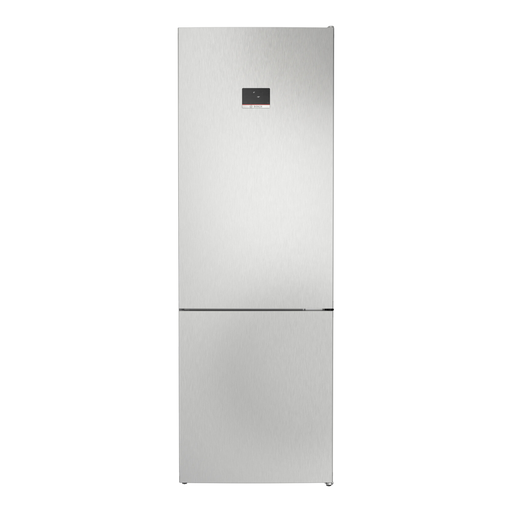 Image unavailable
Bosch KGN497LDF, 440 l fridge-freezer, energy rating D
Worth considering if you want one fridge-freezer for fresh and frozen food to cover your regular shopping.
The model name indicates a total capacity of 440 l and an energy rating of D. Compare the capacity of each compartment with your usual stock, then check the dimensions and ventilation requirements in the KGN497LDF instructions.
View on Joybuy
 Image unavailable
Samsung RF50C530EB1, 495 l multi-door fridge-freezer, energy rating E
Worth considering if you buy a large amount of food and have a suitable space for a multi-door appliance.
The model name indicates a total capacity of 495 l and an energy rating of E. Check the fridge and freezer capacities, door layout and space needed to open the doors.
View on Joybuy
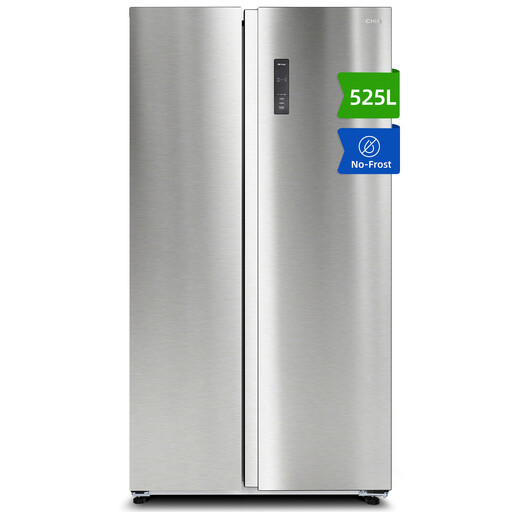 Image unavailable
CHiQ JR525WSE, 525 l side-by-side fridge-freezer
Worth comparing if plenty of freezer space is one of your main priorities and your kitchen can accommodate a side-by-side appliance.
The model name indicates 333 l of fridge capacity, 192 l of freezer capacity, No Frost, 37 dB and an energy rating of E. Before choosing, check its dimensions, installation clearances and kWh/year on the model’s energy label.
View on Joybuy
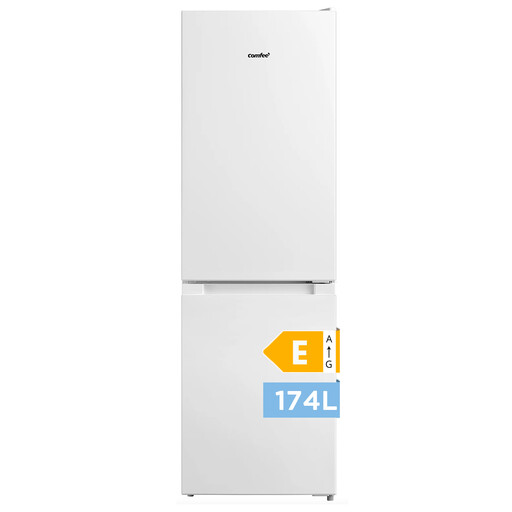 Image unavailable
Comfee' RCB169WH2(E), 174 l fridge-freezer
Worth considering for a kitchen where you need a shorter fridge-freezer, provided its compartments can accommodate your frozen-food stock.
The model name indicates a total capacity of 174 l, a height of 150 cm, Low Frost, 39 dB and an energy rating of E. Check the fridge and freezer capacities, kWh/year and the installation clearances required.
View on Joybuy
Frequently asked questions
How do you compare two fridges in different formats?
First rule out any models that won’t fit in your kitchen or whose compartments don’t meet your storage needs. Then compare the fridge and freezer capacities, annual energy consumption and noise level shown on the energy label for the remaining models. The European Commission confirms that the label brings together this information.
Is the energy rating enough to compare energy consumption?
No. Check the kWh/year and usable capacity too. The rating alone won’t help you choose between a small fridge and a much larger appliance if they don’t meet the same storage needs.
What should you measure before ordering a fridge?
Measure the width, height and depth of the space, the route into your kitchen, and the room needed to open the doors and remove the drawers. For an integrated model, check the housing and ventilation requirements in its instructions too: installation requirements vary between appliances.
Is a multi-door fridge-freezer always right for a large family?
No. It’s worth considering if the capacity of each compartment and the layout suit your shopping habits, and your kitchen has space for it. A fridge-freezer may also meet your needs if its fridge and freezer compartments are large enough. Compare the capacity in litres rather than basing your choice solely on the number of people in your household.
What should you do with your old fridge when replacing it?
Arrange for it to be disposed of through a suitable route for electrical equipment. The Ministry for the Ecological Transition lists collection points, recycling centres, retailers and social and solidarity economy organisations as options. Ask the retailer what collection and removal arrangements are available for your order.


