What to compare
Fridge
Worth considering: if you mainly store fresh food or already have enough freezer space.
Check: a small freezer compartment, if there is one, may not be suitable for storing the amount of frozen food you need.
Fridge freezer
Worth considering: if you need to keep fresh and frozen food in one appliance.
Check: the capacity of each compartment separately, as the total may hide a freezer that’s too small.
Separate fridge and freezer
Worth considering: if you need a separate freezer with enough room for your frozen food.
Bear in mind: you’ll need space for two appliances, and should compare their combined annual energy consumption.
Keep or repair your current appliance
Worth considering: if the appliance still meets your needs and keeps food properly chilled, or if it can be repaired.
Compare: its condition, the repair quote and the full cost of replacing it. There’s no universal break-even point.
Energy labels are based on standardised conditions. ADEME distinguishes these measurements from actual energy use, which varies depending on the appliance’s size and how it is used. So compare appliances that meet similar needs, rather than treating an energy rating as a promise of savings.
| Criterion |
What to check before buying |
Who it matters to |
| Electricity and total cost |
Annual energy consumption in kWh/year, the price per kWh on your tariff and any quoted charges. |
If I’m replacing my appliance to keep my spending under control, I also compare what each one offers with its stated energy use. Around 29% of consumers put running costs and total cost first. |
| Usable capacity |
Fridge and freezer capacity in litres separately, as well as the amount of food you actually store. |
If my needs for fresh and frozen food have changed, I want to avoid a compartment that’s too small or space I won’t use. Around 23% of consumers prioritise usable storage capacity. |
| Replace or repair |
The applicable guarantee, a repair quote and the conditions for the repair bonus. |
If my appliance still works or has developed a fault, I want to decide whether I really need to buy a new one. Around 18% of consumers prioritise keeping their appliance or looking into a repair. |
| Installation and noise |
The dimensions of the exact model, the instructions in its manual and its stated noise level. |
If space is limited or the kitchen opens onto a living area, I check the appliance’s dimensions and stated noise level. Around 18% of consumers put installation or quiet operation first. |
| Maintenance and features |
Which compartments have No Frost, how food is protected and the requirements for connecting the appliance. |
If I want to reduce the need for defrosting or use connected monitoring, I check what the feature does and what I need to access it. Around 12% of consumers prioritise easy maintenance or monitoring features. |
Fridges on Joybuy
This selection includes fridge freezers and a fridge, to suit different fresh and frozen food storage needs.
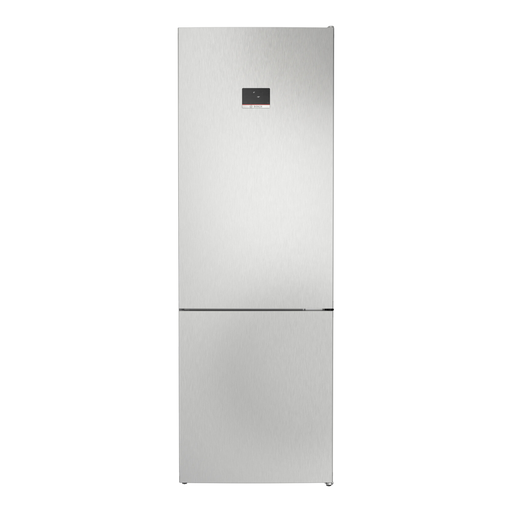 Image unavailable
Bosch KGN497LDF, 440 L, energy rating D
Worth considering if you want fridge and freezer compartments in one appliance and would like to compare its stated energy consumption.
Stated capacities: 311 L for the fridge and 129 L for the freezer. Energy rating D and stated energy consumption of 223 kWh/year.
View on Joybuy
 Image unavailable
Sonlu CC-520WE, energy rating E
Worth considering if you’re looking for a fridge freezer and want to check the capacity of each compartment.
Stated capacities: 252 L for the fridge and 103 L for the freezer. Energy rating E, Total No Frost system and reversible doors are listed.
View on Joybuy
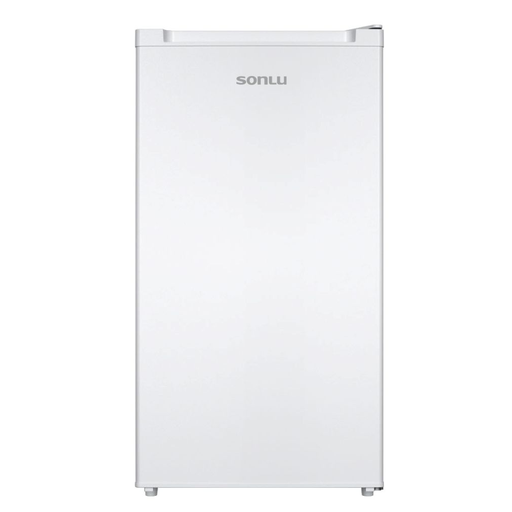 Image unavailable
Sonlu CS-100L, 82 L, energy rating E
Worth considering if you mainly need space for fresh food and want a compact model.
Stated capacity of 82 L, energy rating E, adjustable shelves and a salad drawer. No freezer compartment is listed, so check your frozen food storage needs before choosing.
View on Joybuy
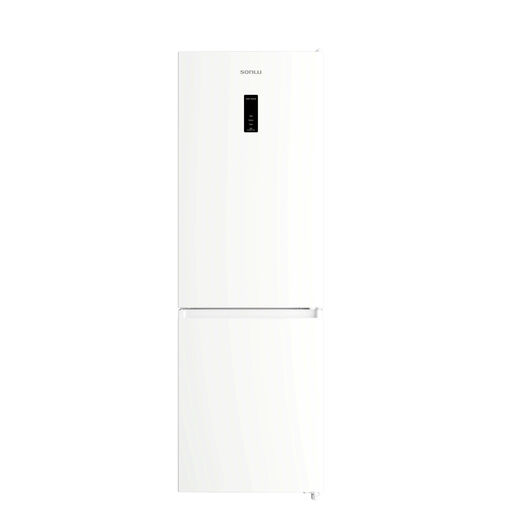 Image unavailable
Sonlu CD-350RW, 310 L, energy rating E
Worth considering if you want to store fresh and frozen food in one appliance and compare the usable capacity of each compartment separately.
Stated capacities: 211 L for the fridge and 99 L for the freezer. Listed features include a width of 60 cm, an inverter compressor and a frost-free system.
View on Joybuy
Frequently asked questions
How do I compare the electricity costs of two fridges?
Multiply each appliance’s stated annual energy consumption in kWh/year by the same electricity price in €/kWh. If you’re comparing two separate appliances, add their annual energy consumption together first. Compare setups that meet the same needs, and remember that this standard calculation doesn’t predict your actual bill, which depends on how the appliance is used.
Can a fridge store frozen food?
The style of the appliance alone doesn’t tell you: some models may have a small additional compartment, so check its purpose and specifications. If you regularly store frozen food, make sure the stated capacity meets your needs.
Does No Frost mean you never need to maintain the appliance?
No. No Frost reduces the build-up of ice, but food still needs to be properly covered and the inside cleaned regularly. Fan-assisted cooling can dry out uncovered food.
When might a fridge qualify for the repair bonus?
Fridges are among the appliances covered by the repair bonus outlined by the French Ministry of the Economy. The scheme requires, among other things, that the appliance is out of guarantee and repaired by an approved repairer. Poor maintenance or improper use may make you ineligible. Check whether the repair qualifies before agreeing to go ahead.
Will my old fridge be collected when I buy a new one?
Under the « 1 for 1 » scheme, the old appliance is collected free of charge or collection is arranged on the retailer’s behalf, subject to limits on the type and quantity of products sold or replaced, according to Service Public Entreprendre. Ask about the arrangements when you order: collection doesn’t mean that separate disconnection or installation services are free.


