What should you look for?
First, decide whether your current appliance can still keep food properly chilled. If you’re replacing it, work out how much space you need for fresh and frozen food before comparing energy labels.
| Criterion |
What to check |
Who is it for? |
| Annual energy use |
Compare the stated kWh/year and energy rating of appliances with similar capacities and formats. |
If my old fridge runs all the time, I want to know how much its replacement would use without overestimating my savings. Around 33% of consumers would make this a priority. |
| Capacity and freezing |
Check the usable capacity in litres for fresh and frozen food separately, based on your shopping habits. |
If I regularly store frozen food, having enough freezer space matters more than a large total capacity. Around 27% of consumers would prioritise the right balance between compartments. |
| Repair or replace |
Check the temperature maintained by your current appliance and get a diagnosis if you suspect a fault. |
If my fridge is getting old but still keeps food cold, I’d rather look into a repair before deciding to buy another one. Around 20% of consumers would put this decision first. |
| Food storage and installation |
Check the clearances specified in the manual, how the door opens and the model’s noise level. |
In a kitchen with limited space, I need to be able to open the door, take out the drawers and install the appliance properly while keeping food chilled. Around 20% of consumers would put these practical considerations first. |
When comparing two new appliances, the energy label and the European Commission’s EPREL database show information including annual energy use and compartment capacities. These figures describe the models as declared; they don’t measure how much your old fridge uses. A fridge may suit you if you don’t need much freezer space, while a fridge freezer combines fresh and frozen food storage in one appliance. If you’re considering a separate freezer, compare the two appliances you’re planning to buy with a fridge freezer that offers the same storage capacity, rather than assuming one format always uses less energy than the other.
Fridges available on Joybuy
These models include fridge freezers with different capacities, a side-by-side model and a built-in single-door fridge. Start by considering how much freezer space you need and how much room you have, then compare the energy use of your chosen model with similar appliances.
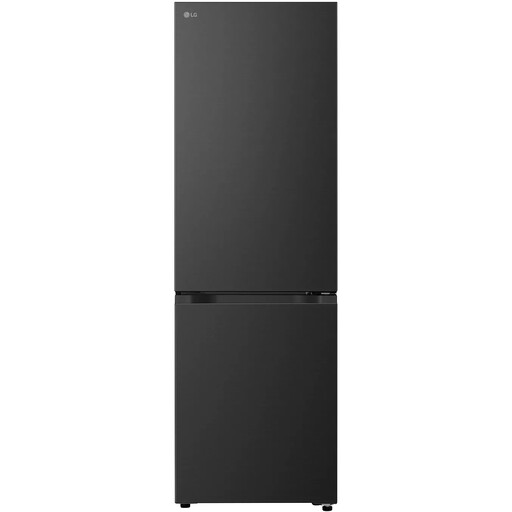 Image unavailable
LG GBBS312AEV, 333 L fridge freezer
Worth considering if you want fridge and freezer space in one 333 L appliance. The title lists No Frost and an A rating; check the capacity of each compartment and the kWh/year on the energy label for this model.
View on Joybuy
 Image unavailable
Candy CFQQ5T817EPS, 467 L multi-door fridge freezer
This four-door format is worth considering if your household will make good use of its generous fresh and frozen food storage. The title lists a capacity of 467 L, Total No Frost and an E rating. Measure the space and compare the kWh/year with models of a similar capacity.
View on Joybuy
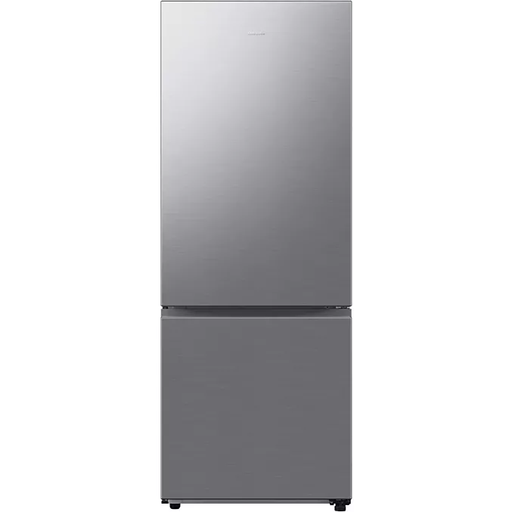 Image unavailable
Samsung RB53DG703DS9, 538 L grey fridge freezer
Worth considering if your household will use a large amount of fridge and freezer space: the title lists a capacity of 538 L. Before comparing energy use, check the label for the exact model, as the rating information given for this product is contradictory.
View on Joybuy
 Image unavailable
Sonlu CC-520WE, 444 L side-by-side fridge freezer
This format is worth considering if you want fresh and frozen food storage side by side in one appliance. The title lists a capacity of 444 L, frost-free operation, a noise level of 40 dB and an E rating. Check the capacity of each compartment and the dimensions before deciding whether it suits your household and kitchen.
View on Joybuy
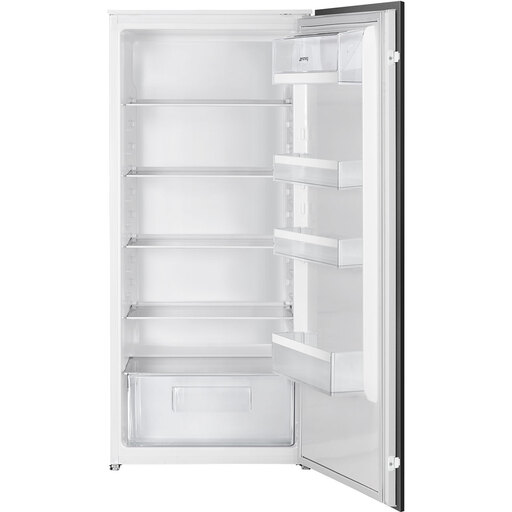 Image unavailable
SMEG S4L120E, built-in single-door fridge
Worth considering if you have a suitable housing unit and mainly need space for fresh food. The title lists an E rating, but the capacity information for this model varies. Confirm the usable capacity, the dimensions needed for fitting and your freezer arrangements before choosing.
View on Joybuy
Frequently asked questions
How do I compare fridges with different capacities?
Start by working out how much fridge and freezer space you need, then compare the kWh/year of appliances that meet those needs. The energy label and the European Commission’s EPREL database let you check these details for the exact model; the rating alone isn’t a substitute for this comparison.
What temperature should I monitor to keep food safely chilled?
Anses recommends a temperature of 4 °C in the coldest part of the fridge. Use the manual to find this area and store meat, fish and prepared dishes there in particular.
Does frost mean I need to replace my fridge?
No, frost alone isn’t a reason to replace your fridge. If your appliance needs defrosting, check the condition of the door seals and its ventilation too. If the problem persists or it no longer maintains the right temperature, get a diagnosis before deciding whether to repair or replace it.
How can I arrange for my old fridge to be collected?
Ask the seller about collection arrangements before your new appliance is delivered. ecosystem describes a ‘one-for-one’ take-back service when buying equivalent equipment, including online purchases. Check with the seller how collection from your home will be arranged.


