Households that store both fresh and frozen food
You prepare meals in advance, keep leftovers in the fridge and freeze portions too. The space available in each compartment matters more than the total capacity quoted.


If you mainly keep meals and leftovers chilled, start by comparing fridges. A fridge-freezer suits a mix of fresh food and frozen portions; a separate freezer is worth considering if frozen groceries take up most of your storage space, alongside a fridge. In every case, check the usable capacity of each compartment, the space available and annual energy consumption rather than choosing on total capacity alone.
You prepare meals in advance, keep leftovers in the fridge and freeze portions too. The space available in each compartment matters more than the total capacity quoted.
You regularly freeze portions or food bought in bulk. Look at freezer capacity, how easy it is to access your food and how much room you’ll need for a separate appliance.
In a compact kitchen or one that opens onto a living area, measure the space and check the door-opening direction, quoted noise level and energy consumption in kWh/year before opting for a larger capacity.
The right format depends first on what you want to keep chilled or frozen. UFC-Que Choisir distinguishes between these formats in its fridge guide; next, compare capacities and installation requirements model by model.
Consider it : if most of your prepared meals and leftovers go in the fridge and you freeze very little.
Keep in mind : a small freezer compartment, if there is one, won’t replace the capacity of a freezer suited to storing regular supplies.
Consider it : if you need both fridge and freezer compartments in one appliance.
Keep in mind : the split between compartments may not suit you if you store lots of frozen portions.
Consider it : if your frozen groceries need dedicated space, alongside a fridge.
Keep in mind : this appliance takes up extra space and runs continuously too, as ADEME points out.
| Factor | What to check | Who it matters to |
|---|---|---|
| Fresh and frozen storage balance | Compare the usable litres in each compartment with the space taken up by the containers you normally use. | I keep leftovers chilled and freeze a few meals too: I need space in the right place, not just a large appliance. Around 40 % of consumers prioritise this balance. |
| Freezing capacity | Check the freezer’s usable capacity and the layout of its drawers or baskets. | My bulk buys and prepared portions quickly fill the freezer: I need to be able to store them and find them again. This capacity is the top priority for around 30 % of consumers. |
| Installation and everyday use | Check the dimensions and clearance needed, the noise level in dB(A) and the kWh/year stated for the model. | My kitchen has limited space or opens onto the living room: size, noise and energy consumption matter before I add more capacity. These constraints come first for around 30 % of consumers. |
A fridge-freezer may offer plenty of litres overall, but too little space in the compartment where you plan to store your portions.
Work out what you usually keep chilled and frozen, then compare the usable capacity of each compartment separately, along with the storage layout.
The permitted ambient temperature depends on the model: choosing a “freezer” doesn’t automatically mean it will work in a cold room.
If you plan to keep it in a cellar, garage or outbuilding, check the permitted ambient temperature range for the exact model.
The energy rating alone doesn’t show how much appliances of different sizes and with different features consume. The DGCCRF says that the energy label also displays annual consumption in kWh.
Compare the kWh/year figures for appliances with similar formats and usable capacities, then factor in how you use yours.
According to Anses, the coldest part of the fridge should be between 0 °C and 4 °C. A very full appliance or frequent door openings can make it harder to maintain this temperature.
Check the coldest spot after installation and leave room for air to circulate between food items.
Bosch offers freestanding and integrated fridge-freezers worth comparing if you’re looking for one appliance to keep food fresh and frozen.
Liebherr’s freezer range includes separate freestanding and built-in appliances.
Whirlpool offers fridge-freezers as well as chest and upright freezers to suit different storage needs.
These Joybuy products let you compare several fridge-freezers for storing both fresh and frozen food, as well as an upright freezer for when frozen groceries need more space. Check the capacity split and make sure the appliance will fit in your home before choosing.
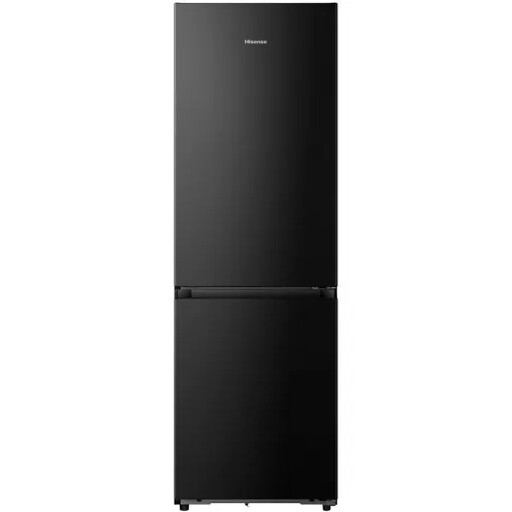 Image unavailable
A fridge-freezer to consider if you want to keep fresh food and frozen portions in one appliance.
Quoted total capacity : 330 L. Compare the capacity of each compartment and check the clearance needed for installation.
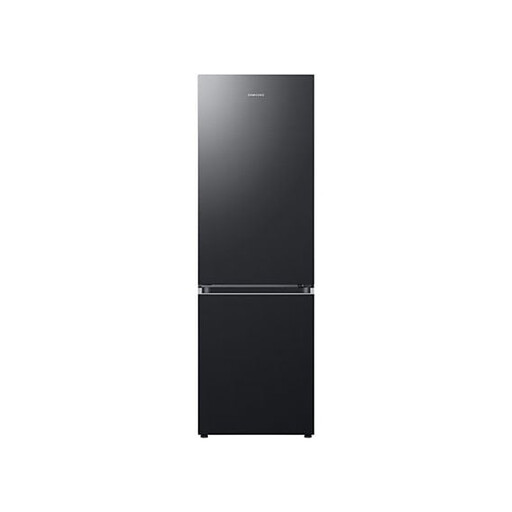 Image unavailable
A versatile format for keeping fresh food and frozen portions in the same appliance.
Quoted total capacity : 344 L; energy rating D. Check the kWh/year figure on the energy label and make sure you have the required clearance.
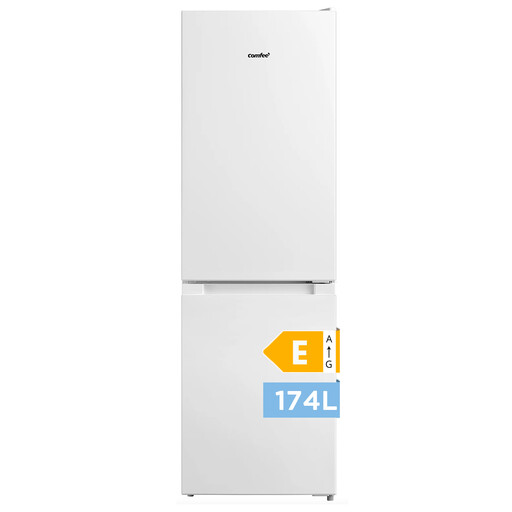 Image unavailable
A fridge-freezer to consider if you’re looking for a shorter appliance that can store both fresh food and frozen portions.
Quoted height : 150 cm; quoted noise level : 39 dB. Check that the freezer compartment suits the portions you usually store and compare the kWh/year figure on the energy label.
 Image unavailable
A separate freezer to consider if frozen portions and groceries are your main storage need.
Quoted capacity : 161 L, with three freezer drawers and No Frost listed in the product name. Check the dimensions, kWh/year and permitted ambient temperature range before deciding where to put it.
 Image unavailable
A model to consider if you need plenty of capacity for both fresh food and frozen groceries.
Quoted capacities : 333 L for the fridge and 192 L for the freezer; quoted noise level : 37 dB. Measure the space and check the clearances required, as well as the kWh/year figure.
According to Anses, the coldest part of the fridge should be between 0 °C and 4 °C. Check it especially if the room is warm, the door is opened frequently or the appliance is very full.
Compare their annual consumption in kWh for similar functions and usable capacities, rather than relying on the energy rating alone. The DGCCRF says this figure appears on the energy label for the relevant new appliances.
Yes, provided the garage’s ambient temperature stays within the range permitted for the model you choose; this isn’t determined by whether it’s an upright or chest freezer. Check the manual and installation requirements for the exact model before buying.
No: your choice also depends on the capacity you need, the storage layout and the appliance’s energy consumption. Bosch and Liebherr describe No Frost on some of their models as a feature that reduces frost-related maintenance; check whether it’s included and how it works on the model you’re considering.