People who prepare meals for a few days
You want to keep some portions handy in the fridge and freeze the rest. Compare the net capacity of both compartments: the total capacity doesn’t tell you how much space is available for each purpose.


Start by considering how much space you need for portions to keep chilled and those you plan to freeze. A fridge-freezer combines both uses, while a dedicated freezer is better suited to larger frozen stocks. Compare the net capacity of each compartment and the appliance dimensions before deciding. The space available in your kitchen matters just as much as the stated capacity.
You want to keep some portions handy in the fridge and freeze the rest. Compare the net capacity of both compartments: the total capacity doesn’t tell you how much space is available for each purpose.
You regularly build up a stock of meals or large containers. A dedicated freezer could suit your needs if you have a suitable space for it and can easily reach the food inside.
Your first priority is finding an appliance that fits the available space. Measure the area, then check the freezer compartment capacity: a compact appliance won’t necessarily meet your needs if you require plenty of storage.
When choosing an appliance for storing make-ahead meals, start by working out how much space you need for chilled and frozen portions. Then check how easy it is to access your food and whether you have enough room for installation.
Consider this if: you want one appliance for meals to enjoy over the next few days and a supply of frozen portions.
Bear in mind: the space allocated to the fridge and freezer is fixed for each model. Check that both compartments are large enough for your needs.
Consider this if: you want a dedicated freezer with portions organised in drawers that are easy to access from the front.
Bear in mind: you’ll need to allow for the appliance’s height and enough room to open its door.
Consider this if: you store lots of batches or large containers and have dedicated floor space available.
Bear in mind: portions at the bottom can take more organising to make them easy to find.
Consider this if: space is very limited and you’ll be keeping most meals chilled.
Bear in mind: check the actual capacity of the freezer compartment on your chosen model before planning to store several portions in it.
| Feature | What to check | Who is it for? |
|---|---|---|
| Chilled and frozen storage | Compare the net capacity of each compartment separately and allow enough room to avoid overfilling the fridge. | If I cook for the next few days and freeze a few portions too, I want each compartment to suit how I use it; around 36% of consumers would prioritise this balance. |
| Freezer capacity | Check the freezer’s net capacity and whether your containers will fit inside. | If I’m stocking up before guests arrive or between cooking sessions, I prioritise space for frozen portions; this would be the main consideration for around 29% of consumers. |
| Access to portions | Look at the drawers or baskets and consider how easy it is to reach food stored at the bottom. | When I freeze different meals, I want to find a portion without moving the whole stock; around 21% of consumers would put easy access first. |
| Space and energy use | Measure the space and clearances specified in the manual, then check the annual energy consumption on the energy label. | In a kitchen with limited space, I need to make sure the appliance fits before looking for extra capacity; this would be the top constraint for around 14% of consumers. |
Containers can help you separate and label portions, but they don’t increase the appliance’s storage capacity. When comparing models, the EU energy label shows details including energy consumption, storage volumes and noise levels. Compare these with the appliance dimensions and how you plan to use it.
Two appliances with a similar total capacity may allocate the space differently between the fridge and freezer. This affects how many portions you can set aside for each purpose.
Compare the net litres of each compartment and leave enough room for air to circulate in the fridge.
A garage or cellar may fall outside the ambient temperature range the appliance is designed for. The specifications given for some Beko or Liebherr models don’t apply to every model in their ranges.
Check the climate class and the manual for the exact model you’re considering, and make sure it’s suitable for the intended location.
NoFrost and LowFrost don’t mean the same thing. For example, Bosch describes the KGV36VBEAS as a LowFrost model, while Liebherr offers NoFrost on some freezers.
Check the defrosting system for the relevant compartment in the product details for your chosen model.
According to Anses, poor storage or a break in the cold chain can encourage bacteria to grow. Freezing won’t make up for food having been stored incorrectly beforehand.
Follow the storage instructions for your meals. If you plan to freeze them, do so as soon as they’re prepared rather than waiting until the end of their storage period.
Bosch’s range of fridge-freezers combines chilled and frozen storage in a freestanding upright appliance.
Liebherr’s range of freestanding upright freezers is aimed at households looking for dedicated freezer capacity in a vertical design.
Beko’s range of chest freezers may suit households with a dedicated space for storing batches or bulky containers.
The range includes small fridges designed in particular for kitchens with limited height.
These fridge-freezers combine chilled and frozen storage in one appliance. For make-ahead meals, start by choosing a capacity split that suits your portions, then check whether the appliance will fit in your kitchen.
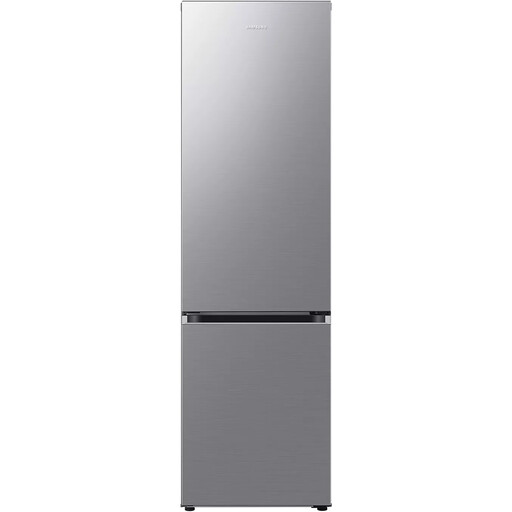 Image unavailable
For keeping meals chilled while freezing some portions in the same appliance. Stated total capacity: 390 l; energy efficiency class C. Check the manual for the clearances required for installation.
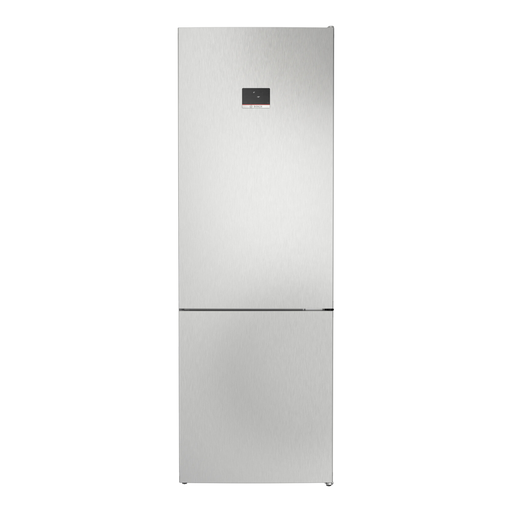 Image unavailable
Worth considering if you’re looking for a fridge-freezer to split your meals between chilled and frozen storage. Stated total capacity: 440 l; energy efficiency class D. Check the freezer’s defrosting system, the route into your kitchen and the installation clearances.
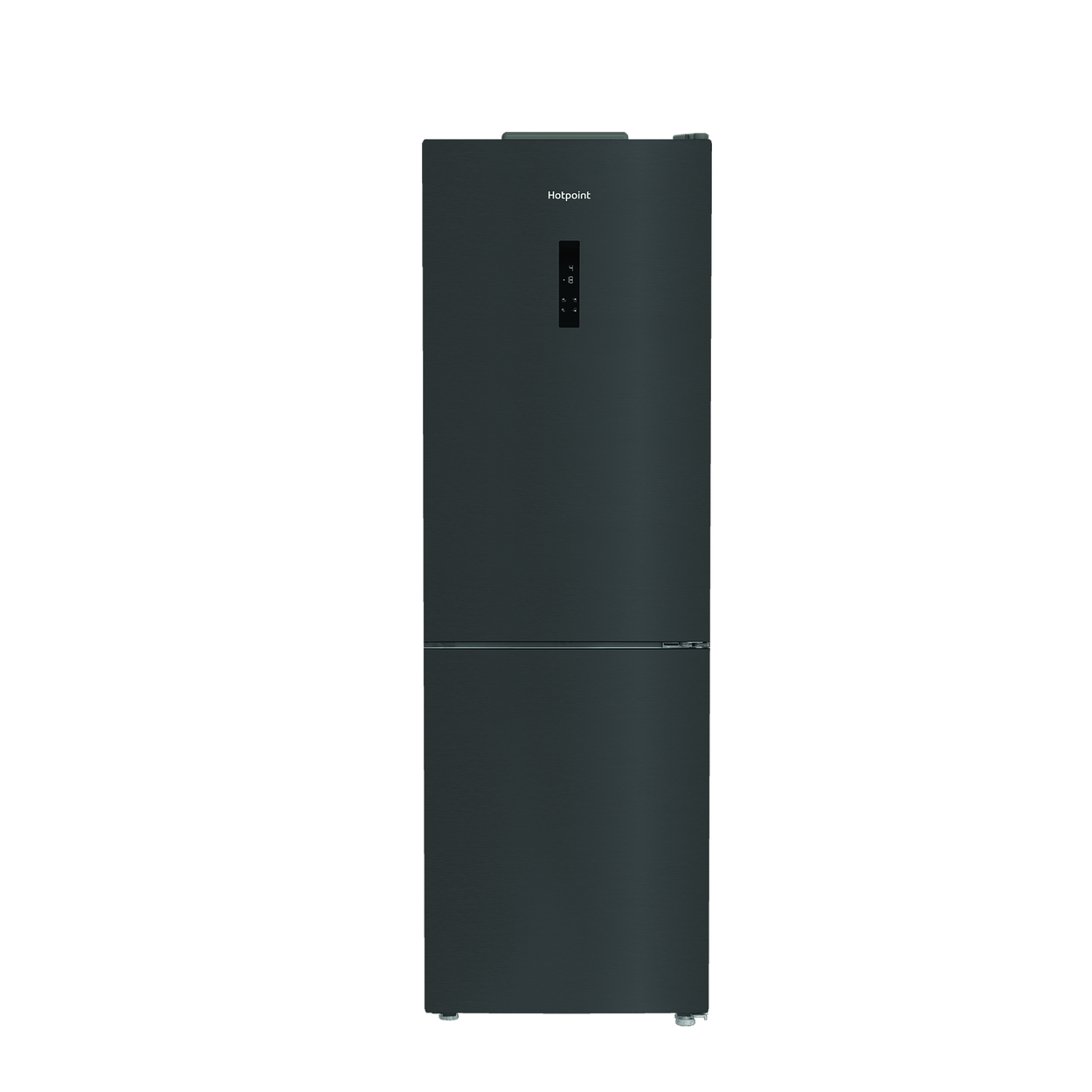 Image unavailable
For keeping some portions chilled and freezing others in a 316 l fridge-freezer. The model name indicates Dual No Frost and energy efficiency class D. Measure the space and check the clearances specified in the manual.
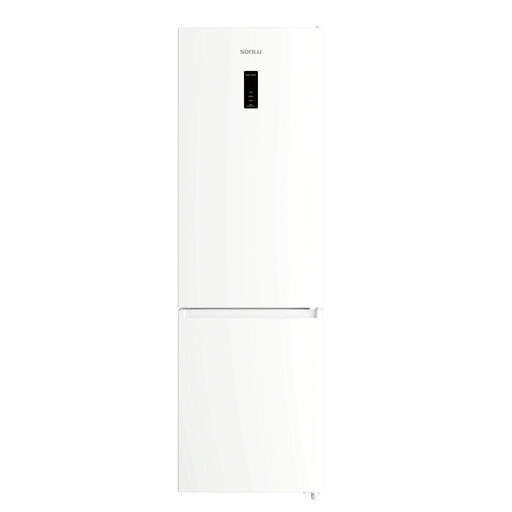 Image unavailable
For splitting meals between a 252 l fridge and a 103 l freezer. Stated width: 60 cm; reversible door and energy efficiency class E. Before choosing a spot for it, also check the height, depth, clearances and annual energy consumption.
 Image unavailable
Worth considering if a width of 54 cm suits your kitchen and you need 153 l of refrigeration capacity and 74 l of freezer capacity. The model has a reversible door and energy efficiency class E. Check the height, depth, clearances and annual energy consumption.
Anses recommends keeping perishable foods, including cooked meals, in the coldest part of the fridge at 4 °C. Check your manual to find this area and avoid overfilling the appliance so air can circulate.
No. Anses recommends freezing food as soon as you buy or prepare it, rather than waiting until the use-by date is approaching. Freezing won’t make a meal safe if it has already been stored incorrectly.
According to Anses, you can defrost them in the fridge, in the microwave using the defrost setting, or quickly while cooking or reheating them. Eat defrosted food promptly, within three days at the latest, and don’t refreeze it.
For appliances covered by the EU energy label, compare details such as energy consumption, storage volumes and noise levels, taking into account the format and capacity you need. The European Commission says the label’s QR code links to detailed model information in EPREL.