For your weekly shop, first consider how much space you need for fresh food and frozen items, then compare the usable capacity of each compartment. A fridge freezer can meet shared storage needs; if prepared portions and frozen food regularly overflow, a separate freezer may be a better fit, provided you have room for a second appliance that runs continuously. Also check the installation dimensions and the stated annual energy consumption.
Who is this choice for?
Households that store both fresh and frozen food
If your shop includes fresh food, leftovers and a moderate stock of frozen items, compare the usable capacity of both compartments rather than just the total capacity. Bosch and Whirlpool publish different compartment splits across their fridge freezers.
People who freeze portions
If you prepare meals in advance or regularly freeze portions, freezer capacity and drawer layout matter particularly. Consider a separate freezer if the compartment in a fridge freezer is too small for your usual stock.
Households with specific kitchen space requirements
If you have an alcove or a narrow space, check the dimensions, installation type and clearance requirements first. Bosch and Hisense product specifications show that refrigeration appliances can vary in size and installation requirements.
What should you look for?
Your first decision is how much space to allocate to fresh food and freezing. This will determine whether one appliance is enough or whether a separate freezer is better suited to your habits.
Fridge freezer
Consider this if: your weekly shop regularly fills both the fridge and freezer compartments.
The trade-off: a large total capacity doesn’t guarantee that each compartment has all the space you need.
Smaller freezer compartment
Consider this if: you mainly buy fresh food and only freeze small quantities.
The trade-off: the compartment can quickly limit how many prepared portions you can store. For example, the built-in Bosch KIV875SE0 fridge freezer offers 200 L of fridge capacity and 70 L of freezer capacity.
Separate freezer
Consider this if: your usual stock of prepared meals and frozen food consistently exceeds the space available in a fridge freezer.
The trade-off: you’ll need space for an additional appliance and to account for its continuous energy use. The Whirlpool upright freezers reviewed offer 286 L or 404 L of freezer capacity.
| Factor |
What to check |
What consumers say |
| Capacity split |
Usable fridge and freezer capacity, separately. |
I want to store my fresh shopping without sacrificing space for frozen food. Around 36% of consumers would put this balance at the top of their list. |
| Freezer capacity |
Usable freezer capacity and drawer layout; freezing capacity in kg/24 h if you often freeze large quantities at once. |
When I prepare several meals in advance, I need lasting space for portions and frozen food. For around 29% of consumers, this would be their top priority. |
| Size |
Height, width, depth and installation type; niche dimensions and required clearances. |
My available space is limited: an appliance with a generous capacity won’t be any use if it can’t be installed. Around 21% of consumers would put kitchen compatibility first. |
| Everyday use |
Stated energy consumption in kWh/year when comparing similar appliances, noise and the defrosting system on the model you choose. |
Since an appliance runs continuously, I look at its energy consumption and how much time it takes to maintain. Around 14% of consumers would make these their top priority. |
Mistakes to avoid
-
Looking only at total capacity
Two fridge freezers with different total capacities can also divide their space very differently between fresh and frozen food.
Work out how much you usually store in each compartment, then compare it with the stated usable capacity of both compartments.
-
Measuring only the width
The height, depth, door swing or ventilation requirements could prevent you from installing an appliance, even if it’s narrow enough.
Measure the space and the route into your kitchen, then check the model’s manual for niche dimensions and required clearances.
-
Adding a freezer to solve every storage problem
A separate freezer gives you more freezer capacity, not more space for your weekly fresh food. As ADEME points out, refrigeration appliances run continuously.
First work out which compartment is overflowing. If it’s the freezer, compare the extra capacity with the space the appliance will take up and its energy consumption in kWh/year.
-
Overlooking the temperature after purchase
Available capacity alone isn’t enough to keep perishable food safe. Anses recommends a temperature between 0 °C and 4 °C at the coldest point in the fridge, where you should store meat, fish and cooked dishes, among other foods.
Arrange food so this area is easy to access, and check the actual temperature inside your fridge.
Brands to consider for these formats
Bosch
Freestanding and built-in fridge freezers to consider based on capacity split and available space.
- Bosch lists 218 L of fridge capacity and 103 L of freezer capacity for the KGN362WDF, compared with 200 L and 70 L for the built-in KIV875SE0.
- The KGN362WDF is listed as No Frost and the KIV875SE0 as LowFrost. Check the features of the specific model you choose.
Whirlpool
Models to compare if you’re deciding between a large fridge freezer and a separate freezer.
- Whirlpool lists a total capacity of 462 L for the WB70E973W fridge freezer and freezer capacities of 286 L or 404 L for two upright models in its range.
- Capacity, energy consumption and whether Total No Frost is included depend on the specific model.
Beko
Some fridge freezers in the range have a flexible compartment for when your need for fresh food varies.
- According to Beko, on models with Multizone, you can convert the freezer compartment into extra fridge space.
- Don’t assume this feature is available across the whole range. Also check the capacity and usage conditions for the model you choose.
Hisense
The freestanding RB5K330GSFC fridge freezer is a useful example of a size to compare with the space available in a smaller kitchen.
- Hisense lists a capacity of 330 L, a width of 595 mm, a height of 1856 mm and an energy rating of C for this model.
- These specifications may not apply to other Hisense fridge freezers. Also check the depth and installation clearances.
Fridge freezers on Joybuy
These appliances combine a fridge compartment and a freezer compartment for your weekly shop. Compare their size and the space available for each type of food. If your main priority is plenty of room for frozen food, also consider a separate freezer.
 Image unavailable
Samsung RF50C530EB1 multi-door, 495 L, black
Worth considering if you want to store fresh and frozen food in one multi-door appliance. The title lists a total capacity of 495 L and an energy rating of E.
Before choosing, compare the capacity of each compartment with your shopping needs and check the installation dimensions. If a water and ice dispenser is important to you, check its connection requirements.
View on Joybuy
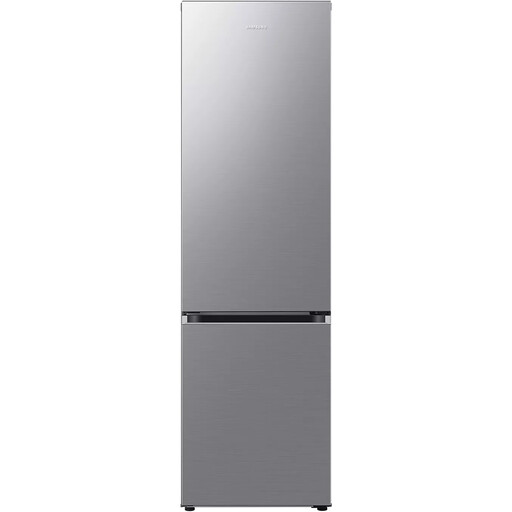 Image unavailable
Samsung RB38C603CS9, 390 L, silver
If your shopping includes both fresh and frozen food, check whether this fridge freezer’s capacity split suits your habits. The title lists a total capacity of 390 L and an energy rating of C.
Check the height, depth and door clearance in your kitchen. Consult the energy label to compare its annual energy consumption with that of similar appliances.
View on Joybuy
 Image unavailable
Candy CFQQ5T817EPS, four-door, 467 L
If you store both fresh food and portions to freeze, compare the capacity of each compartment separately. The title lists four doors, a total capacity of 467 L, Total No Frost and an energy rating of E.
Check that the appliance and its doors will fit through to their intended position, then consult the installation clearances specified for this model.
View on Joybuy
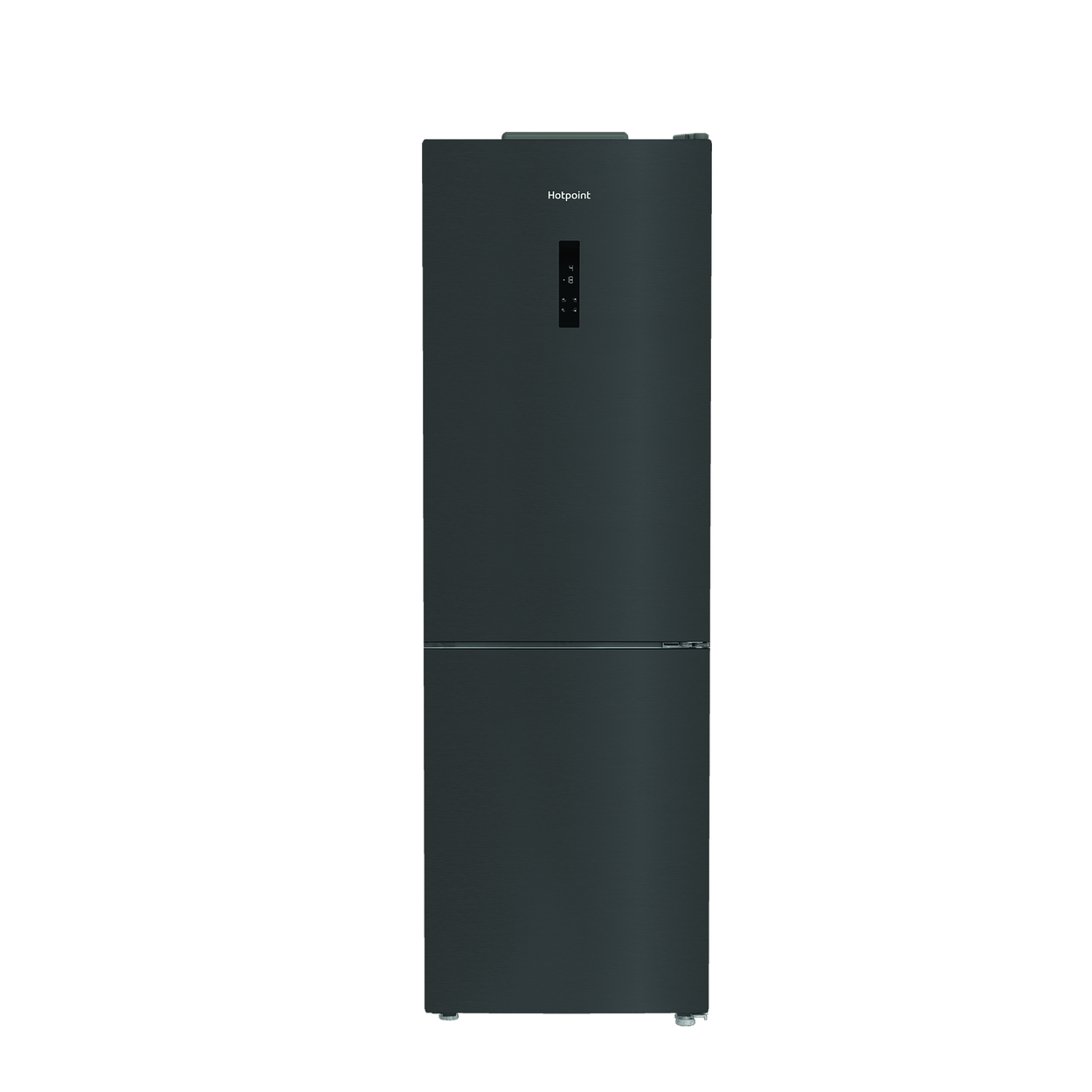 Image unavailable
Hotpoint HPK26363XBR5E, 316 L, dark stainless steel
To organise fresh food and a stock of frozen items in one fridge freezer, compare the capacity of its two compartments with what you usually store. The title lists a total capacity of 316 L, a dual No Frost system and an energy rating of D.
Allow for the specified ventilation clearances, particularly at the back and sides. If noise is a factor in your decision, check the model’s stated noise level.
View on Joybuy
 Image unavailable
AEG NSC6M18FES built-in, 249 L, white
Worth considering if your kitchen is designed for a built-in fridge freezer and its fridge-to-freezer capacity split suits you. The title lists a total capacity of 249 L, TwinTech No Frost and an energy rating of E.
Check the usable capacity of each compartment in the model specifications, along with the niche dimensions, required clearances and annual energy consumption before comparing appliances.
View on Joybuy
Frequently asked questions
What should you compare on a fridge or freezer energy label?
Compare the stated annual energy consumption in kWh, compartment capacities and noise levels across appliances of a similar type and capacity. The DGCCRF describes the energy label as a comparison tool; an energy rating alone won’t tell you how much room there is for your shopping.
Where should you store cooked dishes and perishable food in the fridge?
Store them in the coldest part of the fridge. Anses recommends a temperature between 0 °C and 4 °C at the coldest point and lists meat, fish and cooked dishes among the foods to keep there.
When should you consider a separate freezer instead of a fridge freezer?
Consider one if your prepared portions and frozen food regularly exceed the capacity of the fridge freezer you’re planning to buy. Compare the usable freezer capacity with your usual stock, then check that you have space to install and run a second appliance.
Does No Frost mean there’s no maintenance at all?
No. Check exactly which compartment has this feature, and don’t confuse it with LowFrost. For example, Bosch lists the KGN362WDF as No Frost and the KIV875SE0 as LowFrost. These features don’t remove the need to clean the appliance and check its temperature.


