What should you compare before choosing?
Larder fridge
Consider it: if you mainly store fresh food and only freeze a small amount, or have another freezer elsewhere.
The trade-off: check whether it has a freezer compartment; the Bosch KSN36AICM featured by Bosch does not.
Fridge-freezer
Consider it: if you use fresh food every day and also keep frozen food in the same appliance.
The trade-off: the total capacity is split between the two uses, so make sure the freezer compartment is large enough for your frozen food.
Separate freezer
Consider it: if you regularly stock up on frozen food and already have a fridge.
The trade-off: it needs a second space and adds another appliance that runs continuously, as ADEME points out.
Once you’ve chosen a format, check the specifications of the exact model against your usual shopping and the space you have available.
| Criteria |
What to check |
Think about your needs |
| Usable capacity |
Compare the fridge and freezer capacities in litres separately. For a freezer, also look at how the drawers are arranged and, if you freeze food often, the stated freezing capacity. |
I want enough room for my usual shopping, rather than choosing based on the total capacity alone. The capacity guidelines published by UFC-Que Choisir should be adjusted to how often you shop and how much frozen food you store. |
| Energy consumption |
Compare the stated annual energy consumption in kWh/year and the energy rating of appliances with a suitable type and capacity for the same use. |
An appliance that stays on all the time is worth comparing over the long term. ADEME notes that a larger size and unnecessary extra features can increase its energy consumption. |
| Space and installation |
Measure the height, width and depth, then check the clearances specified in the manual. For an integrated model, also check the niche dimensions and hinge system. |
The appliance needs to fit through to my kitchen, fit in the intended space and leave enough room for its doors or drawers to open. |
| Noise and use |
Compare the stated noise level in dB(A). Depending on how you use the appliance, check for an alarm and any information about keeping food cold or returning to temperature. |
In an open-plan kitchen, I pay attention to noise. If the doors are opened frequently or I load a lot of shopping at once, I also look for features that are useful in these situations. |
Fridge-freezer and freezer options on Joybuy
These models include fridge-freezers for storing fresh and frozen food in one appliance, followed by a separate freezer to consider if you already have a fridge.
 Image unavailable
Candy CFQQ5T817EPS, 467 L four-door fridge-freezer
A fridge-freezer that lets you divide your shopping between fresh and frozen food. The model name indicates a capacity of 467 L, Total No Frost and an E energy rating. Check that you have room for its four-door design.
View on Joybuy
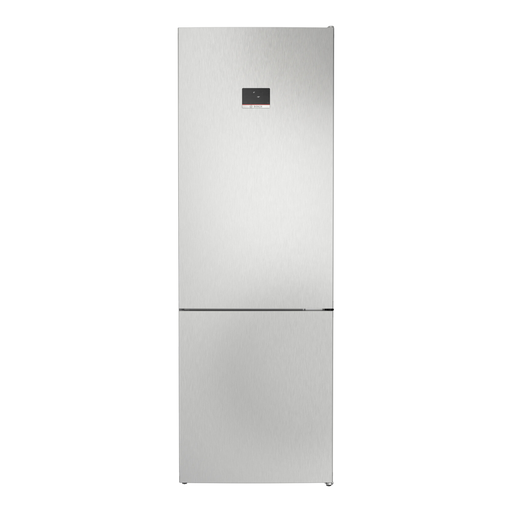 Image unavailable
Bosch KGN497LDF, 440 L fridge-freezer
If you store both fresh and frozen food, check that the capacity split between the two compartments suits your shopping habits. This model is listed at 440 L with a D energy rating. Measure the access route and the space where it will go before ordering, too.
View on Joybuy
 Image unavailable
LG GBBSJ1CCSW, 333 L fridge-freezer
This fridge-freezer offers storage for fresh and frozen food in one appliance. Its model name indicates a capacity of 333 L and a C energy rating. Check how the capacity is split before deciding whether each compartment is large enough for your household.
View on Joybuy
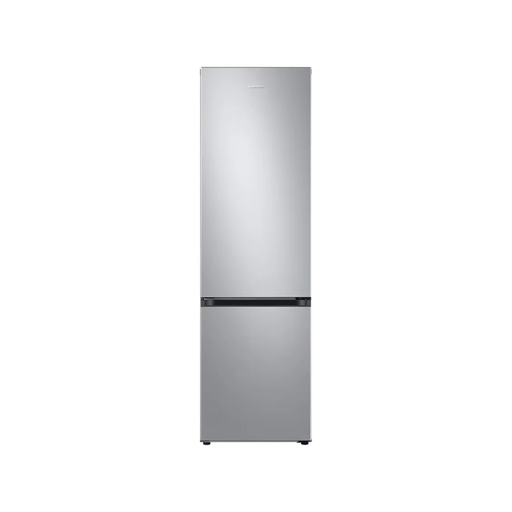 Image unavailable
Samsung RB38C604DSA, 390 L fridge-freezer
If your shopping includes both fresh and frozen food, compare the usable capacity of each compartment rather than focusing only on the stated 390 L total. This model has a D energy rating. Check its full dimensions and installation clearances.
View on Joybuy
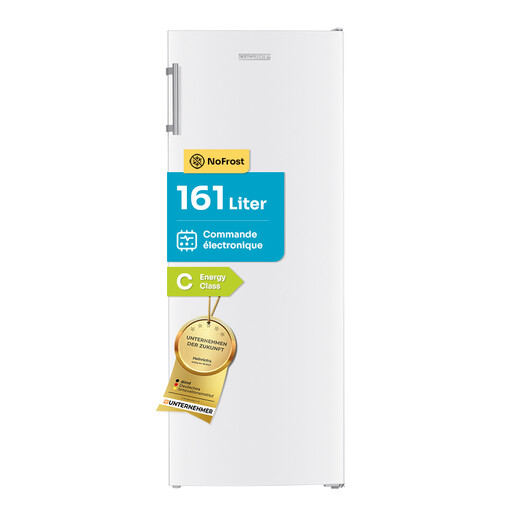 Image unavailable
Heinrich´s, 161 L No Frost freezer
This separate freezer can complement a fridge if you need extra room for frozen food. Its model name indicates a capacity of 161 L, No Frost and a C energy rating. Check its dimensions, annual energy consumption and noise level before deciding where to put it.
View on Joybuy
Frequently asked questions
Which format should I choose if I mainly buy fresh food?
A larder fridge may suit you if you freeze very little or have another way to store frozen food. UFC-Que Choisir suggests allowing 100 to 150 L for one person, then around 50 L for each additional person. Adjust this to how often you shop and how much you buy.
Can a fridge-freezer replace a separate freezer?
A fridge-freezer suits everyday use when you need space for both fresh and frozen food, but you should assess its freezer compartment separately. If you stock up on large quantities of frozen food, a separate freezer can complement a fridge, provided you have room for a second appliance.
Which figures on the energy label should I compare?
Compare the energy rating and stated annual consumption in kWh/year for appliances with a type and capacity suited to your needs. Also check the capacity of each compartment and the noise level of the exact model. The energy rating alone doesn’t tell you about its capacity or installation requirements.
How can I tell if an integrated fridge-freezer will fit in my kitchen?
Check the niche dimensions, hinge system and installation requirements specified for the exact model, as well as the delivery route. For example, Electrolux specifies a niche of 1894 × 560 × 550 mm for the ENT6ME19S. These measurements won’t apply to another appliance.
Does noise matter in an open-plan kitchen?
Yes. Compare the stated noise level in dB(A) for appliances that suit your needs. UFC-Que Choisir gives less than 40 dBA as a guideline for fridges described as among the quietest. Always check the figure for the model you’re considering.


