One person or a couple in a small kitchen
A compact or slimline model could be suitable if you don’t store much food, particularly frozen food. Check the depth, door swing and clearances specified in the manual too.


When moving in, start by measuring the space and the delivery route, then choose fridge and freezer capacity to suit your shopping habits. A compact model works for limited storage, a fridge-only model prioritises fresh food, while a fridge-freezer keeps fresh and frozen food separate. A large multi-door model is best if you genuinely need the extra storage and have enough room. Then compare similarly sized models by their annual energy consumption and stated noise level.
A compact or slimline model could be suitable if you don’t store much food, particularly frozen food. Check the depth, door swing and clearances specified in the manual too.
A fridge-freezer gives you separate compartments for fresh and frozen food. Compare their individual capacities: the total number of litres doesn’t tell you how the space is divided.
A multi-door or large fridge may be worth considering if you have enough food to store. Measure your kitchen and the delivery route, then check the energy consumption of the model you’re considering.
First rule out appliances that can’t be installed properly, then compare how the remaining suitable models divide up their capacity and what features they offer.
| Factor | What to check | Think about your needs |
|---|---|---|
| Installation | Measure the width, height and depth of the space, as well as the delivery route. Check the door swing and the clearances specified in the manual; for a built-in model, check the housing dimensions too. | In my small kitchen, the appliance needs to fit, the door must open, and it must be possible to install it in line with the manual. |
| Fresh and frozen capacity | Compare the capacity of each compartment, not just the total. Also check whether the drawers and shelves will fit the containers you usually use. | If I shop once a week or keep frozen food, I need enough room in both compartments. Que Choisir suggests 100 to 150 L as a general guide for one person, which you can adjust to suit your household’s habits. |
| Energy | Check the A to G energy rating and kWh/year alongside the model’s capacities. Ideally, compare similar formats and capacities; the European Commission’s EPREL database lets you look up information for the exact model. | I want to understand the stated energy consumption without choosing based on the rating letter alone, especially if I’m deciding between two very different sizes. |
| Noise | Compare the stated noise level in dB(A) and the noise class of the models you’re considering. Think about where the appliance will go in your home. | In an open-plan kitchen and living room, I’ll check the stated noise level before choosing a model. |
| Cooling system and maintenance | Check the model’s cooling system and defrosting instructions. With fan-assisted cooling, cover food or use suitable containers, as Gifam recommends. | If I use the freezer often, I want to know what maintenance it needs and how to store food day to day. |
An appliance may fit between two units but still not have enough room for the door to open or for the model’s ventilation requirements to be met.
Compare your measurements with the installation diagram and the overall dimensions in the manual. Check the route through to the kitchen too.
Two appliances with the same total capacity may divide the space differently between fresh and frozen food.
Work out separately how much you plan to keep in each compartment, then check their individual capacities on the model’s product page.
The European Commission states that fridge energy labels moved to a rescaled A to G rating system on 1 March 2021. An old A++ rating therefore can’t be compared directly with a letter on the new scale.
To compare current models, check their A to G ratings, energy consumption in kWh/year and individual capacities.
A multi-door or American-style fridge can be difficult to get through the delivery route and may not leave enough room to open its doors in the kitchen. Water and ice features also mean checking the model’s installation and maintenance requirements.
Check its dimensions and weight, the route to its final position, and the instructions for any features you plan to use.
These brands offer points of comparison across different formats. Always check the dimensions and features mentioned against the specific model you’re considering.
Worth considering if you’re looking for a freestanding or built-in appliance for a kitchen with limited space.
Worth comparing if you’re choosing between a fridge-freezer and a larger-capacity appliance.
Worth a look for tabletop models suited to a small kitchen.
Worth considering if you’re comparing freestanding and built-in fridges.
Worth comparing if you’re considering a multi-door model and have enough space for it.
This selection includes fridge-freezers with separate compartments for fresh and frozen food, a multi-door model for more storage, and a compact option for limited space. Check the model’s dimensions and installation instructions before choosing one for your home.
 Image unavailable
Worth considering if you want fresh and frozen food in one appliance. The model name indicates an E rating and a Total No Frost system; check the manual for the clearances needed for installation and to open the doors.
 Image unavailable
This multi-door model is aimed at households that need plenty of storage and have a suitable space for it. Its product title indicates an E rating and a Total No Frost system; check the delivery route, whether all four doors can open, and the required clearances.
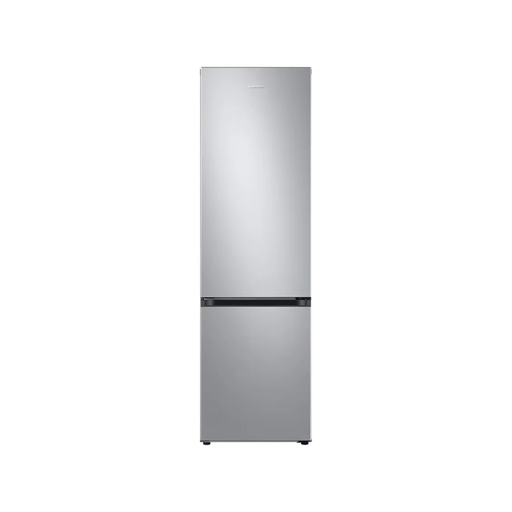 Image unavailable
Worth considering if you need separate compartments for fresh and frozen food. This is a freestanding model with a D rating; check that its height, door swing and the clearances specified in the manual will work in your kitchen.
 Image unavailable
Its stated width of 54 cm is worth considering if your kitchen is narrow but you still need a separate freezer. This 176 cm-high model is labelled Low Frost; check its defrosting requirements and installation clearances in the manual.
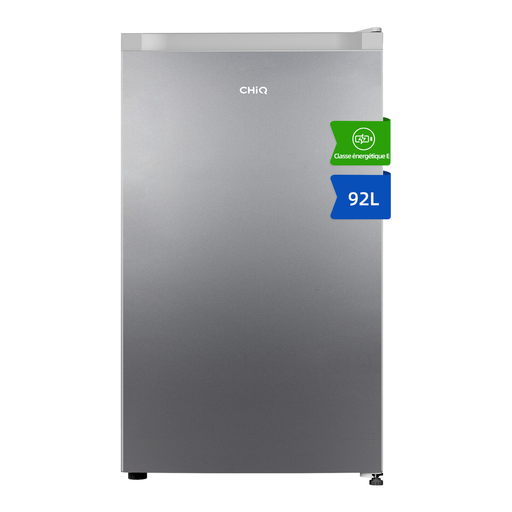 Image unavailable
Worth considering for a small space and limited storage needs. Its product title mentions an E rating and a compact freezer compartment; if you regularly store frozen food, check the compartment’s capacity as well as the appliance’s overall dimensions.
Measure the width, height and depth of the space, as well as the route through to the kitchen. Check the space needed for the door to open and the ventilation clearances listed in the manual; for a built-in model, also check the housing dimensions and door fixing requirements.
Start with your shopping habits and the separate capacities for fresh and frozen food. Que Choisir suggests 100 to 150 L as a general guide, not a requirement, for one person, plus 50 L for each additional person. Adjust this guide to suit what your household actually needs to store.
Compare the A to G rating and kWh/year, taking the appliances’ capacities into account. The European Commission says the rescaled fridge label has applied since 1 March 2021, so an old A++ rating isn’t directly comparable with a current rating. You can look up information for the exact model in the public EPREL database.
Not necessarily: choose a larger capacity if your shopping and storage needs justify it, and if the appliance can be delivered and installed in your home. Que Choisir says American-style fridges use more energy than standard fridges, so compare kWh/year, dimensions and the balance between fresh and frozen capacity too.