Priority criteria before replacing an appliance
Priority depends first on whether the appliance runs continuously or how many cycles it completes, followed by the genuinely useful size and the information available about its lifespan.
| Priority |
What to check |
Your needs |
| Continuous or frequent use |
Compare kWh/year for refrigeration appliances; for appliances with cycles, note how many cycles you actually run. Take the age, faults and condition of your current appliance into account. |
I want to look first at equipment that runs all year round or is used very frequently, rather than an occasional-use appliance. |
| Unit of comparison |
For a fridge or freezer, compare similar capacities in kWh/year. For a washing machine or dishwasher, use kWh/100 cycles and litres per cycle for the reference programme. |
I want to relate the label data to my usual usage, without treating a laboratory figure as guaranteed savings. |
| Suitable capacity |
Check the refrigeration volume, laundry capacity in kg or place settings. Also check the noise level if the appliance is near a living area. |
My appliance must match my storage or washing needs; excessive capacity and unnecessary features can reduce the benefit of replacing it. |
| Lifespan |
For a washing machine, check the durability index where applicable. For a dishwasher, look at the repairability index, along with the model’s spare-parts and after-sales service terms. |
I want to consider reliability and whether the appliance can be repaired, not just its stated energy consumption. |
Brand guidance
There is no content to display in this section.
Joybuy products
These Joybuy options cover replacing a washing machine, fridge freezer, dishwasher or freezer as part of this decision.
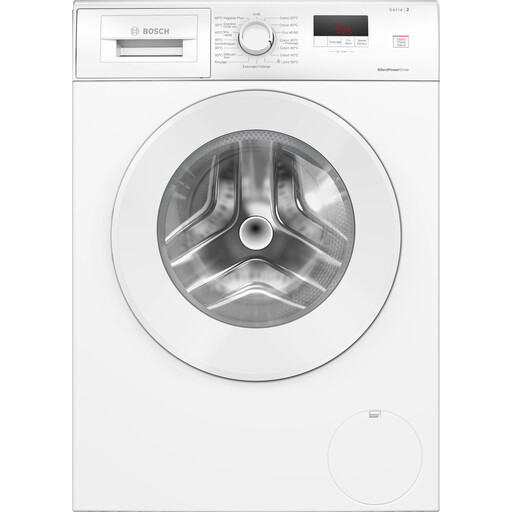 Image unavailable
Bosch WGE02407FR 7 kg front-loading washing machine, 1,400 rpm, class A
Worth considering for a household that runs washing cycles regularly and needs a 7 kg capacity.
Stated consumption of 40 kWh/100 cycles and 44 L per reference cycle; repairability index listed as 8.6/10.
Check the dimensions, connections and positioning before buying. The stated consumption figures relate to the reference cycle.
Joybuy
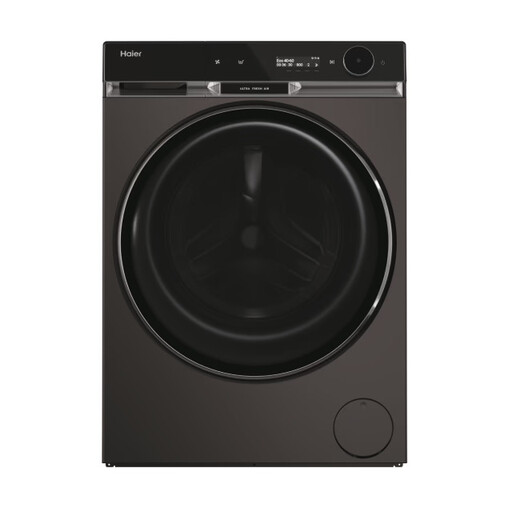 Image unavailable
Haier X Series 11 HW100-BD14397PGU1 10 kg washing machine, 1,400 rpm, class A
This 10 kg capacity is best suited to households with genuinely large and frequent laundry loads.
Stated consumption of 41 kWh/100 cycles and 48 L per cycle; AutoDose, steam and Wi-Fi are listed for this model.
A large capacity is not automatically suitable for small loads. Also check the durability index, dimensions and connection requirements.
Joybuy
 Image unavailable
LG GBBSJ1CCSW 333 L fridge freezer, class C
Compare it with an old fridge freezer that runs continuously and has a similar capacity.
Stated annual consumption of 169 kWh/year, total capacity of 333 L and stated noise level of 34 dB; Total No Frost and DoorCooling+ features listed.
Check that the capacity, compartment layout, dimensions of 59.7 × 186 × 67.4 cm and required clearance suit your kitchen.
Joybuy
 Image unavailable
Samsung DW80H72YBB0U1 60 cm integrated dishwasher, 13 place settings, class B
Worth considering for a fitted kitchen where an integrated dishwasher is used frequently.
Stated capacity of 13 place settings, three-level adjustable basket, automatic door opening and Extra Silence programme listed.
Before comparing its running costs, check the kWh/100 cycles, litres per cycle, repairability index and installation-niche dimensions, along with the connections required.
Joybuy
 Image unavailable
Heinrich’s No Frost 161 L freezer, class C
This model is designed for regular frozen-food storage in an appliance that runs continuously.
Stated capacity of 161 L, No Frost system, three drawers, two shelves, LED display, alarm and reversible door.
Check the annual consumption in kWh on the label, noise level, dimensions and the capacity you actually need before comparing it with your current freezer.
Joybuy
Frequently asked questions
How can I estimate the annual impact of a washing machine or dishwasher?
Take the consumption shown in kWh/100 cycles on the label, multiply it by the number of cycles you expect to run in a year, then divide by 100. Compare identical reference programmes and distinguish between usage patterns that can significantly change the result, such as intensive cycles, half loads or unusual temperatures.
What information does a fridge or freezer energy label provide?
It shows the A to G class, annual consumption in kWh, storage volumes and noise level, among other details. The European Commission explains that the QR code may link to EPREL, the European database where you can view the main characteristics of registered models.
Does an electric hob have an energy label like an oven?
No. In the European Union, energy labelling is compulsory for ovens and cooker hoods, but not for hobs. You should therefore also compare the technology, intended use, power and installation requirements.
What lifespan information should I look for when buying a new washing machine or dishwasher?
For an eligible new washing machine, look for the durability index out of 10, which has been compulsory in France since 8 April 2025 and is based on both reliability and repairability. For a dishwasher, look for the repairability index out of 10, which covers factors including ease of dismantling, maintenance, availability and the price of spare parts.
Are spare parts provided for washing machines and dishwashers sold in the European Union?
European ecodesign rules provide for certain parts to be available for 10 years for eligible washing machines and dishwashers. However, check that the specific model, part required and repairer all fall within the applicable scope.


