What should you check before choosing?
Start with what needs to fit in the appliance after your shop, then compare the available formats with your space and day-to-day needs.
| Priority |
What to check |
My needs |
| Fresh and frozen food |
Compare the usable capacity of both compartments, rather than looking at the total alone. Que Choisir says a simple icebox is not enough if you eat a lot of frozen food. In that case, consider a fridge freezer or, if you need to store a large amount over the long term, a separate freezer. |
I want to put away my whole shop without running short of space for fresh food or immediately filling the freezer compartment. |
| Format and installation |
Check the width, depth, height and clearance needed to open the doors. For a multi-door model, also measure doorways, corridors and lifts along the delivery route. |
I’m interested in a larger appliance only if it will fit in my kitchen and can be installed there. |
| Energy consumption |
The EU energy label shows the energy rating and annual consumption in kWh. Compare the latter between appliances of a similar format and capacity; a separate freezer means another appliance to power. |
I’d like enough capacity for my needs without choosing a size I won’t use. |
| Noise |
Check the stated noise emissions in dB and the noise class on the EU energy label. Consider where the appliance will go, especially in an open-plan kitchen. |
If my kitchen opens onto the living area, the stated noise level matters just as much as the available space. |
| Adding your shopping |
Look for tests that measure how quickly the temperature recovers after a large quantity of food is added. Que Choisir’s testing procedure includes a simulated weekly shop. For storage, Anses advises against packing food too tightly so that air can circulate. |
I put away a lot of food at once and want to be able to distribute it without overloading the compartments. |
A few brand examples
These specifications apply to the models mentioned, not to every appliance made by each brand.
Bosch
The KGN33NWDA is an example of a freestanding fridge freezer with the fridge and freezer capacities listed separately.
- Bosch lists a 189 L fridge capacity, 90 L freezer capacity, 40 dB(A), a D rating and Total No Frost for this model.
- Check the dimensions and specifications of the model you’re considering. The KGN33NWDA’s details don’t apply to every Bosch fridge freezer.
Liebherr
The CBNsfc 5223 Plus BioFresh NoFrost may be worth considering if fresh-food storage and the stated noise level are important to you.
- Liebherr lists a total capacity of 320 L, a noise level of 35 dB, BioFresh compartments and the NoFrost function for this model.
- Check how the capacity is split between compartments and confirm the dimensions of your chosen model before deciding whether it suits your shopping and kitchen.
Samsung
The multi-door RF24BB620EB1EF gives you an idea of the space needed for a high-capacity appliance.
- Samsung lists a capacity of 674 L, a width of 908 mm and a depth of 730 mm for this model.
- The brand recommends measuring doorways, lifts and corridors before delivery. Also check that you have enough space for it in your kitchen.
Whirlpool
The WFNF82EOXFR is an example of a fridge freezer with separate capacities for fresh and frozen food.
- Whirlpool lists a 223 L fridge capacity, 97 L freezer capacity, three freezer drawers, reversible doors and Total No Frost for this model.
- Check the specifications of the model you choose. This configuration isn’t available on every Whirlpool appliance.
Models for storing fresh and frozen food
This Joybuy selection includes fridge freezers and multi-door models for keeping fresh and frozen food in one appliance. Compare the capacity of each compartment and the dimensions against your shopping needs and kitchen space.
 Image unavailable
Haier HTW5618ENMG, 360 L 3-door fridge freezer
If you want to store fresh and frozen food in one appliance after your shop, compare the space available in each compartment. The model name lists a 360 L capacity, Total No Frost, an E rating, Wi-Fi and My Zone. Check the dimensions and required clearances before deciding where to put it.
View on Joybuy
 Image unavailable
Candy CFQQ5T817EPS, 467 L 4-door multi-door fridge freezer
This format is suited to households looking to store a large amount of fresh and frozen food, provided there’s enough space for it. The model name lists a 467 L capacity, Total No Frost and an E rating. Measure the space, delivery route and clearance needed to open the doors.
View on Joybuy
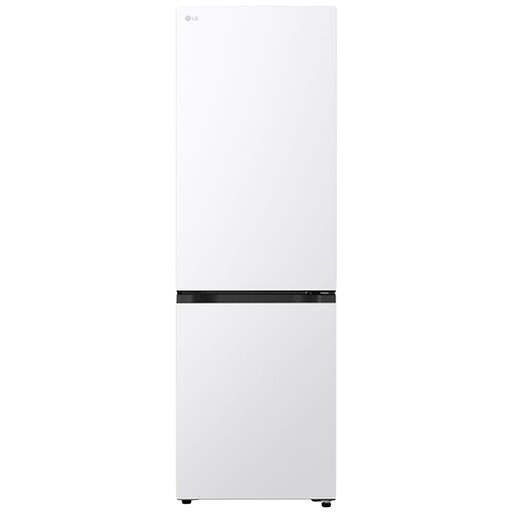 Image unavailable
LG GBBSJ1CCSW, 333 L fridge freezer
If you’re comparing fridge freezers for your weekly shop, check how much space is set aside for frozen food and how the fresh-food compartments are arranged. The model name lists a 333 L capacity, a C rating and NatureFRESH™, DoorCooling+™ and LinearCooling™ technologies. Check the capacity of each compartment and the dimensions before buying.
View on Joybuy
 Image unavailable
Bosch KGN33NLEB, 282 L fridge freezer
The bottom freezer compartment keeps frozen food separate from fresh food. Compare the capacity of each section with the amount you usually store. The model name lists a 282 L capacity and an E rating. If you’re placing the appliance near a living area, also check its stated noise level.
View on Joybuy
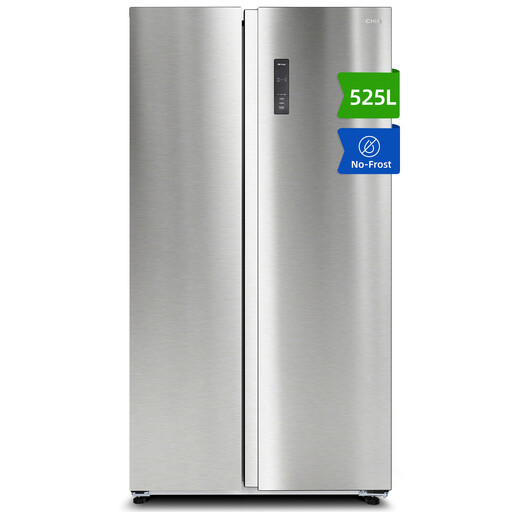 Image unavailable
CHiQ JR525WSE, 525 L side-by-side fridge freezer
This format may suit you if you need to store a large amount of fresh and frozen food, provided your kitchen and access points can accommodate it. The model name lists 333 L of fridge space and 192 L of freezer space, as well as No Frost, 37 dB and an E rating. Check the dimensions, clearances and annual energy consumption before comparing it with other formats.
View on Joybuy
Frequently asked questions
How can I estimate how much capacity I need for a week’s shopping?
Work out separately how much fresh food and frozen food you need to store at the same time. Que Choisir gives a general guide of 100 to 150 L for one person, plus 50 L for each additional person. Adjust this to suit your cooking habits, and check the usable capacity of each compartment rather than looking at the total alone.
Is an integrated icebox enough for a week’s frozen food?
According to Que Choisir, a simple icebox isn’t suitable for storing a large amount of frozen food. If you regularly keep frozen food, compare the freezer compartments in different fridge freezers. If you need more capacity over the long term, also consider whether a separate freezer is an option.
What should I compare on a fridge’s energy label?
For fridges and freezers covered by the EU energy label, compare the energy efficiency class, annual consumption in kWh, fresh and frozen capacities, and noise information. The European Commission says the EPREL database provides additional information about models.
What noise level should I look for in an open-plan kitchen?
Compare the stated noise emissions in dB and the noise class of the models you’re considering. Que Choisir uses below 40 dB(A) as its editorial benchmark for quieter appliances, but this figure doesn’t guarantee that noise will be perceived in the same way in every room.
How can I put away a full shop without cramming food in?
Arrange your shopping with enough space between items for air to circulate. Anses recommends keeping the coldest part of the fridge between 0 °C and 4 °C. If you add a lot of food at once, keep an eye on the temperature and avoid overloading the compartments.


