Housemates who do a big weekly shop together
If you shop together for the week, work out how much space you need for fresh food and how much for frozen food. The total capacity doesn’t show how space is divided between the two compartments.


For a shared house, first choose the balance of fridge and freezer space to suit everyone’s shopping habits, then check that the storage makes it easy for each person to find their food. Next, compare energy consumption, noise levels and dimensions for models with compartments that genuinely meet your needs. A larger total capacity won’t, on its own, solve the challenges of sharing.
If you shop together for the week, work out how much space you need for fresh food and how much for frozen food. The total capacity doesn’t show how space is divided between the two compartments.
Shelves, drawers, door balconies and freezer compartments that are easy to tell apart can make it simpler for everyone to store their food separately. Also check that everyone can reach their allocated space and that the removable parts are easy to clean.
If your kitchen is open-plan or close to living areas, check the noise level listed for the exact model. Compare the kWh/year figures for appliances with similar capacities and layouts, too. As ADEME points out, fridges and freezers run continuously.
Worth considering: if your fresh and frozen shopping will fit into the two compartments of a single appliance.
Bear in mind: even a large total capacity may leave too little space in the compartment your household needs most.
Worth considering: if you regularly have more frozen food than the freezer in a fridge-freezer can hold.
Bear in mind: you’ll need space for two appliances and should check the energy consumption of each one.
| Criteria | What to check | Who is it important for? |
|---|---|---|
| Capacity split | Compare the fridge and freezer capacities separately with your usual shopping, and measure the space where you plan to put the appliance. | When our shared shop fills the appliance quickly, I want enough space in the right compartment, rather than choosing on total capacity alone. Around 29% of consumers would prioritise this. |
| Shared storage | Check the adjustable shelves, drawers and door balconies, as well as whether you can access the drawers once the appliance is in place. | If everyone keeps some of their shopping separately, I want clearly defined spaces so food doesn’t get moved or forgotten. Around 29% of consumers would put this first. |
| Electricity use and noise | Compare the kWh/year and dB figures for models with similar capacities and layouts. | With an open-plan kitchen, I need an appliance that’s quiet enough for the living space, while keeping an eye on its continuous energy use. Around 24% of consumers would prioritise this. |
| Cleaning and food storage | Check that the drawers and door seals are easy to reach for cleaning, look for a temperature display and see whether the appliance has No Frost. | When several people use the appliance, I want to be able to check the temperature and clean the areas we use without any fuss. Around 18% of consumers would make this their top priority. |
Two fridge-freezers with similar total capacities can have very different amounts of fridge and freezer space. The European Commission says that the energy label shows storage volumes.
Work out how much fresh and frozen food everyone buys, then compare the capacity of each compartment rather than looking at the total alone.
According to ADEME, choosing an appliance that’s too large or has more features than you need can increase energy consumption, especially as these appliances run continuously.
Start with how much space your household actually uses, then compare the kWh/year figures and decide whether each extra feature is useful to everyone.
No Frost prevents frost build-up; it doesn’t organise your food or clean the appliance. Anses recommends allowing air to circulate in the fridge and keeping the coldest part between 0 and +4 °C.
Keep airways clear, check the temperature and agree on a regular cleaning schedule for shared storage areas.
A stated food-preservation feature doesn’t, on its own, tell you how long a particular model will last or how easy it is to repair.
Before ordering, check the warranty terms, repair options and stated availability of spare parts for the model you’ve chosen.
Some Bosch fridge-freezers are worth considering if the interior layout is important for organising everyone’s shopping.
LG’s range includes fridge-freezers worth considering if your household is looking for plenty of space in a single appliance.
Samsung fridge-freezers are worth considering if the available space in your kitchen will influence your choice.
Some Beko models offer configurations worth considering if your needs for fresh and frozen storage vary.
These appliances combine fridge and freezer storage in one unit. For a shared house, compare their capacity and layout with the space you actually have and the way you’d like to share the storage.
 Image unavailable
Worth considering if your household wants to store fresh and frozen food in one fridge-freezer. Check that each compartment has enough room for everyone’s shopping.
Stated total capacity: 344 L. Energy rating E; compare the kWh/year figure and dimensions before choosing.
 Image unavailable
Worth considering if you do a large shop together and your kitchen has room for a four-door appliance.
Stated total capacity: 467 L; energy rating E and Total No Frost. Check the split between compartments and the space needed for installation.
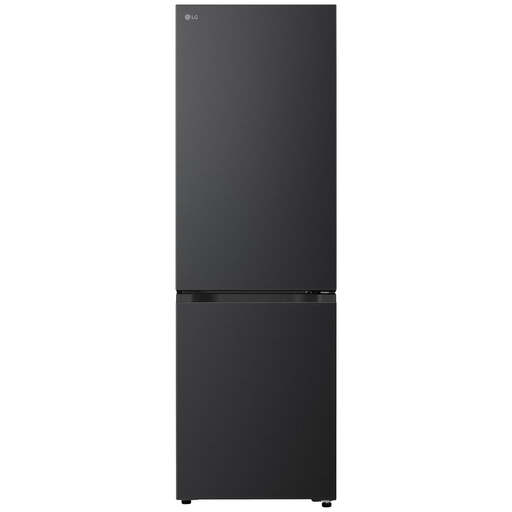 Image unavailable
Worth considering for shared shopping if you need to assess the space for fresh and frozen food separately.
Stated total capacity: 333 L; energy rating C. Check the capacity of each compartment and the clearance needed for installation.
 Image unavailable
Worth considering if a fridge-freezer of this capacity is a better fit for your household’s shopping than a larger appliance. Check the storage layout before dividing up space.
Stated total capacity: 282 L; energy rating E and stainless steel finish. If your kitchen is close to a living area, check the model’s noise level too.
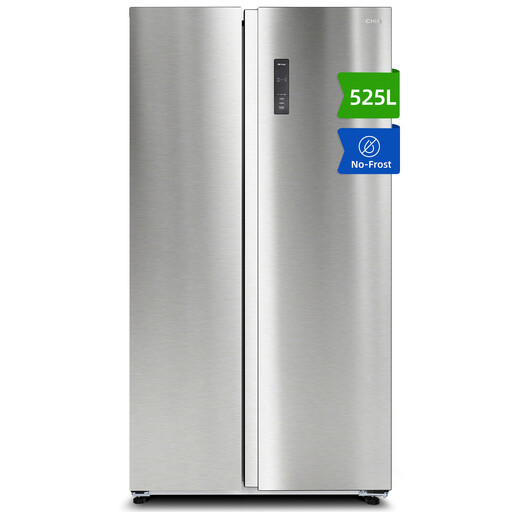 Image unavailable
Worth considering if your household stores a lot of fresh and frozen food and has enough space for a side-by-side appliance.
Stated capacity: 333 L for the fridge and 192 L for the freezer; energy rating E, 37 dB and No Frost. Check the dimensions, kWh/year and interior layout before deciding how to allocate the storage areas.
Anses recommends keeping the coldest part of the fridge between 0 and +4 °C. Check the temperature regularly, especially if several housemates open the door frequently. A thermometer can help you keep an eye on it.
Give everyone clearly marked areas without overfilling the fridge, so cold air can circulate. Anses also recommends putting perishable foods in the coldest part and keeping leftovers and opened food in sealed containers.
No. Also compare the kWh/year figures, compartment capacities and noise levels for appliances with similar layouts. The European Commission says that the energy label for fridges and freezers shows this information. Even if two appliances have the same rating, check that the capacity suits your household’s shopping.
Fridges aren’t among the product categories covered by the repairability index list published by the French ministry responsible for ecological transition in July 2025. For a specific model, check the warranty terms, repair options and stated availability of spare parts.
Clean it whenever it gets dirty and regularly, following Anses advice. Agreeing a rota for the shelves, drawers and clearing out forgotten food can help housemates share the task.