Start by choosing the fridge and freezer capacity you need for your shopping habits, then compare the annual energy use in kWh of models that meet those needs. A fridge-freezer combination provides everyday storage for fresh and frozen food. A compact appliance may suit you if space is limited, while a separate freezer is worth considering if you regularly need more frozen-food storage than the built-in compartment can provide. Also check the dimensions, noise level and features of the specific model: frost-free technology alone won’t tell you how much energy it uses.
Who is this choice for?
Households mindful of energy use
If you’re replacing an appliance that runs all the time, compare its annual energy use and usable capacity before considering extra features. ADEME points out that the size and features of a refrigeration appliance can affect how much energy it uses.
Households that store lots of frozen food
Shopping less often or preparing meals in advance can make freezer capacity a deciding factor. Check the litres available for fresh and frozen food separately before considering a separate freezer, as recommended by UFC-Que Choisir’s buying criteria.
Households with a compact or open-plan kitchen
An alcove, a narrow access route or a position close to your living space can make all the difference between two appliances that otherwise meet your storage needs. Check the dimensions, installation clearances and noise level of the model you choose.
Which criteria should you check first?
Start by working out how much space you need for fresh and frozen food. A compact fridge, a fridge-freezer combination and adding a separate freezer won’t offer the same storage capacity. Then compare energy use and how well each model fits your kitchen, focusing on appliances that actually meet your needs.
| Criterion |
What to check |
Who it matters to |
| Annual energy use |
Compare the kWh/year and energy rating on the label for the exact model, looking at appliances with capacities and features suited to the same needs. |
My appliance runs all year, so I want to keep energy use under control without choosing a bigger model than I need. This would be the top priority for around 33% of consumers. |
| Space for fresh and frozen food |
Check the usable litres in each compartment and compare them with how often you shop. |
When I buy frozen food in bulk, the total capacity doesn’t tell me whether the freezer will be big enough. This would be the top criterion for around 27% of consumers. |
| Food storage and defrosting |
Check which compartments have fan-assisted cooling or a frost-reducing feature, and see what settings are recommended in the manual. |
I want to limit frost without compromising food storage temperatures, so maintenance and storage conditions come first. Around 20% of consumers would prioritise this. |
| Installation and noise |
Measure the space and access route, check the installation clearances and look at the stated noise level in dB. |
In an open-plan kitchen or a narrow alcove, I need to be able to install the appliance without it getting in the way day to day. This would be the main concern for around 20% of consumers. |
Mistakes to avoid
-
Choosing the largest capacity just to be on the safe side
Unused space won’t make household shopping any easier. ADEME highlights that an appliance’s size and certain features can increase the energy use of a unit that runs all the time.
Work out how much fresh and frozen food you usually store, then compare the kWh/year figures for appliances with similar capacities.
-
Looking only at a fridge-freezer’s total capacity
Two fridge-freezers with a similar total capacity may allocate space differently between the fridge and freezer. The built-in freezer compartment needs to suit the amount of frozen food you usually buy.
Check the usable litres in each section. Consider a separate freezer if you regularly need the extra space and have room for one.
-
Assuming frost-free means the temperature is right
A frost-reducing feature doesn’t replace setting and checking the temperature. ANSES recommends keeping the coldest part of the fridge between 0 °C and +4 °C.
Check which compartments the feature applies to, follow the manual and check the temperature after installation.
-
Checking the space but not the delivery route
An appliance may fit in its intended spot but still be too large to get through the access route or may not have the clearance needed for installation.
Measure the delivery route and the space where the appliance will go. Before ordering, ask the seller about delivery arrangements and whether they’ll take away your old appliance.
Brands to know when comparing ranges
Bosch
Bosch offers fridge-freezers and other types of refrigeration appliances to compare based on the capacity and features you’re looking for.
- According to Bosch’s product information, some fridge-freezers have a NoFrost feature; the energy rating varies by model.
- Check the usable capacity, dimensions, annual energy use and noise level for each model rather than assuming the same features apply across the whole range.
Liebherr
Liebherr offers fridge-freezers, including built-in models, with BioFresh or NoFrost configurations depending on the model.
- These features give you different ways to organise fresh food and freezer storage.
- For a built-in model, check the dimensions of the housing, the usable capacity and the features included on the specific model you’re considering.
Beko
The Beko range includes fridge-freezers, including built-in models and models with AeroFlow or HarvestFresh.
- According to Beko, AeroFlow is designed to distribute the temperature more evenly. This is the brand’s description, not a result established for every appliance it makes.
- Start by choosing the capacity you need, then check the features and energy use of the specific model.
Fridge-freezers to explore on Joybuy
These models are fridge-freezer combinations designed to keep fresh and frozen food separate. Their capacities and some of their features can help you narrow down your options. To see whether replacing your appliance will meet your energy-saving goals, also compare the energy labels of models that suit your shopping habits.
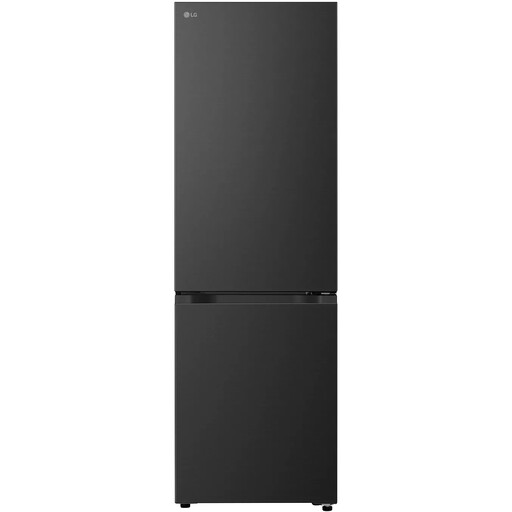 Image unavailable
LG GBBS312AEV, 333 L No Frost fridge-freezer, Class A
Worth a look if you’re after a fridge-freezer with No Frost and a stated total capacity of 333 L.
Class A is stated in the model name; check the annual energy use on the energy label and measure the space before choosing.
View on Joybuy
 Image unavailable
Samsung RB33B612EBN, 344 L fridge-freezer, Class E
Worth a look if you need a fridge-freezer with a stated total capacity of 344 L.
Its Class E rating alone doesn’t tell you how much electricity it will use: compare the annual energy use and the capacity of each compartment on the model’s label.
View on Joybuy
 Image unavailable
Bosch KGN33NLEB, 282 L fridge-freezer, Class E
Worth a look if a 282 L fridge-freezer with a bottom freezer suits the way you store food.
Check the annual energy use, noise level and which compartments benefit from frost-reducing features on the specific model.
View on Joybuy
 Image unavailable
CHiQ JR227LSE, 227 L Low Frost fridge-freezer, Class E
Worth a look for a kitchen where width matters: the model name gives a width of 54 cm, with 153 L for the fridge and 74 L for the freezer.
Low Frost is not the same as No Frost. Check the annual energy use on the energy label, as well as the height, depth and required clearances.
View on Joybuy
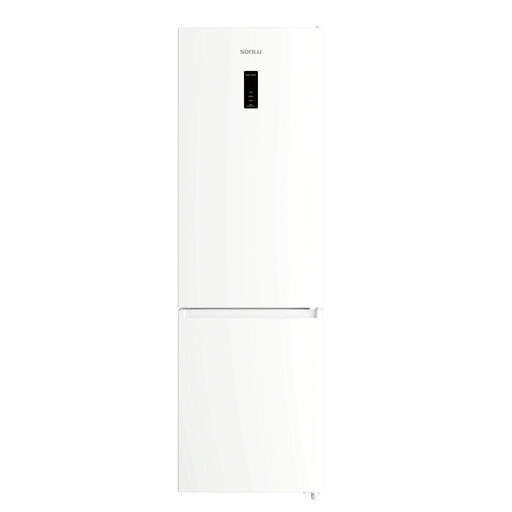 Image unavailable
Sonlu CD‑400RW, 355 L fridge-freezer, Class E
Worth a look if you need the stated 252 L of fridge space and 103 L of freezer space.
The model name gives a width of 60 cm, a reversible door and electronic temperature control. Check the annual energy use, noise level and full dimensions before deciding.
View on Joybuy
Frequently asked questions
Is the energy rating enough to compare energy use?
No. Also compare the annual energy use in kWh of models with a format and capacity that suit your needs. ADEME points out that refrigeration appliances run continuously, and that their size and features can affect energy use. The model’s energy label lets you check its stated annual figure.
How can I choose the right capacity without just counting the people in my household?
Start with your shopping habits and compare the fridge and freezer capacity in litres separately. UFC-Que Choisir provides capacity guidelines, but shopping frequency and how much frozen food you buy can mean two households of the same size need different amounts of space.
Does fan-assisted cooling guarantee the right temperature for food?
No. A feature that limits frost doesn’t remove the need to set and check the temperature. ANSES recommends keeping the coldest part of the fridge between 0 °C and +4 °C. Follow the manual too, to make sure you store food in the right places.
What warranty applies to a new fridge bought from a retailer?
The legal guarantee of conformity applies to this purchase in France. The Ministry of the Economy states that consumers have two years to claim under it; any commercial warranty is in addition to, and does not replace, this legal guarantee.


