Households that do a big shop to last several days
If your fridge needs to hold both fresh and frozen food, compare the capacity of each compartment with what you usually bring home, and don’t forget to check how much space you have in the kitchen.


If you stock up on fresh food, prepared meals and frozen food every week, start by comparing fridge freezers. Their two compartments let you choose how much space to give each type of food. A multi-door fridge is also worth considering if you do a large shop and its dimensions work for both your kitchen and delivery route. Whatever you choose, compare the usable capacity of each compartment with your usual shop before paying extra for additional features.
If your fridge needs to hold both fresh and frozen food, compare the capacity of each compartment with what you usually bring home, and don’t forget to check how much space you have in the kitchen.
Meal prep containers should be easy to reach without cluttering the shelves. Make sure there’s also suitable storage for perishable food and enough space for cold air to circulate.
A fridge freezer or multi-door fridge may suit both, as long as its internal layout and dimensions work for your household and home.
Start with a week’s shopping and meal prep. This gives you a more practical basis for comparing compartments than the advertised total capacity alone.
Worth considering : if fresh food, prepared meals and frozen food are regular parts of your shop.
What to weigh up : total capacity doesn’t tell you how much space is in the fridge and freezer compartments.
Worth considering : if space is very limited and you only need to store a small amount of food.
Limitation : check that your meal prep containers and frozen food will fit in the available space.
Worth considering : for a large shop, if your kitchen and access routes can accommodate a wider appliance.
What to weigh up : check the route into your home, door clearance and the capacity of each compartment before choosing this style.
Worth considering : if you prioritise fridge space and already have a freezer that suits your needs.
What to weigh up : both appliances need their own space, and you’ll need to check their energy consumption.
| Priority | What to check | What I need |
|---|---|---|
| Usable capacity | Compare the fridge and freezer capacities in litres separately. Check how much accessible space there is for containers, vegetables and frozen food. | I shop for several days at a time: the fullest compartment needs to hold my usual stock without excessive stacking. |
| Storage and temperature | Look at the layout of the shelves and drawers, then find the coldest area. The Anses recommends keeping food between 0 and +4 °C in this part of the fridge. | I need to find my prepared meals easily, while raw meat and fish must fit in the appropriate cold zone. |
| Fruit and vegetables | Check the capacity of the drawers and the instructions for any specialist zones. Make sure you check the settings for the specific model. | When I buy enough vegetables for several days, I want to store them without hiding other food or leaving them unprotected if fan-assisted cooling could dry them out. |
| Dimensions | Measure the space, the delivery route and the clearance needed for doors and drawers. Check the model’s dimensions and installation requirements. | A large capacity is no use if the appliance won’t fit through my home or I can’t open its compartments properly. |
| Energy and noise | Compare the energy rating and annual kWh consumption of appliances with similar formats and capacities. Check the noise information too if your kitchen opens onto a living area. | I want to assess how the appliance will work day to day, not just its advertised capacity or smart features. |
Two appliances with similar total capacities can offer very different amounts of space for fresh and frozen food. The compartment you use most could end up being difficult to organise.
Make a note of the meal prep containers, fresh food and frozen food you usually store in a week, then compare the usable capacity of both compartments.
A wide appliance may offer enough capacity for your kitchen, but it might not fit along the delivery route or allow the doors to open fully once installed.
Measure the space and the entire route to your kitchen, then compare these measurements with the dimensions and installation instructions for your chosen model.
An overfilled fridge can restrict the circulation of cold air and make it harder to store prepared meals and perishable food in the right place.
Use sealed containers and leave space between them. Store perishable food in the coldest zone. According to the Anses, this should be between 0 and +4 °C.
No Frost helps manage frost build-up; it won’t keep track of dates or make your food easy to see. Fan-assisted cooling can also dry out food that’s left unprotected.
Protect prepared food and check what’s left in the fridge regularly. The ADEME recommends checking what you have in stock before making your shopping list.
These brands offer examples of formats and layouts to consider. Check the exact model to confirm which features it has.
A range worth exploring when comparing fridge freezers and single-door fridges, depending on how much space you need for fresh and frozen food.
A brand to consider if you’re looking for a fridge freezer with separate storage zones.
The ECBNe 7871 integrated fridge freezer, which Liebherr presents with BioFresh and NoFrost, offers a different storage layout to consider.
A range to explore if a large multi-door or side-by-side appliance suits the size of your shop and the space available.
These fridge freezers and this multi-door fridge are options for storing several days’ shopping, prepared meals and frozen food. Compare their layouts and dimensions with your usual weekly shop: total capacity alone isn’t enough to choose between them.
 Image unavailable
If your shop includes both fresh and frozen food, check that each compartment offers enough space for what you usually store. The product description lists a total capacity of 360 L, Total No Frost, energy class E and My Zone. Check the settings for this zone before storing perishable food in it.
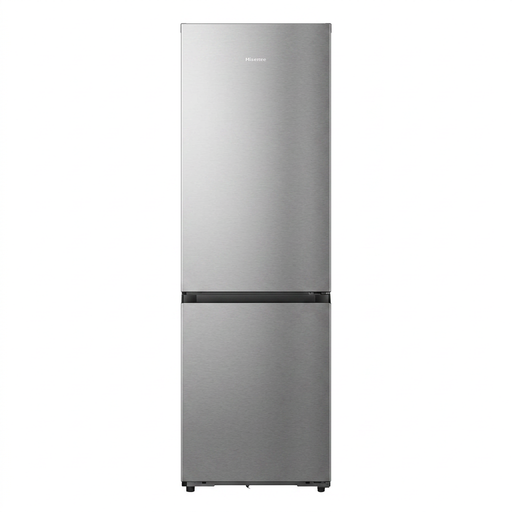 Image unavailable
If you prepare meals as well as storing frozen food, compare the space for each rather than looking only at the advertised 330 L capacity. The model name mentions No Frost and 35 dB. Check the instructions for any compartment intended for perishable food.
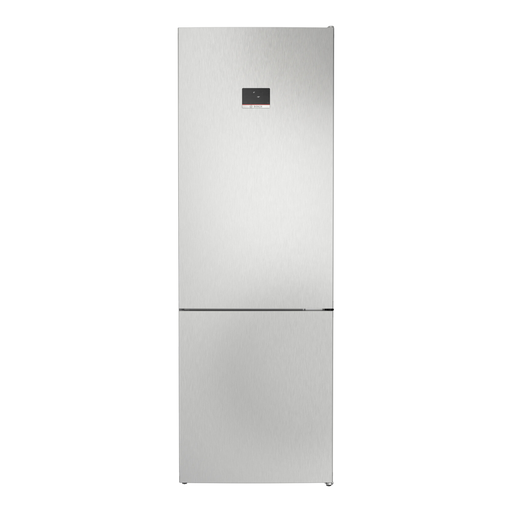 Image unavailable
If you need to store a large amount of fresh and frozen food, check how the advertised 440 L is divided between the compartments. Before choosing this model, also check the space available and the delivery route, along with the instructions for any dedicated zones for perishable food.
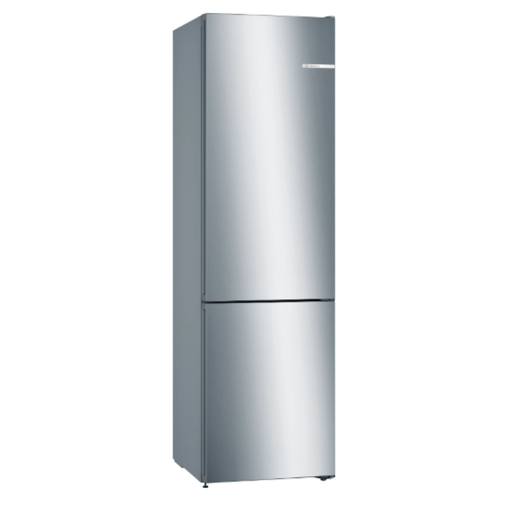 Image unavailable
If you want to keep your weekly meals and frozen food organised separately, compare the capacity of each compartment in this fridge freezer. The product description lists a capacity of 368 L and class E. Also check the available height and the instructions for any specialist food storage zones.
 Image unavailable
This multi-door fridge is worth considering if you do a large shop and can easily open all four doors in your kitchen. The product description lists a capacity of 467 L, Total No Frost and class E. Check how the capacity is divided, the dimensions and the zone for your most perishable food.
According to the Anses, the temperature should be between 0 and +4 °C in the coldest part of the fridge. Find this zone for raw meat and fish, as well as perishable homemade meals, and check the appliance’s temperature.
Yes. The Anses recommends not overfilling your fridge, so that cold air can circulate. Choose sealed containers and organise them so that perishable food stays in the appropriate storage zone.
No. Bosch describes No Frost fan-assisted cooling as a way of distributing cold, dry air evenly, but food still needs to be protected from drying out. Keep checking the temperature, dates and contents of your fridge.
For fridges with similar formats and capacities, compare the energy rating and annual consumption in kWh. Also consider the capacity of the compartments and the noise information to see whether the appliance suits your kitchen and shopping habits.
Measure the space, the clearance for doors and drawers, and the route from your entrance to the kitchen. Compare these measurements with the appliance’s dimensions and, for an integrated model, the housing unit dimensions given for that specific model.