Households that shop weekly
You need to put away a full shop while keeping fresh food and prepared meals within easy reach throughout the week. Que Choisir takes shopping frequency into account when choosing a fridge format, among other things.


For your weekly shop and meals prepared in advance, start by considering how much room you need for fresh food and frozen portions, rather than looking at the total capacity alone. A fridge-freezer works if its compartments can accommodate both. A small freezer compartment is best suited to a limited stock of frozen food, while two separate appliances need enough space and mean running an extra freezer continuously.
You need to put away a full shop while keeping fresh food and prepared meals within easy reach throughout the week. Que Choisir takes shopping frequency into account when choosing a fridge format, among other things.
If prepared meals and frozen food take up a significant amount of space, the capacity set aside for the freezer matters more than the appliance’s total capacity alone.
A narrow kitchen, awkward access or limited door clearance can rule out a larger model or make it impossible to add a separate freezer.
The right format depends mainly on how much frozen food you keep in your weekly shop and how much space you have. Then compare the compartments and energy label of the models you’re considering.
Consider this if: you keep fresh and frozen food each week, but freezing food isn’t your main priority.
The trade-off: both compartments are in one appliance, but the freezer capacity needs to be enough for your portions and shopping.
Consider this if: you mainly store fresh food and keep only a small amount of frozen food.
The limitation: for people who eat a lot of frozen food, Que Choisir says a basic freezer compartment isn’t enough.
Consider this if: you regularly freeze lots of portions or buy large amounts of frozen food.
The trade-off: you’ll need space for two appliances and should factor in the extra freezer running continuously, as ADEME points out.
| What to consider | What to check | Consumers prioritising this |
|---|---|---|
| Space for fresh food | Compare the fridge compartment’s capacity in litres and shelf layout with your usual shopping and containers. | If my shopping and prepared meals need to fit together, I prioritise storage that’s easy to access throughout the week. Around 31% of consumers put this need for fresh-food storage first. |
| Space for frozen food | Check the freezer capacity separately and make sure the drawers can hold your usual portions. | If I often freeze portions, a small freezer compartment could limit how much I can store. This is the top priority for around 25% of consumers. |
| Kitchen layout | Measure the space and access routes, then check the door opening and clearances specified in the instructions. | In a narrow kitchen, I need to be able to install the appliance and access its compartments without blocking the way. This is a priority for around 25% of consumers. |
| Running costs | Compare the kWh/an of models with similar capacities and usage, as well as their volumes shown on the energy label. | If I’m choosing between a fridge-freezer and two separate appliances, their continuous running affects my decision. Around 19% of consumers prioritise electricity consumption. |
Two appliances with a similar total capacity can have different amounts of space for fresh and frozen food. So the overall figure doesn’t tell you whether there’ll be room for your frozen portions.
Compare the capacity of each compartment in litres with the amount you usually store each week.
A spacious fridge doesn’t make up for a freezer compartment that’s too small for regularly prepared portions. Que Choisir advises people who eat a lot of frozen food against relying on a basic freezer compartment.
If that sounds like you, compare the freezer capacity of a fridge-freezer with that of a separate freezer.
An appliance might fit the space you have in mind but be difficult to get through your access routes, or need more room to open its doors and use its drawers.
Measure delivery access routes too, and check the model’s instructions for installation clearances.
The rating doesn’t replace the annual consumption shown on the label, especially when you’re comparing different capacities or one appliance with two.
Check the kWh/an and capacities of each model. If you’re comparing two appliances, look at the consumption shown for each one.
These fridge-freezers let you compare different capacities for weekly shopping and prepared meals. Check how much space each model provides for fresh and frozen food, then see how it matches your available space.
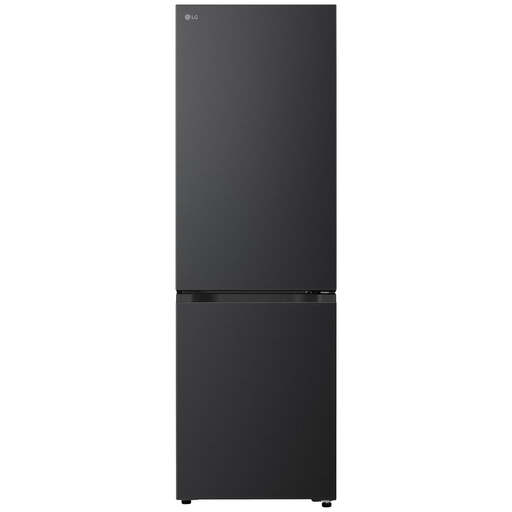 Image unavailable
A fridge-freezer to consider if you want to store fresh food and frozen portions in one appliance.
Advertised total capacity of 333 L; energy rating C. Compare the capacity of each compartment and the dimensions with your usual shopping and available space.
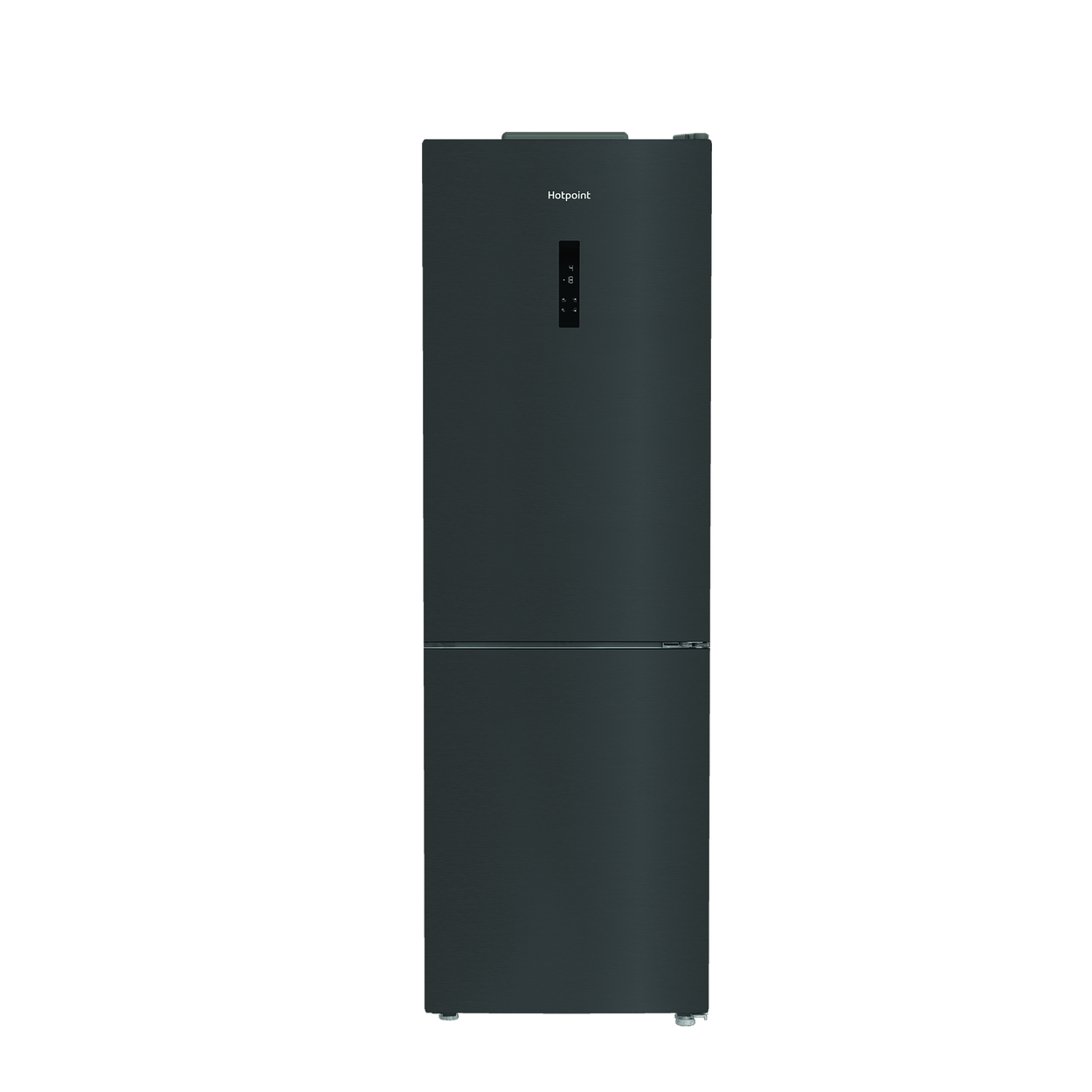 Image unavailable
This fridge-freezer could be worth comparing if you store fresh food and items to freeze each week.
Advertised total capacity of 316 L, Dual No Frost system and energy rating D. Check how much space is allocated to each compartment.
 Image unavailable
Worth considering if your weekly shop calls for a large total capacity, provided the appliance can be installed and used in your chosen space.
Advertised total capacity of 495 L; energy rating E. Before choosing, check the door configuration and clearances, as well as the capacity of each compartment.
 Image unavailable
Its advertised width could suit kitchens where space is limited, as long as its compartments can accommodate your shopping and frozen portions.
Advertised capacity of 153 L for the fridge and 74 L for the freezer, with a width of 54 cm; reversible door, Low Frost and energy rating E. Also check the height, depth and required clearances.
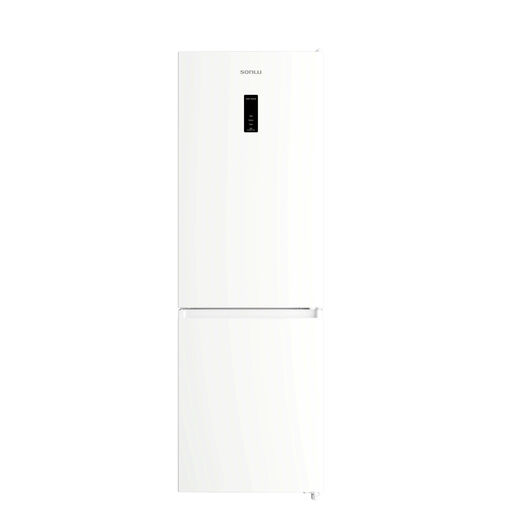 Image unavailable
The advertised split between compartments helps you assess whether this fridge-freezer has enough room for your fresh food and frozen portions.
Advertised capacity of 211 L for the fridge and 99 L for the freezer, with a width of 60 cm; reversible door and energy rating E. Check the height, depth and interior layout to make sure it suits your containers.
It may be enough if you only freeze a few portions and keep little frozen food. If these foods make up a large part of your stock, Que Choisir says a basic freezer compartment won’t be enough. Instead, compare the freezer capacity of a fridge-freezer with that of a separate appliance.
Compare the energy rating, kWh/an, fridge and freezer capacities, and noise emissions. The European Commission says this information appears on the labels of fridges and freezers. Read it all together when comparing models that suit your storage needs.