Preparing meals for several weeks
You prepare lots of meals at once and need to check how much space your frozen portions will take up when your stock is at its highest.


If the usable capacity of a fridge-freezer’s freezer compartment is enough for your largest stock while still meeting your need for fresh food, start by comparing fridge-freezers. If your portions regularly exceed that capacity, a dedicated freezer may be a better fit: choose an upright model for sorting and frequently taking out small portions, or a chest freezer for larger batches. Take into account the space available and the energy consumption of all the appliances you’ll keep. ADEME points out that fridges and freezers run continuously, so compare the annual energy consumption of each complete set-up.
You prepare lots of meals at once and need to check how much space your frozen portions will take up when your stock is at its highest.
You freeze several dishes and want to find and take them out regularly without disrupting the rest of your stock.
You need to store fresh food and a few frozen portions, but have limited room for a second appliance. Dimensions, noise and energy consumption will all factor into your decision.
Worth considering : if you need to store both fresh and frozen food, and the usable capacity of each compartment suits your largest stock.
Check : drawers can make sorting easier, but you should assess freezer capacity separately from the total volume.
Worth considering : if you already have a suitable fridge and regularly take out small portions stored separately.
Check : drawers help organise your stock, but may be less flexible for bulky containers. No Frost depends on the model.
Worth considering : if you have floor space available and mainly store large batches or containers of different shapes.
Check : access to food at the bottom, the space needed to open the lid and, depending on the model, manual defrosting.
Worth considering : if you have limited freezing needs and would prefer a compact appliance for fresh food.
Check : the compartment’s capacity and star rating. According to UFC-Que Choisir’s glossary, four stars indicate that a compartment can freeze food, while three stars indicate storage at −18 °C.
| What matters | What to check | Who considers it most important |
|---|---|---|
| Usable freezer capacity | Count your portions and containers when your stock is at its largest. Compare the usable litres of the freezer compartment separately from the fridge capacity. | When I prepare meals for several weeks, I want all the portions I’ve planned to fit when my stock is at its peak. Around 36 % of consumers put freezing capacity first. |
| Access to and storage of portions | Check whether your containers fit in the drawers or baskets, and whether you can easily reach food stored at the bottom. | If I regularly take out different dishes, I want to find them without having to rearrange the rest of my stock. Around 29 % of consumers prioritise easy access to portions. |
| Appliance energy consumption | Compare the kWh/year figures for every appliance that will remain in use. ADEME points out that fridges and freezers run continuously. | When I add a freezer to my existing fridge, I want to compare the energy consumption of the whole set-up rather than just one appliance. Around 21 % of consumers prioritise electricity costs. |
| Space and noise in your home | Measure the space available and the clearance needed to open the appliance. Compare the stated noise levels in dB(A) for the specific models. | If my kitchen or utility room has limited space, I want to check that an appliance will fit and remain accessible once installed. Around 14 % of consumers prioritise a compact footprint. |
The space for fresh food and the space for frozen portions are used for two different types of stock. A large total capacity therefore doesn’t guarantee that the freezer compartment will be big enough.
Compare the usable capacities separately and estimate how many containers you’ll need to store when your stock is at its largest.
Adding a freezer to your existing fridge isn’t the same as replacing it with a fridge-freezer. ADEME points out that these appliances run continuously.
Add together the stated annual energy consumption of all the appliances that will remain switched on in each set-up.
The star ratings distinguish between a compartment’s ability to freeze food and its ability to store it. UFC-Que Choisir’s glossary states that four stars indicate a compartment suitable for freezing, while three stars refer to storage at −18 °C.
Check the compartment details and the instruction manual if you plan to freeze prepared meals. For food safety rules and storage times, consult ANSES guidance separately.
An open space makes it easy to store containers of different shapes, but food at the bottom may be harder to reach. You’ll also need enough room to open the lid.
Measure the space available, allow the necessary clearance and keep frequently used portions within easy reach. Check the model’s defrosting instructions.
Fridge-freezers are worth considering if one purchase needs to cover your fresh food needs as well as moderate freezing needs.
The models mentioned illustrate two different formats : an upright freezer with drawers and a chest freezer with an open interior.
The GBV22NCDPY fridge-freezer is an example to consider if you still have substantial fresh food needs and want a separate freezer compartment.
A dedicated upright freezer may be worth considering if you already have a fridge and want separate freezer space.
These fridge-freezers and chest freezer suit different needs for storing prepared portions, from keeping fresh and frozen food in one appliance to adding dedicated freezer space.
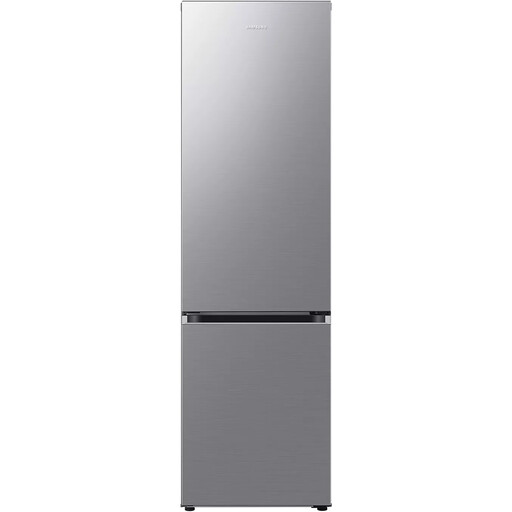 Image unavailable
Worth considering if you want to keep fresh and frozen food in one appliance. Check the usable capacity of each compartment against your largest stock.
Stated total capacity : 390 L. Stated energy class : C.
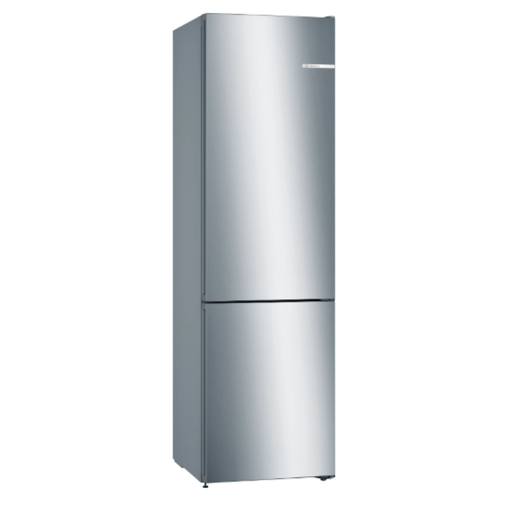 Image unavailable
Worth comparing if you need to store fresh and frozen food in one appliance. Check the freezer’s usable capacity separately to make sure it suits your portions.
Stated total capacity : 368 L. Stated energy class : E.
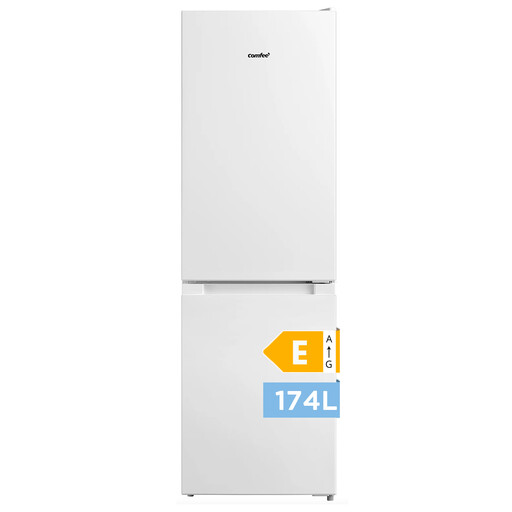 Image unavailable
Worth comparing if you’re looking for an appliance that combines fridge and freezer space in a 174 L format. Low Frost reduces frost build-up, but the product information indicates that defrosting is still required.
Stated capacities : 115 L for the fridge and 59 L for the freezer. Three drawers, four-star freezer and stated height of 150 cm.
 Image unavailable
Worth comparing if you want a fridge-freezer for a home where width is a consideration. Low Frost reduces frost build-up, but you’ll still need to allow for defrosting.
Stated capacities : 153 L for the fridge and 74 L for the freezer. Four-star freezer and stated width of 54 cm.
 Image unavailable
Worth considering if you already have a fridge and want to add freezer space with a removable basket. The fridge and freezer modes are alternatives : the appliance can’t keep both types of food at the same time.
Stated capacity : 95 L. Stated energy class : E.
Don’t rely on the word ‘freezer’ alone. Check the star rating, capacity and instructions in the manual : according to UFC-Que Choisir’s glossary, four stars indicate that a compartment can freeze food, while three stars indicate storage at −18 °C.
No. No Frost relates to frost build-up and defrosting, not food safety or storage times. ANSES recommends, in particular, monitoring the temperature in the coldest part of the fridge and following its separate advice on freezing and defrosting.
That depends on the ambient temperature range specified for the model you choose. Check its climate class or the instructions in the manual, as well as the clearance needed for installation.
Compare the kWh/year figures for every appliance that will remain plugged in. Add the figures together on the same basis, then multiply the total by your tariff in €/kWh to estimate the annual cost. ADEME points out that cooling appliances run continuously ; its figures by category don’t replace the energy labels for the models you choose.
When you buy from a professional seller, the statutory legal guarantee of conformity applies under its legal conditions, regardless of any commercial guarantee. The DGCCRF also states that sellers must offer free take-back of equivalent used equipment on a ‘one-for-one’ basis when you buy new equipment ; ask the seller about the practical arrangements that apply.