Households short on space for fresh food
If shopping and leftover containers are piling up, look at the fridge’s usable capacity and the layout of its shelves and drawers. Anses recommends not overfilling the appliance, so that air can circulate.


A fridge-freezer is a good choice if you regularly store fresh food, leftovers and frozen food. If you mainly need to freeze food in bulk and your current fridge has enough room for fresh food, consider a separate freezer instead. Compare the usable capacity of each compartment and the space needed for installation, rather than looking at total capacity alone.
If shopping and leftover containers are piling up, look at the fridge’s usable capacity and the layout of its shelves and drawers. Anses recommends not overfilling the appliance, so that air can circulate.
If you batch-cook or often store frozen food, compare freezer capacity and how easy it is to reach your portions. A chest or upright freezer can add extra space if your fridge already meets your needs for fresh food.
An alcove, staircase or lift may determine which format is practical. Measure the space and the delivery route before choosing a capacity, and arrange for your old appliance to be collected if you’re replacing it.
Start by considering how much fresh and frozen food you store. This will help you decide whether one appliance is enough or whether a separate freezer is worth considering.
Consider this if: you regularly store fresh shopping, leftovers and frozen food in one appliance.
Bear in mind: the space available for frozen food is limited by the model’s internal layout.
Consider this if: fresh food and leftovers take priority, and you only keep a small amount of frozen food.
Bear in mind: the compartment may not be big enough for batch-cooked meals or bulk buys.
Consider this if: you mainly need dedicated space for frozen food and have room on the floor.
Bear in mind: getting to food at the bottom takes a little more organisation.
Consider this if: you’d rather sort and find frozen portions across several shelves or drawers.
Bear in mind: check the available height and the clearance needed to open the door.
| What to consider | What to check | Who is this important for? |
|---|---|---|
| Space for fresh food and leftovers | Compare the fridge’s usable capacity and the space actually available for your containers on the shelves. | When leftover containers end up behind the shopping, I want to see them and put them away without stacking food on top of other food. Around 36% of consumers prioritise this kind of storage space. |
| Freezer capacity | Check the freezer’s usable capacity and whether its drawers or baskets suit the portions you store. | If I prepare several meals in advance, I need dedicated space where I can find each portion. Freezing in bulk comes ahead of other criteria for around 29% of consumers. |
| Temperature control and maintenance | Check the temperature settings and defrosting system for each relevant compartment. | For my perishable food and leftovers, I want to be able to check the temperature without frost making maintenance harder. This is a priority for around 21% of consumers. |
| Installation and energy use | Measure the space and access route; compare the energy labels of appliances with a similar type and capacity. | If the appliance has to fit through a narrow access route, I need to know I can get it installed before comparing formats by energy use. Around 14% of consumers put these practical constraints first. |
Two fridge-freezers can allocate different amounts of space to fresh and frozen food. Bosch, for example, lists 377 l of fridge capacity and 126 l of freezer capacity for the KGV58VLEAS, while Whirlpool lists 340 l and 150 l for the WHK2 6493 X4E.
Work out how much room you need for shopping, leftovers and frozen food separately, then check the usable capacity of each compartment.
An appliance may fit in its alcove but still be impossible to get through a doorway, up the stairs or into a lift.
Measure the whole route and check the model’s manual for the clearances needed for installation and opening.
If the access route isn’t suitable, you may need to rearrange the delivery or make adaptations.
A defrosting feature doesn’t replace correct temperature settings or storage that allows air to circulate. Anses recommends keeping food between 0 and +4 °C at the coldest point in the fridge.
Check this area, avoid overfilling the appliance and store opened food in suitable containers.
In France, Service Public Entreprendre states that when you buy a new appliance, you can have an equivalent used appliance taken away free of charge, including when the new appliance is delivered.
Request collection when you place your order, and check with the seller what you need to do before the delivery team arrives.
The range includes fridge-freezers in a variety of sizes and layouts.
The range includes fridge-freezers, integrated appliances and upright freezers.
The range includes fridge-freezers and chest freezers.
Some fridge-freezers in the range have a reversible door or an open-door alarm.
These fridge-freezers combine storage for fresh food and frozen food in one appliance. Compare the layout and dimensions of your chosen model with your shopping, leftovers and available space.
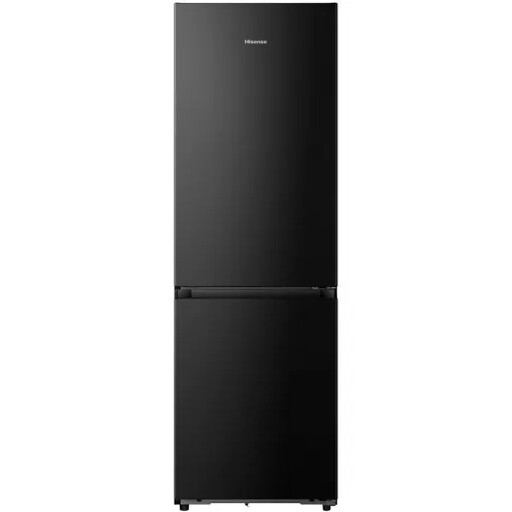 Image unavailable
Worth a look if you want to store fresh shopping, leftovers and frozen food in one appliance.
Listed total capacity: 330 l. Check how much space is allocated to each compartment, along with the clearances needed for installation.
 Image unavailable
Worth considering if you need a four-door appliance to organise your shopping and frozen portions.
Listed total capacity: 467 l; Total No Frost and energy class E are included in the product description. Measure the space, door clearance and delivery route.
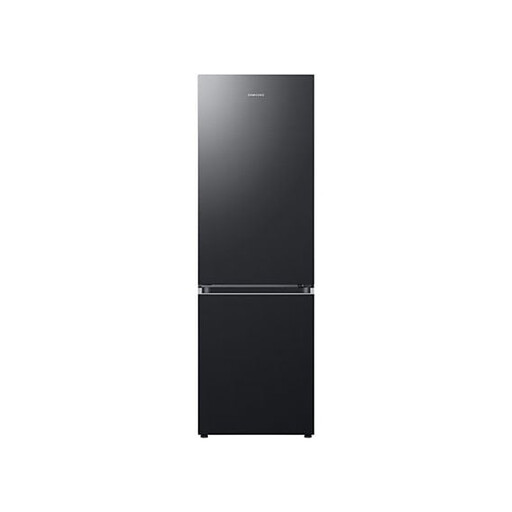 Image unavailable
Worth comparing if you need separate spaces for fresh food, leftovers and frozen food.
Listed total capacity: 344 l; energy class D is included in the product description. Check the full depth and required clearances before deciding where to put it.
 Image unavailable
Worth a look if your shopping, leftovers and frozen food regularly need several storage spaces.
Listed total capacity: 495 l; energy class E is included in the product description. Check that it will fit along the route to your kitchen. If the water and ice dispenser is important to you, check the connection requirements in the manual.
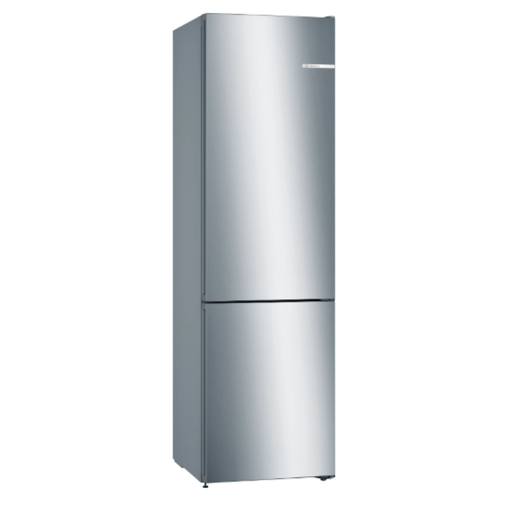 Image unavailable
Worth considering if storage for fresh food and leftovers matters more to you than keeping large amounts of frozen food.
Listed total capacity: 368 l; energy class E and a stainless steel finish are included in the product description. Check the available height and the defrosting system in each compartment you’re interested in.
Anses recommends keeping food between 0 and +4 °C at the coldest point in the fridge. Find this area, avoid overfilling the appliance and store leftovers in sealed containers.
Only if the model’s operating temperature range covers the conditions in the room. Whirlpool says its WHM2112 can be used at temperatures as low as −15 °C. Check the manual for the chest freezer you’re considering rather than assuming this applies to every model.
When you buy an equivalent appliance, Service Public Entreprendre states that the retailer must offer to collect the old one free of charge, including when the new appliance is delivered. Request this when you place your order and confirm the practical collection arrangements with the seller.
Check their energy labels and compare appliances of the same type and with similar capacities. As ADEME points out, the label can help you choose. Also make sure each compartment has the capacity you need, rather than using the energy class alone to predict your actual energy use.