Households that store a lot of frozen food
If bulk buys or prepared portions already fill your freezer, start by working out how much space you need for frozen food. UFC-Que Choisir notes that separate freezers remain useful for larger families.


If you need to store fresh and frozen food in one space, choose a fridge-freezer and compare the capacity of each compartment, not just the total capacity. If most of your food is frozen and you have room for a second appliance, a separate freezer is worth considering. Either way, check the dimensions and annual energy consumption of each appliance: ADEME points out that refrigeration appliances run continuously.
If bulk buys or prepared portions already fill your freezer, start by working out how much space you need for frozen food. UFC-Que Choisir notes that separate freezers remain useful for larger families.
If you need more space for both without installing two appliances, compare the capacity in litres for the fridge and freezer compartments separately. The total capacity of a fridge-freezer doesn’t tell you how the space is divided.
If space is limited, check the dimensions and required clearances before choosing a capacity. To compare energy use over time, the EU energy label shows annual consumption, capacity and noise levels, as the European Commission explains.
Consider it if: you need to keep fresh and frozen food in one appliance.
The trade-off: the split between the two compartments is fixed for the model you choose.
Consider it if: frozen food takes up a lot of space and you have room for a second appliance.
The trade-off: you’ll need to plan the installation and check the annual energy consumption of both appliances.
Consider it if: you only freeze food occasionally and have limited space.
The trade-off: check the compartment’s capacity before planning to store bulk buys or portions for freezing.
| What matters | What to check | Who is this for? |
|---|---|---|
| Space for frozen food | Freezer compartment capacity in litres and space for bulky containers. | When bulk buys and prepared portions start piling up, I want to be able to store them without cutting into the space for fresh food. Around 36% of consumers prioritise this freezer capacity. |
| Balance of fresh and frozen space | Fridge and freezer capacities shown separately, followed by the internal layout. | If I regularly fill both compartments, a large total capacity isn’t enough: each one needs to suit my shopping. For around 29% of consumers, getting the balance right matters more than increasing the capacity of just one compartment. |
| Space it takes up | Dimensions, door clearance and the clearances specified for the model. | In a narrow kitchen or utility room, I need to be able to install the appliance and open its drawers. Available space is the top priority for around 21% of consumers. |
| Everyday running | Annual energy consumption in kWh and the model’s maintenance requirements. | When my current storage is almost enough, I’d rather check energy use and maintenance before adding more capacity. Around 14% of consumers put these practical considerations first when choosing. |
Two fridge-freezers with similar total capacities can divide the space differently between fresh and frozen food. The European Commission explains that the energy label shows the capacity of each compartment separately.
Make a note of how much space you need for each and compare their capacities separately.
An extra appliance gives you more storage, but it also runs continuously, as ADEME points out.
Compare the stated consumption in kWh/year for the appliances you’re actually considering, taking into account the usable capacity you’ll get.
An appliance may fit in the room but leave too little space to open the door or meet the installation instructions.
Measure the space and the delivery route, then check the model’s manual for the required clearances.
The room temperature needs to be compatible with the freezer’s climate class. UFC-Que Choisir highlights this for locations outside the kitchen.
Check the climate class and the expected room temperatures before choosing a model.
Bosch offers fridge-freezers, fridges without a freezer compartment and freezers. Its ranges are worth exploring if you’re deciding between one appliance and two.
Liebherr’s NoFrost freezer range is worth considering if you’re looking at a dedicated appliance for frozen food.
Whirlpool fridge-freezers are another option to compare if you want fresh and frozen storage in one appliance.
These models combine refrigeration and freezing in one appliance. To compare them, consider their stated capacity alongside how much space you actually need in each compartment.
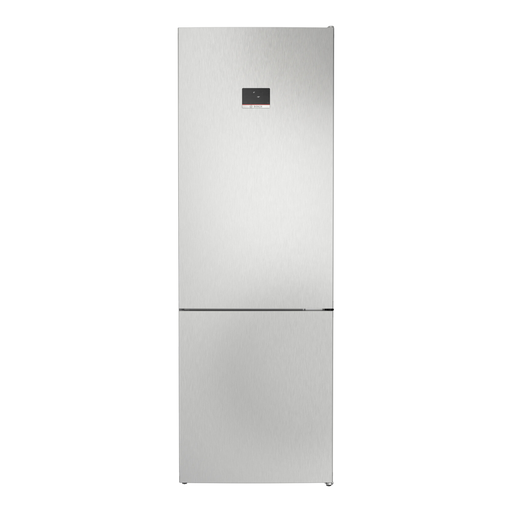 Image unavailable
Worth considering if you’re looking for a fridge-freezer to increase your storage for fresh and frozen food in one appliance.
Stated total capacity: 440 L; energy rating D. Check the split between the compartments, as well as the dimensions and clearances needed for installation.
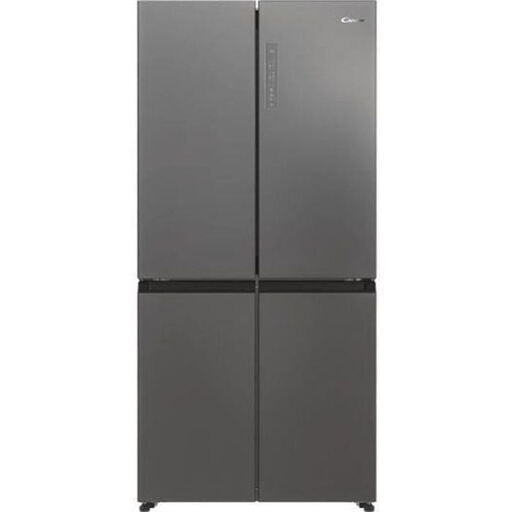 Image unavailable
Its four-door design may appeal to households looking to organise fresh and frozen food in one appliance.
Stated total capacity: 467 L; energy rating E and Total No Frost function are indicated in the model name. Check the space needed for installation and the capacity of each compartment.
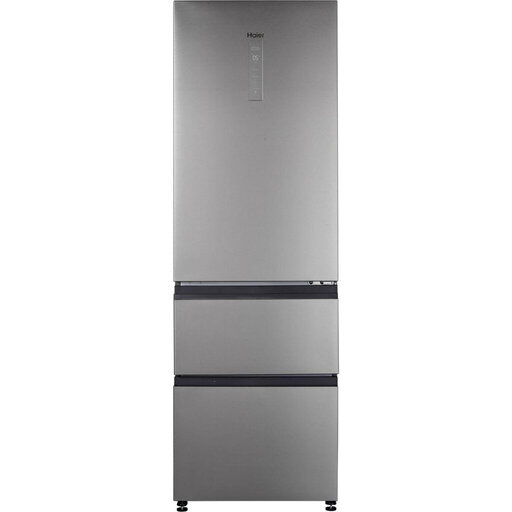 Image unavailable
Compare it with other fridge-freezers if a three-door design suits the way you organise your groceries.
Stated total capacity: 360 L; energy rating E, Total No Frost, Wi-Fi and My Zone are listed in the product name. Check the fridge and freezer capacities, as well as the space needed to open the doors.
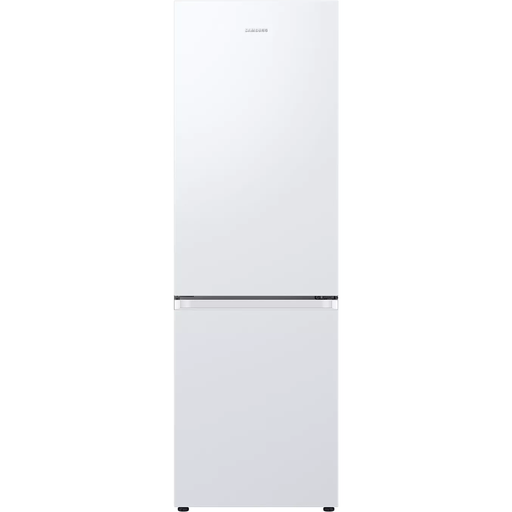 Image unavailable
Consider this fridge-freezer if you want to store both types of groceries in one appliance.
Stated total capacity: 390 L; energy rating E. Compare the capacity of each compartment and check the freezer’s maintenance instructions and installation requirements.
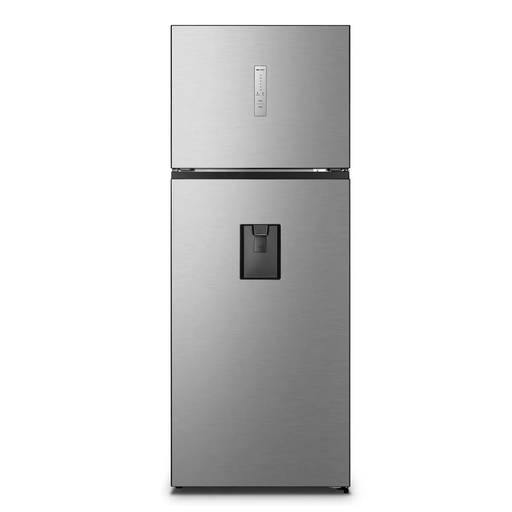 Image unavailable
If you’re looking for a large total capacity in one appliance, make sure the space for frozen food also suits your needs.
Stated total capacity: 467 L; energy rating E and Total No Frost technology are listed in the product name. Check the freezer capacity separately and make sure the appliance will fit in the space available.
Compare the energy rating, annual consumption in kWh, compartment capacities and noise level. The European Commission says this information appears on the energy labels for fridges and freezers, helping you assess the specific models you’re considering.
It’s worth considering if most of the extra storage you need is for frozen food and you have room for a second appliance. UFC-Que Choisir highlights the benefits of separate freezers for larger families. Also check that you can access the storage easily and compare the energy use of each appliance you’re considering.
Yes, provided the room temperature is compatible with the climate class and instructions for your chosen model. Check the manual before buying rather than assuming that every freezer will be suitable for that location.
If freezer maintenance is a factor in your decision, check whether the specific model has this function and what it covers. Liebherr describes NoFrost as a way to avoid manual defrosting in its freezers equipped with the feature; this doesn’t apply to appliances without it.
For a new item bought from a professional seller in France, the Ministry of the Economy states that the statutory guarantee of conformity lasts for two years. This is separate from any additional commercial guarantee that may be offered.