Which factors matter most?
Fridge-freezer
Choose this if: your shopping and meal preparation fit into the two compartments of one appliance, and you want to keep floor space to a minimum.
Bear in mind: the balance between fridge and freezer space varies by model, so check the usable capacity of each compartment separately.
Separate fridge and freezer
Choose this if: you need to adjust the space for fresh food and frozen food independently, and have room for two appliances.
Bear in mind: both appliances run continuously. Add together their stated annual energy consumption before comparing this set-up with a suitable fridge-freezer.
Upright freezer
Choose this if: you want to organise individual portions and find them easily in drawers.
Bear in mind: check the number and size of the drawers, as well as the space needed to open the door.
Chest freezer
Choose this if: you store larger quantities of food and have enough floor space and clearance for the lid.
Bear in mind: the open space offers flexible storage, but you’ll need to think about how to reach items at the bottom.
ADEME points out that cooling appliances run continuously. To compare their energy consumption, check the kWh/an figures for models with similar storage needs. ADEME also recommends using the energy label as a guide.
| What matters |
What to check |
Who it matters most to |
| Balance of storage space |
Estimate your fridge and freezer needs separately, then compare the usable capacity in litres of each compartment. |
If I shop for several days at a time, I need enough room for fresh food and frozen portions without choosing an appliance that’s too large. Around 40% of consumers prioritise how the storage space is divided. |
| Access to portions |
Compare the drawers, baskets and interior space with the size of the containers you usually use. |
When I prepare meals in portions, I want to find them without rummaging through a large space. Around 20% of consumers prioritise easy access and organisation. |
| Space required |
Measure the space, the delivery route and the clearance needed to open the appliance. If you’re buying two appliances, check both spaces. |
If space is limited at home, I need to make sure the appliance and its doors will really fit. Around 20% of consumers prioritise the space required and where the appliance will go. |
| Annual energy consumption |
Compare the kWh/an figures for models that meet similar needs; add the figures together if you choose two appliances. |
When I compare different set-ups, I want to take their energy consumption into account without treating it as a guaranteed bill. Around 20% of consumers put energy consumption first. |
Brands to consider
The examples below relate to specific models or ranges. Their features don’t apply to every model from the same brand.
Bosch
The KGN39VLCT fridge-freezer is one example to compare by looking at the storage split and the energy consumption of the exact model.
- Bosch states that the KGN39VLCT has 260 l of fridge space, 103 l of freezer space and measures 203 × 60 × 66.5 cm.
- These specifications don’t describe other Bosch models and should be checked against the space you have available.
Liebherr
The Rd 5220 and FNe 5006 models illustrate the option of choosing a separate fridge and freezer.
- Liebherr states a total capacity of 399 l for the Rd 5220 fridge and 238 l for the FNe 5006 freezer.
- These appliances need two separate spaces. Add together the stated annual energy consumption for the exact models. Their capacities alone don’t show whether the pair is suitable or more energy-efficient than a fridge-freezer.
Whirlpool
The WHFF 6403 W4E upright freezer may be worth considering if drawer storage suits the way you use it.
- For this model, Whirlpool states that it has six drawers, a capacity of 404 l, a width of 70 cm and energy consumption of 292 kWh/an.
- Its capacity and size may be excessive if you only keep a small stock of food. These are manufacturer-stated specifications, not independent measurements.
Beko
Consider chest freezers in the HSM range if you have enough food to store and floor space for this type of appliance.
- Beko offers several HSM models and says that some appliances have the Freezer Guard function.
- Check the capacity, dimensions and permitted ambient temperatures for the model you’re buying. Freezer Guard isn’t available on every Beko chest freezer.
Fridge-freezers on Joybuy
The models shown are fridge-freezers, so you can compare the space for fresh and frozen food in a single appliance.
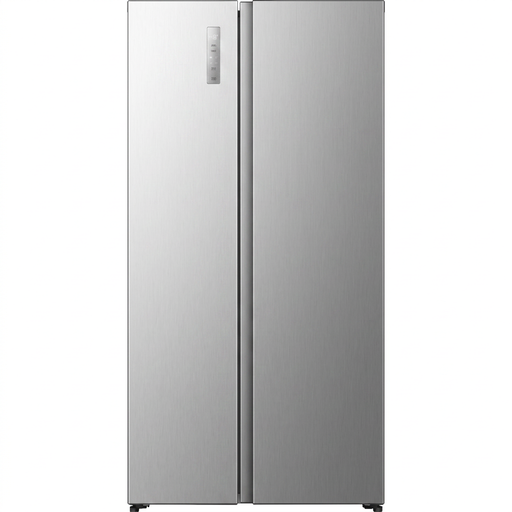 Image unavailable
Hisense RS3P558NEID, American-style side-by-side fridge-freezer, 544 L
To compare the space for fresh and frozen food in a single appliance, look separately at the stated usable capacities.
The product listing states 347 L for the fridge, 197 L for the freezer and 254 kWh/an. Stated dimensions: 911 × 1786 × 615 mm. The title mentions No Frost and a water dispenser.
Joybuy
 Image unavailable
Haier HTW5618ENMG, 3-door fridge-freezer, 360 L
This model is worth comparing if you want to distinguish between fridge and freezer capacity and store portions in drawers.
The product listing states 235 L of fridge space, 125 L of freezer space and 271 kWh/an. Stated dimensions: 185 × 59.5 × 66.7 cm. The freezer is listed as having three drawers.
Joybuy
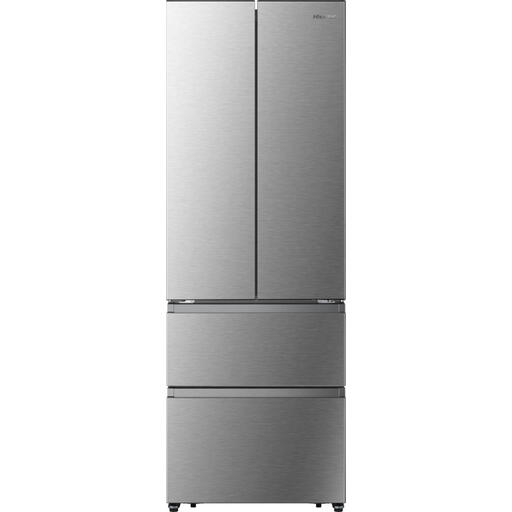 Image unavailable
Hisense RF632N4BCE, French-door fridge-freezer, 485 L
The product listing lets you compare this model’s fridge and freezer capacities before checking whether it will fit your space.
It states 336 L for the fridge, 149 L for the freezer and 295 kWh/an. The title mentions Total No Frost, energy class E and a water dispenser.
Joybuy
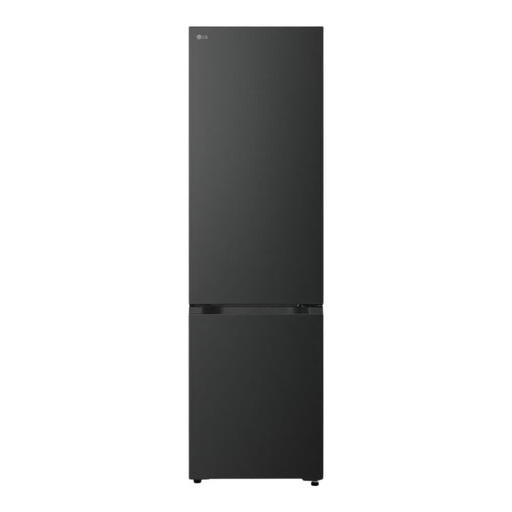 Image unavailable
LG GBBS322CEV, fridge with bottom freezer
Compare the usable capacities of both compartments if you want to organise frozen portions in drawers while keeping fresh food in a separate fridge section.
The product listing states 225 L net capacity for the fridge, 113 L net capacity for the freezer and 175 kWh/an. Stated dimensions: 597 × 2030 × 674 mm. Three freezer drawers are listed.
Joybuy
 Image unavailable
Sonlu CC-520WE, side-by-side fridge-freezer, 444 L
This model may suit you if you want to compare fridge and freezer space in a side-by-side design, provided it fits the available width.
The product listing states 276 L for the fridge, 168 L for the freezer and a width of 83 cm. The title mentions No Frost and energy class E.
Joybuy
Frequently asked questions
How do I choose the right capacity without buying an appliance that’s too large?
Start with the food you usually have after shopping, and separate what goes in the fridge from what goes in the freezer. Then compare the usable capacity of each compartment rather than just the total capacity. How often you shop also matters.
How do I compare the energy consumption of two appliances?
Add together their stated consumption in kWh/an, then multiply the total by your electricity price in €/kWh to estimate the annual cost. ADEME points out that fridges and freezers run continuously; the stated consumption doesn’t guarantee what you’ll actually spend.
Can I put a freezer in an unheated garage?
It depends on the permitted ambient temperature range for the exact model. Liebherr says the FNe 5006 can operate down to −15 °C, while Beko offers Freezer Guard on some chest freezers. These specifications don’t apply to every model or every installation condition.
How can I check maintenance requirements before buying?
Check the technology listed for the exact model and consult its instructions. Liebherr lists NoFrost for the FNe 5006, while Beko offers MinFrost on some HSM chest freezers. These manufacturer terms refer to different technologies and don’t tell you what maintenance every model from a brand needs.
What can I do if the appliance delivered doesn’t match what I ordered?
In France, the statutory guarantee of conformity applies to goods bought by an individual from a professional seller, under the conditions set out by the Ministry of the Economy. Contact the seller and keep your proof of purchase. This statutory guarantee is separate from any commercial extended warranty.


