Households that shop less often
If you buy enough food to last a week or two, check how much space you have for fresh and frozen food separately. Que Choisir recommends considering how often you shop when choosing your fridge capacity.


When you shop less often, start by working out how much space you need for fresh and frozen food. A fridge-freezer may be enough if both compartments meet your needs, while a separate freezer is worth considering if you regularly run out of room for frozen food. Before adding another appliance, compare the capacity of each compartment, the space it takes up, annual energy consumption and noise levels. According to ADEME, fridges and freezers run continuously.
If you buy enough food to last a week or two, check how much space you have for fresh and frozen food separately. Que Choisir recommends considering how often you shop when choosing your fridge capacity.
Freezer capacity isn’t just about its litre count. Look at the drawers and the space available for the portions you plan to store, without sacrificing too much room for fresh food.
Measure the space, check how the doors open and make sure the appliance will fit through the delivery route. If it’s in a living area, also compare the noise levels stated on the product specifications for the models you’re considering.
The key question is whether one appliance can hold your usual shop, or whether your frozen food needs justify adding another.
Worth considering if: your fresh and frozen food fits in the compartments of a single appliance.
The trade-off: a generous total capacity may still leave too little room for frozen food.
Worth considering if: your fridge meets your everyday needs, but its freezer drawers are regularly too small and you’d like to organise frozen food by category.
The trade-off: it needs a second space and, like your fridge-freezer, runs continuously.
Worth considering if: storing large quantities of frozen food is a priority and you have enough floor space.
The trade-off: accessing the contents and finding floor space for it may be less convenient than with a drawer-style upright freezer.
| Feature | What to check | Your needs |
|---|---|---|
| Fresh and frozen capacity | Compare the net capacity in litres of each compartment, not just the total. Check the number of drawers and, if you often freeze a lot of food at once, the freezing capacity in kg/24 h. | I want enough room for my fresh food shop and portions to freeze at the same time, without choosing a large capacity that’s mostly for fresh food. |
| Annual energy consumption | Check the kWh/year and energy rating of each appliance you’re considering. Compare energy consumption alongside capacity and format. According to ADEME, a larger size and buying more equipment than you need can increase consumption. | If I add a freezer, I want to factor in this extra appliance, which will run continuously. |
| Installation and noise | Measure the height, width and depth, then check the door opening, delivery route and clearances specified in the manual. Check the stated noise level and noise class on the label. | The appliance needs to fit in my kitchen without getting in the way. If it’s open-plan with the living room, noise matters too. |
| Storage and maintenance | Check the drawers and layout of the exact model. Find out whether its frost-management system requires manual defrosting and whether its format makes the contents easy to reach. | I need storage that works for everyday use, so I can find portions I’ve stored for several weeks. |
Two fridge-freezers with similar capacities can allocate their space differently. Bosch lists 279 L of fridge capacity and 89 L of freezer capacity for the KGN39VLEB; LG lists 234 L and 107 L for the GBB61DSJEN.
Work out how much room you need in each compartment, then check the drawers and freezing capacity if you often freeze large quantities at once.
According to ADEME, fridges and freezers run continuously, so adding an appliance means another one to power.
Only consider this option if you regularly run out of room for frozen food. Compare the kWh/year listed for each model, rather than looking only at its energy rating letter.
Depth, height, door opening and ventilation matter too. Bosch lists the dimensions of its GSN51AWDV upright freezer as 161 × 70 × 78 cm; the Liebherr CFe 2500 Pure chest freezer measures 82 × 167 × 71 cm.
Measure the space and delivery route in all three dimensions, then follow the clearance guidance in the manual for your chosen model.
No Frost, EasyFresh and Door Cooling+ are features highlighted by manufacturers. Their presence alone doesn’t mean a model will better meet your needs.
First compare the capacity of each compartment, dimensions, kWh/year and noise levels. Then look at the specific features that would be useful to you on the model you’re considering.
These models illustrate different capacities and formats. The specifications shown apply to the models listed, not to every product from each brand.
The KGN39VLEB fridge-freezer and GSN51AWDV upright freezer let you compare an appliance that prioritises fridge space with a separate freezer.
The GBB61DSJEN fridge-freezer is a useful point of comparison if you want separate spaces for fresh and frozen food in one appliance.
The CNsda 5723 fridge-freezer and CFe 2500 Pure chest freezer show two very different ways to make use of your available space.
These appliances combine fresh and frozen storage in one unit, including an American-style model. Before choosing a total capacity, compare how much room you really need in each compartment.
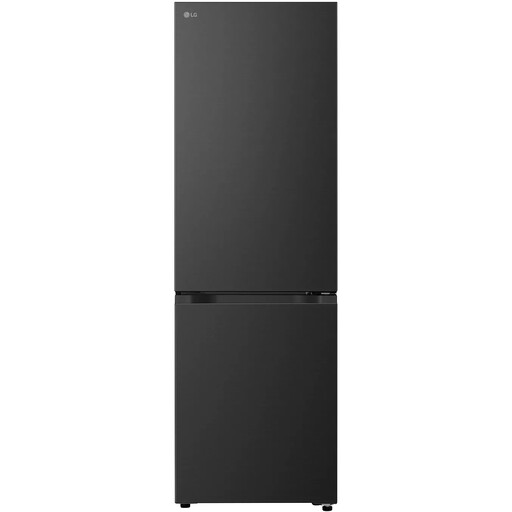 Image unavailable
To keep fresh and frozen food in one appliance, compare the space in each compartment with your usual shopping needs. Check the dimensions, delivery route and installation clearances.
 Image unavailable
The three-door design may suit a household looking to organise fresh and frozen food separately. Measure the space and check the model’s ventilation requirements before installation.
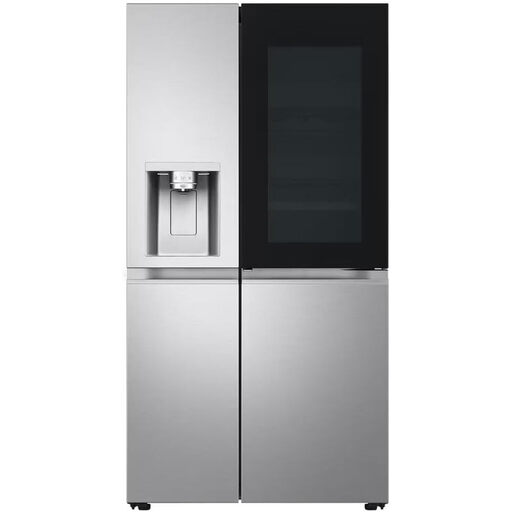 Image unavailable
This large format calls for a careful check of how much capacity you really need. Check the space, delivery route and whether you can connect the water supply for its dispenser.
 Image unavailable
Its listed width may suit a narrow space, but also check that the freezer compartment has enough room for your shopping needs. Low Frost doesn’t remove the need for manual defrosting, so factor that in and check the installation requirements, particularly if the appliance will be in an unheated room.
 Image unavailable
If you prepare several meals to freeze at once, compare the freezing capacity in kg/24 h on the product specifications. Also check the dimensions and clearances needed in your kitchen.
First compare the net fridge and freezer capacities in litres separately, then check annual energy consumption in kWh. The European energy label provides this information. The capacity that suits you also depends on the size of your household and how often you shop.
Not necessarily. Consider one if you regularly run out of room for frozen food in your fridge-freezer. If its compartments are big enough, adding another appliance also means powering an extra unit continuously, as ADEME points out for fridges and freezers.
Measure the height, width and depth of the space, then check the delivery route and how the doors open. Follow the manual for ventilation requirements for the model you buy. Bosch’s general advice on leaving space around a fridge doesn’t replace the installation instructions for your specific appliance.
Yes. Check the noise level and noise class listed for each model. This information helps you compare the appliances you’re considering, although noise may sound different in different homes.