Households that batch cook
You need room for chilled dishes and, depending on how you organise your meals, portions to freeze. Easy access to containers and good air circulation matter too: Anses recommends not overfilling your fridge.


If you need more space for both fresh and frozen food, a fridge-freezer combines the two in one appliance. However, compare the capacity of each compartment separately. If you only need more freezer space, keeping your fridge and choosing an upright or chest freezer may be a better fit, depending on the containers you need to store, the floor space available and how easy the appliance is to access.
You need room for chilled dishes and, depending on how you organise your meals, portions to freeze. Easy access to containers and good air circulation matter too: Anses recommends not overfilling your fridge.
You mainly need freezer space that can accommodate provisions that may be bulky. UFC-Que Choisir recommends considering ease of use, while the drawers in an upright freezer and the compartment in a chest freezer offer different ways to organise your food.
You need to balance storage for fresh and frozen food with the appliance’s footprint, the space needed to open its doors or lid, and the installation requirements for the model you choose.
First decide whether you need more space for both fresh and frozen food, or just more freezer capacity. Then compare the internal layout, installation requirements and energy consumption of the appliances you’re considering.
| What matters | What to check | Consumers concerned |
|---|---|---|
| Balance of fridge and freezer space | Compare the stated usable capacity of each compartment with your needs when you have the most food in stock. | When I batch cook, I need room for chilled dishes and frozen portions at the same time; around 36% of consumers make this balance their priority. |
| Storing frozen food | Check the dimensions of the drawers or compartment against those of your largest containers, and consider how easy it is to reach the back of the appliance. | When I buy in bulk and have bulky packaging, I want to organise and find my provisions without moving everything around; around 29% of consumers prioritise freezer storage. |
| Space and installation | Measure the appliance, the delivery route and the clearance needed to open it. Check the manual for ventilation requirements and the permitted ambient temperature. | In a small kitchen or utility room, I need to be able to install and open the appliance without blocking the way; around 21% of consumers put size and installation first. |
| Electricity and maintenance | Compare the kWh/year ratings of models that suit your needs, and check the maintenance information, spare parts and after-sales service. | If my fridge already suits my needs for fresh food but I need an additional freezer, I want to consider its running costs and maintenance over time; around 14% of consumers prioritise these factors. |
Fridge capacity doesn’t make up for a lack of freezer space: a large total capacity can still hide a compartment that’s too small for your portions.
Compare the stated capacities of each compartment separately with the largest amount of food you’ll need to store and the dimensions of your containers.
A chest freezer may take up more floor space than an upright model. You’ll also need room to open the lid and reach food at the bottom.
Measure the space and delivery route, then check that you’ll be able to open the lid and retrieve food easily.
ADEME reminds consumers that fridges and freezers run continuously. Adding another appliance means more equipment to power and maintain.
Compare the kWh/year ratings of models that suit your needs, and find out about spare parts and after-sales service. Don’t assume that a French repairability index applies to these appliances.
These models show two different configurations: a freestanding fridge-freezer and an integrated fridge with a freezer compartment.
The H4F306WDH1 upright freezer shows how vertical storage with multiple drawers can work.
The CFd 2085 Plus chest freezer shows how a less divided compartment can suit bulky provisions.
The WHM31112 2 chest freezer is an example of a size to compare when you need to store a lot of provisions.
This selection includes fridge-freezers that combine both uses, as well as upright and chest freezers for adding more space for frozen food.
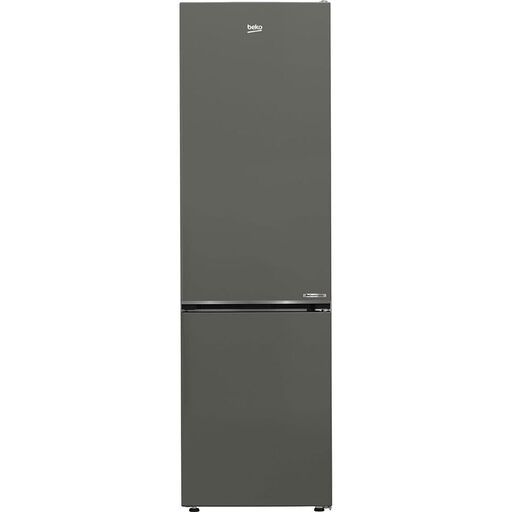 Image unavailable
Store fresh and frozen food in one appliance, with stated capacities of around 249 L for the fridge and 106 L for the freezer.
The product listing specifies Total No Frost, annual energy consumption of 240 kWh and a freezing capacity of 6 kg/24 h. It also lists a reversible door and adjustable feet.
 Image unavailable
Add dedicated freezer space without replacing a fridge that already meets your needs for fresh food.
The stated capacity is 161 L, with three drawers and two shelves. The product listing specifies No Frost protection, an alarm and an adjustable temperature range from −14 °C to −22 °C. This appliance does not have a fridge compartment.
 Image unavailable
Combine fresh and frozen food storage in a side-by-side appliance.
The stated total capacity is 444 L. The product listing specifies Total No Frost in both compartments, annual energy consumption of 289 kWh and an ambient temperature range of 10 °C to 43 °C.
 Image unavailable
Add freezer space in a chest-style compartment, especially if you want a separate appliance for storing provisions.
The title states a capacity of 140 L and includes a storage basket. The product listing specifies a counterbalanced lid, mechanical temperature control and dimensions of 637 × 556 × 846 mm. Allow enough clearance to open the lid.
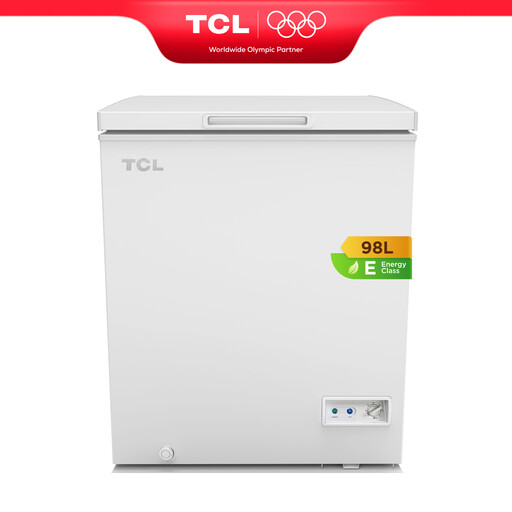 Image unavailable
Add to your existing freezer space with a chest freezer that has a stated capacity of 98 L.
The product listing specifies a storage basket, a counterbalanced lid and a function for switching between fresh and frozen modes. Allow enough clearance to open the lid.
List the containers and provisions you’ll have at the same time during a busy period, then compare fridge and freezer capacities separately. Anses recommends not overfilling your fridge, to allow cold air to circulate.
No. Check the permitted ambient temperature range and the installation instructions for the model you choose. Liebherr states that the CFd 2085 Plus chest freezer features FrostProtect down to −15 °C; this applies to that model and doesn’t automatically apply to other freezers.
Check the installation manual for the required clearances and ventilation openings, then measure the space needed to open the door or lid and access the drawers. The appliance’s external dimensions alone aren’t enough to confirm that it will fit the space.
Anses recommends refrigerating food within two hours of leaving it at room temperature. In its advice published in December 2020, it also recommends aiming for 4 °C in the coldest part of the fridge and not overfilling it. The appliance’s capacity alone won’t guarantee that you follow this advice.
Compare the declared annual energy consumption in kWh of models that meet your storage needs. ADEME reminds consumers that fridges and freezers run continuously, so also compare the usable capacity of each compartment to make sure the appliances suit the way you’ll use them.