Households that mainly buy fresh food
If you mainly buy chilled food to eat within the week and store very little frozen food, start by looking at fridge capacity. For chilled storage, Anses recommends setting your fridge to below 4 °C.


If you mainly store fresh food, prioritise fridge capacity. If you regularly buy both fresh and frozen food, compare the capacity of each compartment in a fridge-freezer. A separate freezer is better suited to extra storage, but it takes up space and runs continuously, so check each appliance’s annual energy consumption and installation requirements too.
If you mainly buy chilled food to eat within the week and store very little frozen food, start by looking at fridge capacity. For chilled storage, Anses recommends setting your fridge to below 4 °C.
If you want to keep both types of food in one appliance, a fridge-freezer is a good fit. Compare the usable capacity of each compartment separately: the total capacity doesn’t show how much space is allocated to each.
For bulk shopping or meals prepared in advance, a separate freezer can provide the extra storage you need. However, you’ll need to plan where to put it and account for the energy use of an additional appliance that runs continuously, as ADEME points out.
Consider this if: you mainly buy fresh food and don’t need to store frozen food in this appliance.
The trade-off: adding a freezer later will take up space and mean running a second appliance continuously.
Consider this if: you regularly store fresh and frozen food but don’t want to install two large appliances.
The trade-off: the space is divided between compartments, so a freezer compartment that’s too small could limit how much you can store.
Consider this if: your priority is extra frozen food storage alongside a space for fresh food.
The trade-off: it won’t replace your everyday fridge, and needs its own space and electricity supply.
| Priority | What to check | Consumers concerned |
|---|---|---|
| Fresh food | Usable fridge capacity; whether you can adjust the temperature to suit your needs. | If most of my shopping is chilled food, I want enough space for it without choosing an unnecessarily large appliance. Around 27% of consumers prioritise this need for chilled storage. |
| Mixed use | Usable litres in each compartment; annual consumption in kWh/year on the energy label. | To regularly store fresh and frozen food in one appliance, I need a split that suits my shopping. Around 33% of consumers put this mixed-use need first. |
| Frozen food storage | Usable freezer capacity; chest or upright design, depending on access and available space. | When I buy food in bulk or prepare meals in advance, the space available for frozen food becomes essential. Around 20% of consumers prioritise this extra storage. |
| Installation and use | Dimensions and door opening; ventilation requirements in the manual and consumption in kWh/year. | If space is limited, I need to be able to install the appliance correctly without overlooking the electricity it will use continuously. These practical considerations are the priority for around 20% of consumers. |
Fridge-freezers can divide their space differently between the fridge and freezer compartments. Bosch’s figures for the KGN497ICT and Whirlpool’s for the WHK25323B5E1 show the difference: 311 L and 129 L for the former, compared with 224 L and 76 L for the latter.
Work out how much space you need for your usual shopping, then compare the usable capacity of each compartment.
Fridges and freezers run continuously. ADEME highlights that size and extra features can affect their energy consumption.
Compare the kWh/year figures for appliances with a capacity that suits your food, and choose features you’ll actually use.
An alcove, door opening or ventilation requirements could make installation unsuitable. Requirements vary by model, particularly for integrated appliances.
Measure the space and check the manual for the exact model, including the housing, clearances, ventilation and any connections required.
A feature designed to reduce frost doesn’t determine how much space there is for your food or the temperature setting in the fridge compartment.
If reduced defrosting appeals to you, check that the model you’re considering has this feature, but compare usable capacity and annual energy consumption too. For the fridge, Anses recommends a setting below 4 °C.
The range includes both freestanding fridge-freezers and fridges without a freezer compartment, depending on the model.
Its freestanding and integrated fridge-freezers come in a range of configurations to suit how you want to divide space between fresh and frozen food.
The brand offers integrated fridge-freezers and freezers. Compare their capacity and installation requirements for each model.
Its chest freezers are worth considering if extra frozen food storage and the space available for the freezer are key factors in your choice.
These fridge-freezers available to browse on Joybuy combine fridge and freezer storage in one appliance. To compare them, weigh their size and listed features against your shopping and the space available. If either is your priority, you should also compare them with a fridge-only model or a separate freezer.
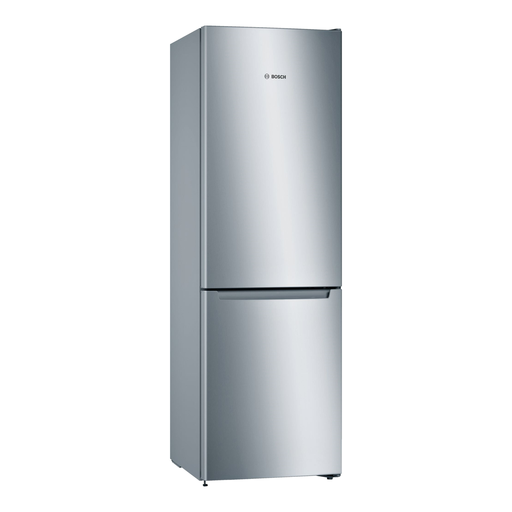 Image unavailable
Worth considering if you want to store fresh and frozen food in one appliance.
Listed total capacity of 282 L; energy rating E. Check the KGN33NLEB manual for installation clearances before deciding where to put it.
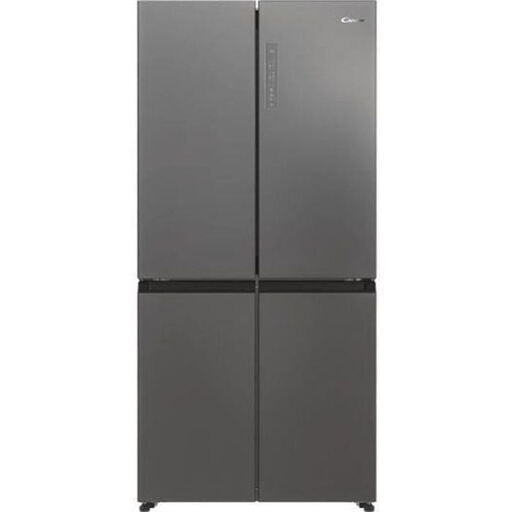 Image unavailable
Its four-door design is worth considering if you’re looking for a fridge-freezer to suit shopping that includes both fresh and frozen food.
Listed total capacity of 467 L, Total No Frost and energy rating E. Check the manual for the clearance needed before installation.
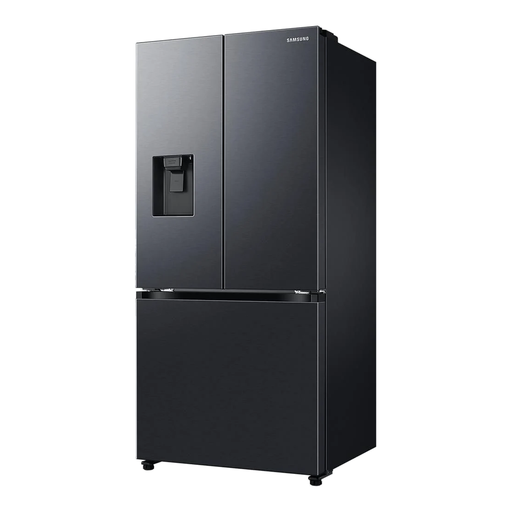 Image unavailable
Worth comparing if you regularly store fresh and frozen food in a multi-door appliance.
Listed total capacity of 495 L; energy rating E. If you plan to use a water dispenser, check the connection requirements for the version on sale and follow the installation instructions.
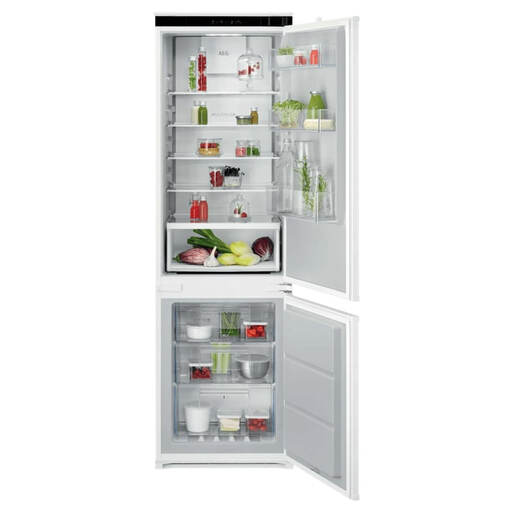 Image unavailable
Worth considering if your kitchen needs an integrated fridge-freezer for fresh and frozen food.
The name indicates TwinTech No Frost and energy rating E. Before buying, check the capacity of each compartment, annual energy consumption and housing dimensions on the product details and in the manual for the exact version.
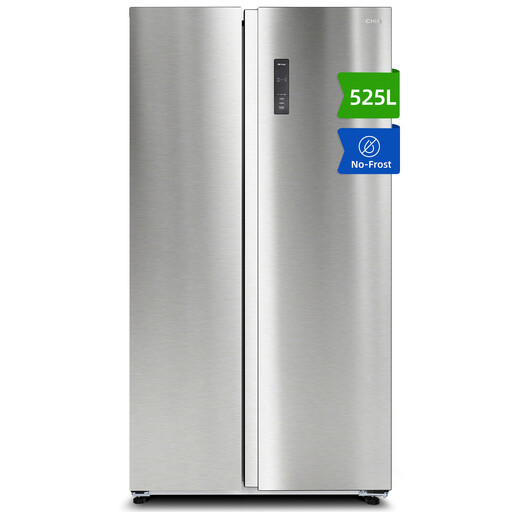 Image unavailable
Worth considering if you want to store fresh and frozen food in separate side-by-side compartments.
The listed specifications include 333 L of fridge capacity, 192 L of freezer capacity, No Frost, 37 dB and energy rating E. Check the dimensions, annual energy consumption and the space needed to open the doors before buying.
When choosing between appliances that suit your needs, compare annual consumption in kWh, usable capacity, noise level and energy rating. The European Commission lists this information on fridge and freezer labels. For a fridge-freezer, compare the fridge and freezer capacities separately rather than looking at the total alone.
Anses recommends setting the fridge compartment to below 4 °C. Check the actual temperature inside the appliance and follow the food storage instructions too. This setting doesn’t apply to the freezer compartment.
No. NoFrost is a feature relating to frost, not how much fresh or frozen food an appliance can hold. Compare the usable capacity of each compartment, then check annual energy consumption and the space it takes up.
Check the appliance dimensions, the housing if required, how the doors open and the ventilation instructions in the manual for the exact model. Also check whether the version you choose needs any connections: appliances in the same category don’t necessarily have the same installation requirements.