What should you compare to suit your shopping habits?
Fridge only
Worth considering if: you mainly buy fresh food and don’t need a freezer compartment in this appliance.
Bear in mind: this set-up doesn’t provide built-in freezer storage.
Fridge-freezer
Worth considering if: you want to store fresh and frozen food in one appliance.
Bear in mind: freezer capacity varies depending on how space is divided in each model.
Separate freezer
Worth considering if: you already have a fridge and want more room for frozen food.
Bear in mind: a freezer alone won’t replace fresh-food storage, and chest and upright models have different layouts.
Separate fridge and freezer
Worth considering if: you need plenty of storage for both fresh and frozen food, or your needs for each are different.
Bear in mind: you’ll need space for two appliances and must add together their annual energy consumption.
| Priority |
What to check |
Who should consider it? |
| Balancing fresh and frozen food |
Compare the usable capacity of each compartment and the layout of the exact model. |
If I split my shopping between fresh and frozen food, I want to know how much space is available for each. Around 33% of consumers concerned put this balance first. |
| Storing fresh food |
Check the fridge capacity, layout and whether or not it includes a freezer. |
If I mainly buy fresh food, I prioritise fridge space without choosing more capacity than I need. Around 27% of consumers concerned prioritise fresh-food storage. |
| Creating a frozen-food reserve |
Compare the capacity and footprint, as well as the drawer layout or top-opening design. |
If my fridge doesn’t have enough room for frozen food or meals I’ve prepared, I look for accessible extra storage and a suitable place to put it. Around 20% of consumers concerned prioritise this extra freezer capacity. |
| Comparing electricity consumption |
Compare the kWh/year figures for the exact models and add them together if you’re buying two appliances. |
If I want to factor in the electricity used by an appliance that runs continuously, I compare the annual consumption figures shown. Around 20% of consumers concerned put this criterion first. |
Fridges and freezers run continuously. ADEME points out that a larger appliance or one with more capacity than you need can increase your bills. The kWh/year figures let you compare the models you’re considering, but they won’t tell you exactly how much you’ll pay at home.
Joybuy products for these needs
This selection includes fridge-freezers for storing fresh and frozen food in one appliance, as well as a separate freezer for extra storage.
 Image unavailable
Samsung RB33B612EBN, 344 L, E energy rating
An appliance with separate compartments for fresh and frozen food.
230 L for the fridge and 114 L for the freezer; stated energy consumption of 254 kWh/year.
The freezer is listed as requiring manual defrosting.
Joybuy
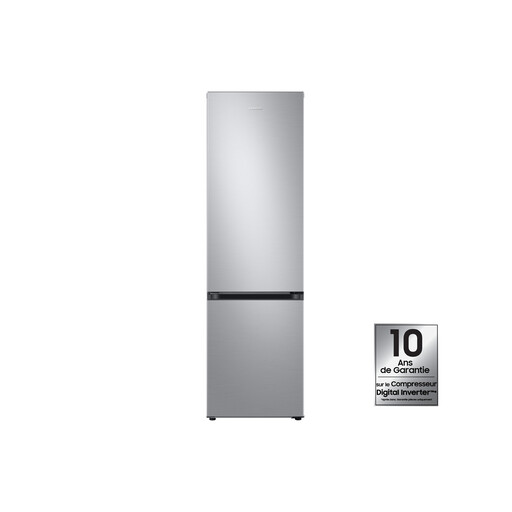 Image unavailable
Samsung RL38C602CSA, 390 L, C energy rating
A fridge-freezer to consider if you want to store fresh and frozen food in one appliance.
276 L for the fridge and 114 L for the freezer; stated energy consumption of 169 kWh/year.
The stated storage layout includes five shelves, four door balconies and three freezer drawers.
Joybuy
 Image unavailable
Heinrich’s Freezer, 161 L, C energy rating
A separate freezer option if you already have fridge space and are looking for extra storage.
161 L, three drawers and two trays; stated temperature range of -14 °C to -22 °C.
No Frost protection is mentioned in the product name.
Joybuy
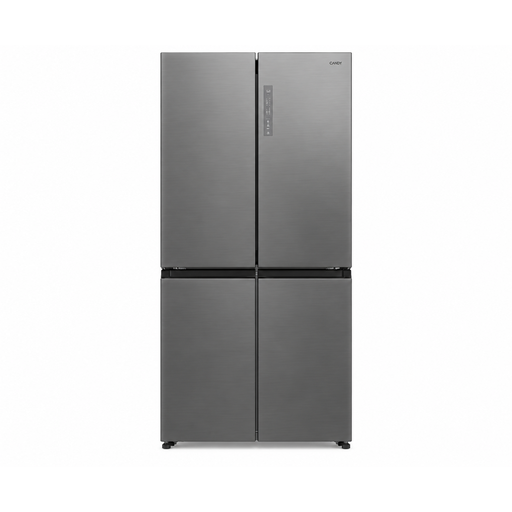 Image unavailable
Candy CFQQ5T817EPS, 467 L, E energy rating
A four-door fridge-freezer for storing fresh and frozen food in one appliance.
311 L for the fridge and 156 L for the freezer; stated energy consumption of 290 kWh/year.
Stated dimensions: 83.3 × 65 × 181.5 cm. No Frost is mentioned in the product name.
Joybuy
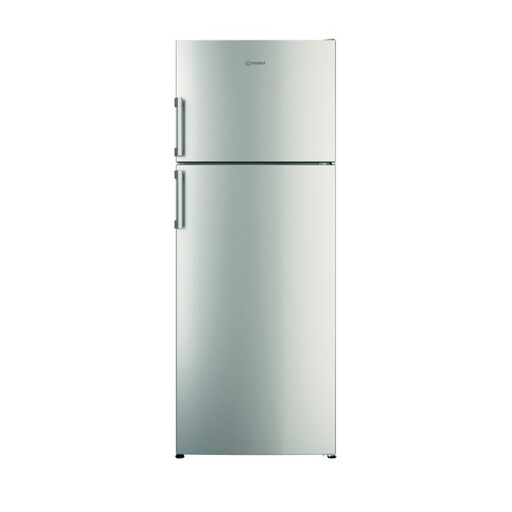 Image unavailable
Indesit IT70 832 S, 437 L, E energy rating
A freestanding appliance for storing fresh and frozen food together.
322 L for the fridge and 115 L for the freezer; stated energy consumption of 254 kWh/year.
The stated freezing capacity is 5.5 kg/24 h. The freezer requires manual defrosting.
Joybuy
Frequently asked questions
How do you compare the energy consumption of a fridge-freezer with two separate appliances?
Check the kWh/year figures for the exact models, then add together the figures for the separate fridge and freezer before comparing the total with the fridge-freezer. To estimate your annual cost, multiply the energy consumption by your own price per kWh. Figures published by ADEME are averages and can’t guarantee what your bill will be.
What should you check before installing a chest or upright freezer?
Measure the space and the route to it, then compare these with the model’s dimensions and installation instructions. For example, Liebherr lists a width of 125 cm for the CFd 2085 chest freezer, while Bosch lists dimensions of 2030 × 600 × 665 mm for the KGN39VLCT fridge-freezer. These measurements apply to those exact models.
Does No Frost mean you’ll never need to maintain the appliance?
No. Bosch describes the No Frost feature on the KGN39VLCT freezer as eliminating the need for manual defrosting, but you should still follow the instructions in the manual. Remember to organise and check your food regularly, too. ADEME recommends keeping track of what’s in your fridge.
What protection applies if an appliance bought from a trader isn’t as described?
In France, the legal guarantee of conformity applies to new, second-hand and refurbished goods sold by a trader to a private individual. It covers, among other things, products that don’t match their description and is separate from an optional commercial warranty. Check the delivery and installation services included in your contract separately.
Is an energy label required for a new fridge sold online in France?
Yes. The French authorities state that energy labelling requirements for fridges also apply to online sales. The DGCCRF specifies that the label and product information sheet must be in French in France. This applies to new appliances covered by these regulations, not indiscriminately to second-hand goods.


