When replacing an energy-hungry cooling appliance, first work out how much space you need for fresh and frozen food, then compare the annual energy consumption of models with a similar size and capacity. A fridge-freezer lets you store both types of food in one appliance; a fridge alone or a separate freezer may suit different storage habits. ADEME points out that an appliance that is too large or has more features than you need can use more energy, so any extra features should serve a genuine purpose.
Who is this option for?
Households replacing an appliance that runs all the time
If your old fridge, fridge-freezer or freezer runs day and night, compare the declared annual energy consumption of models with the capacity you need. ADEME highlights the importance of an appliance’s size and features when it comes to the energy used by cooling appliances.
Households looking to get the capacity right
The number of people in your household isn’t the only factor when choosing capacity. How often you shop and how much space you need for frozen food can help you decide how to divide the capacity between compartments, rather than automatically opting for the largest size.
People who value everyday convenience
In an open-plan kitchen, noise can matter as much as the interior layout. If you’re considering No Frost or a dedicated storage zone, check which compartments these features apply to and what settings are available on the specific model.
Which criteria should you check first?
If you mainly store fresh food and already have a suitable freezer, consider a fridge on its own. If you need to store both fresh and frozen food, compare the two capacities of a fridge-freezer. If you freeze a lot of food, a separate freezer may be a better fit, but it will also run continuously.
| What matters |
What to check |
Who this matters to |
| Electricity consumption |
Compare kWh/year and the A to G rating on the European energy label for appliances of a similar size and capacity. The QR code links to the model’s details in EPREL, according to the European Commission. |
When my old appliance runs all the time, I want to know the replacement’s stated energy consumption before choosing its features. Around 40% of consumers are said to put energy consumption at the top of their list. |
| Capacity and installation |
Check the fresh and frozen food capacities separately, then measure the space, the delivery route and the clearance needed to open the doors. |
If most of my shopping goes in the fridge, I don’t want to give too much space to a freezer I rarely use, or choose an appliance that gets in the way when I open the kitchen door. Getting the size right is said to be the priority for around 40% of consumers. |
| Features and noise |
Check which compartments have No Frost, the settings for dedicated zones and the stated noise level, particularly if the appliance is near a living area. |
In an open-plan kitchen, or if I want to cut down on manual defrosting, I’m looking for features that suit my everyday needs rather than a long list of options. These needs are said to come first for around 20% of consumers. |
Which pitfalls should you avoid?
-
Relying on the energy rating letter alone
On the European energy label, the rating doesn’t replace the annual energy consumption in kWh. Comparing a small fridge with a large fridge-freezer using only the letter ignores their difference in capacity.
First work out the size and usable capacity you need, then compare the rating and kWh/year of models that meet the same needs.
-
Allowing extra capacity “just in case”
ADEME says that the size and excessive features of a cooling appliance can increase energy consumption. A large model also takes up more space in your kitchen.
Start with your shopping and freezing habits. Then check the dimensions, the route to the intended spot and which way the doors open.
-
Assuming all freshness features do the same thing
A compartment kept close to 0 °C, humidity control and a cooling technology don’t necessarily serve the same purpose. The benefits claimed by a brand depend on the model and the conditions it specifies.
Before choosing a feature, check which foods it is intended for, the compartment’s capacity and its settings.
-
Leaving the old appliance until delivery day
A large fridge or freezer needs to be taken away, so arrange its removal at the same time as your new model is delivered.
When you place your order, ask the seller about their collection service and any requirements for access or preparing your old appliance.
Brands to know
Whirlpool
The range includes freestanding and built-in fridge-freezers, with Total No Frost and a choice of interior layouts on selected models.
- For the WFNF82EOXFR, Whirlpool lists a 223 L fridge, a 97 L freezer and Total No Frost.
- Check the capacities, which compartments have automatic defrosting and the installation dimensions for the model you’re considering.
Liebherr
Some Liebherr fridges and fridge-freezers have BioFresh compartments designed for specific fresh foods.
- Liebherr describes BioFresh as providing conditions close to 0 °C, with humidity tailored to different foods.
- The compartment and its configuration vary by model; check the capacities, installation type and noise level too.
Beko
The range includes built-in fridge-freezers with dedicated storage zones on selected models.
- Beko says the BCNA275E4ZSN keeps the air in the fridge and freezer compartments separate and includes a zone stated to be kept at 0–3 °C.
- Before choosing a built-in model, check its capacities, door configuration and the dimensions required for installation.
Fridge-freezers to consider on Joybuy
These models combine a fridge and a freezer in one appliance. Their capacities and features vary, so first choose a split that suits your food and kitchen, then compare the information on their energy labels.
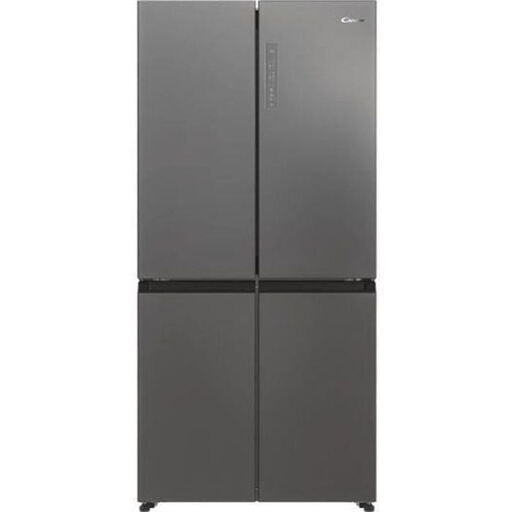 Image unavailable
Candy CFQQ5T817EPS, 4 doors, 467 L
This multi-door model is worth considering if you need plenty of room for fresh and frozen food. The model name lists a capacity of 467 L, an E rating and Total No Frost. Compare its compartment split and kWh/year on the energy label with those of models better suited to your household. Also measure the access route and the clearance needed to open the doors.
View on Joybuy
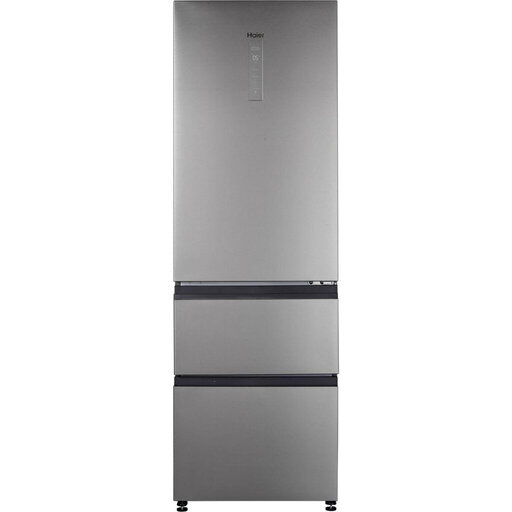 Image unavailable
Haier HTW5618ENMG, 3 doors, 360 L
This fridge-freezer may suit a household looking for two storage areas without choosing a model with a capacity of over 400 L. The model name lists a capacity of 360 L, an E rating, Total No Frost, Wi-Fi and My Zone. Before settling on these features, check the capacity of each compartment, the stated annual energy consumption and the space it will take up.
View on Joybuy
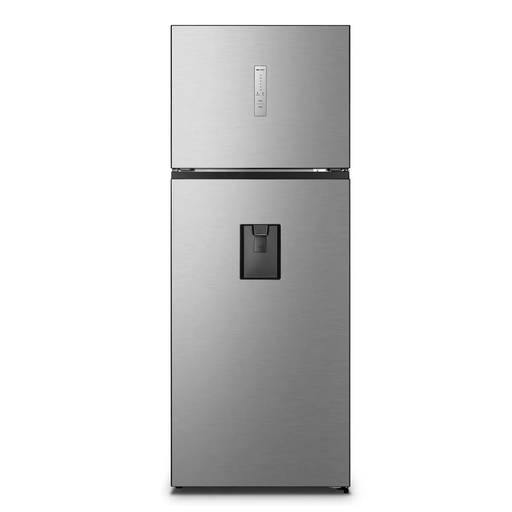 Image unavailable
Hisense FTN461WCE1, 467 L
With a stated total capacity of 467 L, this model is worth considering carefully in light of how much space your household actually needs. The model name lists an E rating and Total No Frost. Check the separate fridge and freezer capacities, kWh/year and dimensions before comparing it with a more compact fridge-freezer.
View on Joybuy
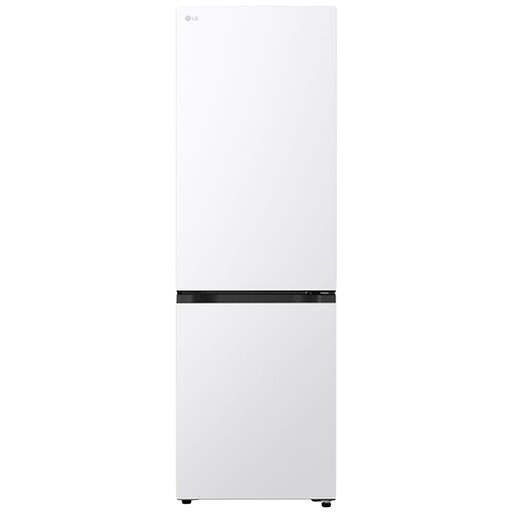 Image unavailable
LG GBBSJ1CCSW, 333 L, white
This 333 L fridge-freezer may be worth considering if you want to keep the overall capacity down while still having two compartments. Its name lists a C rating, along with NatureFRESH, DoorCooling+ and LinearCooling. Check the capacity of each zone and the kWh/year on the energy label; feature names alone don’t tell you whether they’re useful for the food you store.
View on Joybuy
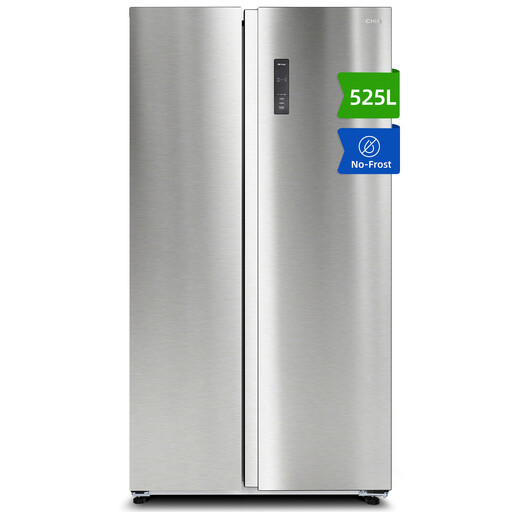 Image unavailable
CHiQ JR525WSE, side-by-side, 525 L
This side-by-side model is designed for households that need plenty of storage in both compartments, provided you have room for it. The model name lists a 333 L fridge, a 192 L freezer, No Frost, an E rating and 37 dB. Before comparing its energy use with another model, check its kWh/year on the energy label and measure the space available.
View on Joybuy
Frequently asked questions
What should you compare on a fridge or freezer energy label?
Compare the A to G rating and annual energy consumption in kWh for appliances that meet similar storage needs. The European Commission says the label also shows capacity and noise level; its QR code takes you to the model’s information in EPREL.
What fridge capacity should you choose for your household?
UFC-Que Choisir suggests using 100 to 150 L for one person as a guide, then adding around 50 L for each additional person. Adjust this starting point to how often you shop, and consider freezer capacity separately if you regularly store frozen food.
Do you need No Frost when replacing your appliance?
No. It’s mainly useful if you want to reduce frost build-up and manual defrosting. Check whether the feature applies to the fridge, the freezer or both on the model you’re considering, rather than relying on the name alone.
Will a larger appliance always use less energy?
No. ADEME warns that the size and extra features of a cooling appliance can increase the energy it uses while running continuously. First choose a capacity that suits your habits, then compare the stated annual energy consumption of similarly sized models.


