Households keeping an eye on electricity use
If you’re replacing an older appliance, compare the kWh/year figures for the models you’re considering. An average consumption figure can’t tell you how much you’ll save by changing appliances.


If you’re replacing a fridge-freezer, start by considering how much space your fresh and frozen food actually takes up. A fridge-only model may be enough if you freeze very little, while a fridge-freezer combines both functions and a separate freezer is suited to regularly needing extra storage. Then compare the capacity in litres of each compartment and the kWh/year figures for models with similar capacities, and check the installation requirements, climate class and noise level of the model you’re considering.
Cooling appliances run continuously, according to ADEME. When choosing a replacement, start with the reason your household needs a new appliance, rather than focusing only on its advertised total capacity.
If you’re replacing an older appliance, compare the kWh/year figures for the models you’re considering. An average consumption figure can’t tell you how much you’ll save by changing appliances.
An alcove, a narrow doorway or the space needed to open the doors can limit your options. Measure the space and delivery route, then check the clearance and installation requirements for the exact model.
If the amount of frozen food you buy or the batch cooking you do changes over time, consider freezer capacity separately from fridge capacity. A separate freezer is mainly worth considering if you regularly need extra storage.
Consider if: you freeze very little food or already have another place to store frozen food.
The trade-off: you won’t have an integrated freezer compartment, so the fridge capacity needs to cover your usual shopping.
Consider if: you regularly use both compartments but don’t need a second appliance.
The trade-off: the capacity is split between the fridge and freezer, so a large total capacity doesn’t guarantee the split will suit you.
Consider if: you regularly buy in bulk or batch cook and need more space for frozen food.
The trade-off: this dedicated capacity takes up space and adds another appliance that runs continuously, as ADEME points out.
| Criterion | What to check | Who it matters to |
|---|---|---|
| Annual energy consumption | Compare the kWh/year figures on the energy label for models with similar capacities; don’t focus on the energy rating alone. | I’m replacing an appliance that stays on all year and want to avoid choosing more capacity than I need. Around 42% of consumers rank electricity use as their main concern. |
| Capacity and installation | Check the capacity in litres of each compartment, the appliance dimensions and, for a built-in model, the dimensions of the housing. | My kitchen has limited space, and fresh food needs to fit without sacrificing useful storage. For around 33% of consumers, having the right capacity and installation fit comes before other criteria. |
| Freezing and everyday use | Check the freezer capacity and stated noise level; look at the interior layout and defrosting features of the exact model. | I regularly store frozen food and want it to be easy to organise, without overlooking noise near living areas. Freezing and everyday use are the top priority for around 25% of consumers. |
The European Commission says that the energy label for cooling appliances shows annual energy consumption, storage capacities and noise emissions. If you’re installing an appliance in a utility room or garage, also check that its climate class is suitable for the temperatures the room may reach.
Two appliances with different capacities may not meet the same needs. The letter alone doesn’t show their annual energy consumption or how their capacities are divided between compartments.
According to the information provided by the European Commission, the label also shows kWh/year and the capacity of each compartment. Compare all these figures together.
A large appliance, or a freezer added for occasional use, may leave capacity unused. ADEME notes that the size of an appliance and having more equipment than you need can increase the energy consumption of appliances that run continuously.
Before choosing a capacity, estimate how much space your usual shopping and frozen food take up. Choose a separate freezer only if you regularly need one.
The dimensions of a freestanding appliance aren’t the same as those of a built-in housing. The climate class must also suit the temperatures expected where the appliance will be installed.
Measure the housing or available space, the delivery route and the clearance needed to open the doors. Check the model’s instructions for clearance requirements and, if it’s a built-in model, the fixing system.
Having to adapt a unit or finding that an appliance won’t fit through the delivery route can make replacement more difficult.
No Frost, LowFrost and connected features are designed for different needs. Their presence alone doesn’t prove that an appliance uses less electricity.
Check the features of the exact model, understand the difference between LowFrost and No Frost when it comes to defrosting, and use the stated kWh/year figure to compare energy consumption.
These ranges give you a starting point for comparing formats and features. The figures quoted apply to the models named, not to every appliance from each brand.
Bosch offers freestanding and built-in fridge-freezers. Compare them based on the space available and the capacity of each compartment.
The range includes freestanding and built-in fridge-freezers. The format you choose determines which measurements you’ll need to check before installation.
Some Samsung fridge-freezers include connected features, while other product listings focus more on capacity and installation details.
These models combine fridge and freezer storage in one appliance. If you’re also considering a fridge-only model or a separate freezer, first work out how much capacity you actually need. Then compare the specifications of the fridge-freezers that suit your choice.
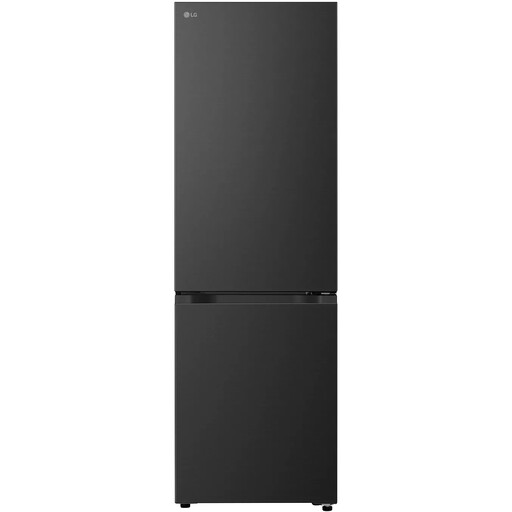 Image unavailable
Worth considering if you want to store fresh and frozen food in one 333 L appliance.
The product name indicates No Frost and an A energy rating. Check its dimensions and climate class to make sure it suits your chosen location.
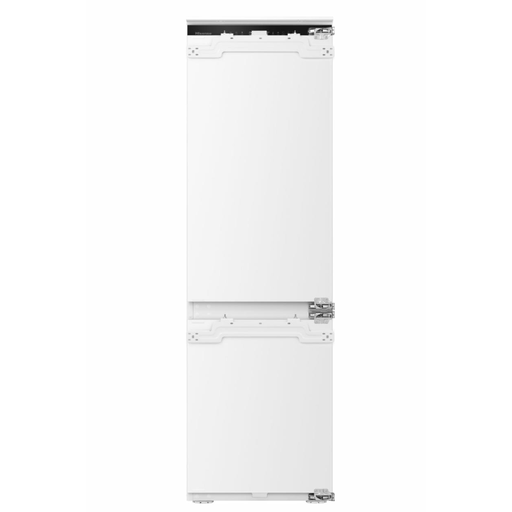 Image unavailable
This built-in model is designed for kitchens with a housing that fits this model. Measure it before choosing.
The product name indicates No Frost, an Inverter compressor and a C energy rating. Also check the required housing dimensions and fixing system.
 Image unavailable
This 344 L fridge-freezer is worth considering if you regularly need to store both fresh and frozen food.
The product name indicates an E energy rating. Check how the capacity is divided between compartments, the dimensions and the kWh/year figure before comparing it with another model.
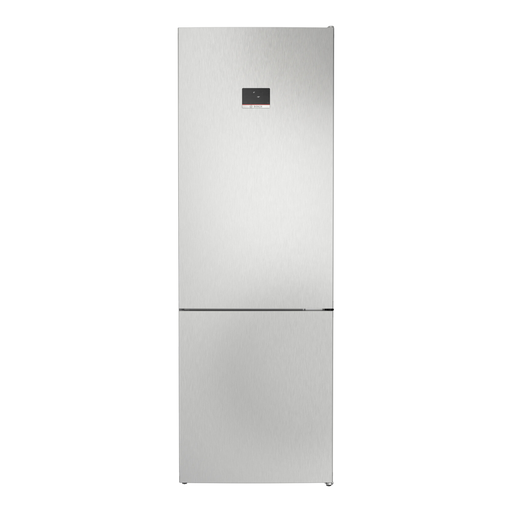 Image unavailable
This 440 L capacity is worth considering if your regular needs justify a large fridge-freezer, rather than keeping extra capacity in reserve.
The product name indicates a D energy rating. Measure the space available and compare the capacity of each compartment and the kWh/year figures with those of other models you’re considering.
 Image unavailable
The four-door design and 467 L capacity are suited to households that regularly need plenty of space for fresh and frozen food.
The product name indicates Total No Frost, a Smart Inverter compressor and an E energy rating. Check the width, clearance and capacity of each compartment before choosing this format.
Compare their kWh/year figures for models with similar capacities and uses, rather than drawing conclusions from the energy rating alone. ADEME points out that cooling appliances run continuously. To assess a replacement, start with the available figures for your old appliance and the model you’re considering, without treating an average as a guaranteed result for your household.
Because two appliances with the same total capacity may divide that space in a way that doesn’t suit your shopping needs. The European Commission lists the capacities of non-frozen and frozen compartments separately for cooling appliances. Compare each one with the amount of space you usually use.
Only if the model’s specified ambient temperature range is suitable for that garage. The climate class defines the ambient conditions in which the appliance is designed to maintain its storage temperatures. Check the class in the product documentation and compare it with the temperatures that the chosen location may reach.