Households storing fresh and frozen food
You’re replacing an appliance that does both jobs. Before comparing annual energy consumption, check that each compartment offers enough space for your needs.


When replacing a refrigeration appliance, first choose fridge and freezer capacities that suit the way you use them, then compare the kWh/year figures for suitable models. A fridge freezer combines both functions, while a larder fridge or separate freezer may suit different needs. If you’re considering two appliances, take the energy consumption of both into account. The age of your old appliance or the energy rating of a new model alone is no guarantee of savings, and neither should determine whether you replace it.
You’re replacing an appliance that does both jobs. Before comparing annual energy consumption, check that each compartment offers enough space for your needs.
You don’t freeze much food and want to check whether a larder fridge will meet your needs, without assuming it can replace a freezer.
You need plenty of freezer space, so you’ll need to consider the room available as well as the energy consumption of the whole set-up you’re planning.
UFC-Que Choisir distinguishes, among other types, between larder fridges and fridge freezers. To compare their energy consumption, the French Ministry of the Economy and Finance recommends checking the energy label and making sure the models offer comparable storage capacity for your needs.
Worth considering: if your main need is to store fresh food. Check the product details to see whether the model has a freezer compartment and, if so, how much space it offers.
Bear in mind: a model without a freezer won’t store frozen food, so you may need another solution.
Worth considering: if you use both compartments every day. Compare their capacities separately, along with the kWh/year figure for the exact model.
Bear in mind: if the space isn’t divided to suit your needs, you may not have enough room in the compartment you use most.
Worth considering: if you need more freezer space than the fridge you’re considering can offer. Check the capacity and available space.
Bear in mind: an extra appliance takes up space and adds to your fridge’s energy consumption.
| What matters to you | What to check | Who prioritises it? |
|---|---|---|
| Chilling and freezing | Compare the usable capacity of both compartments and check the freezing functions of the exact model. | If I regularly store fresh and frozen food, I want to check the capacity of each compartment; around 31% of consumers prioritise this. |
| Energy consumption | Compare the kWh/year figures for models with suitable functions and capacity. If you’re considering two appliances, look at their combined consumption. | If I want to manage the energy use of an appliance that runs continuously, I compare kWh/year rather than relying on the energy rating alone; around 31% of consumers put this first. |
| Capacity and space | Measure the space and access route, then check the dimensions and compartment capacities listed for the model. | If my kitchen is short on space, I want the appliance and its compartments to suit the way I use them; around 25% of consumers prioritise capacity and the space an appliance takes up. |
| Cost and lifespan | To estimate running costs, consider the kWh/year figure and your electricity tariff. Also look into whether a repair might be worthwhile before replacing the appliance. | If I’m weighing up the initial cost and how long I’ll use the appliance, I want to consider my options without assuming its age means I need to buy a new one; around 13% of consumers prioritise this balance. |
The energy rating doesn’t replace comparing kWh/year, capacity and the functions your household needs.
Compare models that meet the same storage needs, then check their declared annual energy consumption. If you’ll keep two appliances running, include the consumption of both.
According to UFC-Que Choisir, some larder fridges have a small freezer compartment and others don’t. They therefore won’t all meet the same needs as a fridge freezer.
Check the product details for the exact model to see whether it has a freezer compartment and how much space it offers.
Bosch’s published cost estimate for the Bosch KGN39VLCT is based on an electricity tariff from June 2024, so it won’t predict your bill.
To make an estimate for your household, use the kWh/year figure for the exact model and your electricity tariff. Without knowing how much energy your old appliance uses, don’t assume replacing it will save you money.
The range mentioned includes freestanding fridge freezers, such as the B1RCNA344W, and built-in models, such as the BCHA306E4SN. Check the installation type of the model you’re considering.
The Rd 5220 Plus is a freestanding larder fridge to consider if your main need is chilled storage.
The H4F306WDH1BE is a separate upright freezer to consider if you need plenty of space for frozen food.
The KGN39VLCT is a freestanding fridge freezer to consider if you want to compare a different capacity split and overall size.
This selection features fridge freezers for households that want chilled and frozen storage in one appliance. Compare the stated capacity and kWh/year figure for each model with your needs and the information in its product listing.
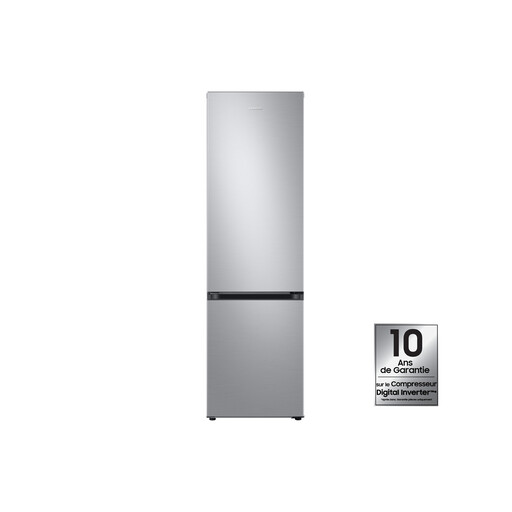 Image unavailable
Worth considering if you’re looking for an appliance that combines fridge and freezer functions.
Stated capacity: 390 L. Stated energy rating: C. Check the product listing for this model to compare its kWh/year figure.
 Image unavailable
Worth considering if you’re looking for a three-door fridge freezer that combines both functions in one appliance.
Stated capacity: 360 L. Check the product listing for this model to verify its kWh/year figure and compartment specifications.
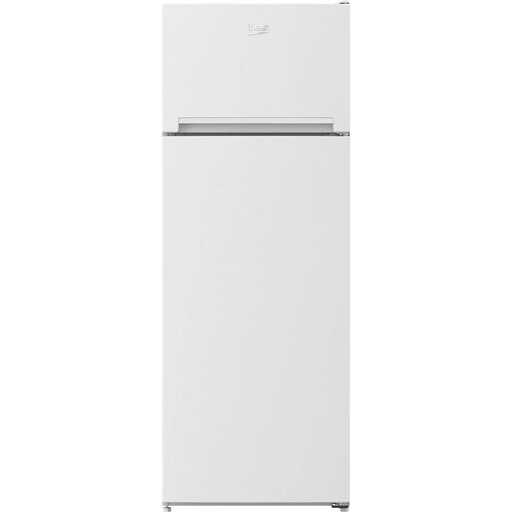 Image unavailable
Worth considering if you’re looking for a fridge freezer with a stated capacity of 223 L.
Stated energy rating: E. Check the kWh/year figure, compartment layout and defrosting instructions in the product listing for this model.
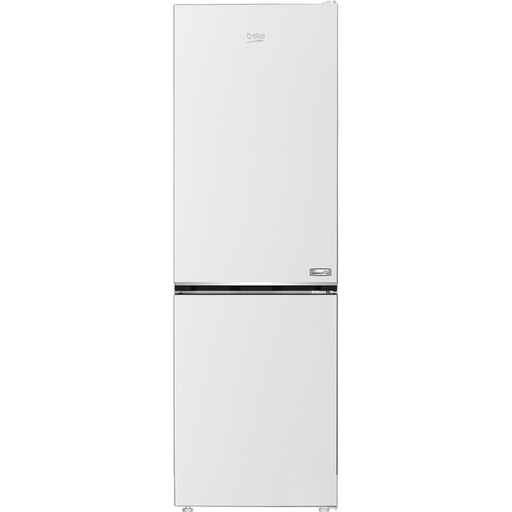 Image unavailable
Worth considering if you want a fridge freezer listed with No Frost.
Stated capacity: 316 L. Stated energy rating: C. Check the product listing for this model to compare its kWh/year figure and verify the compartment specifications.
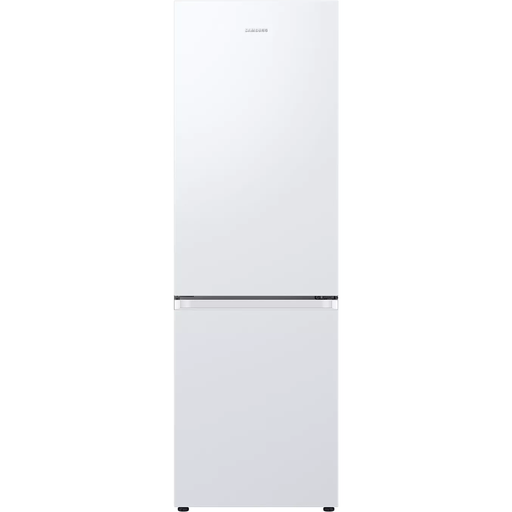 Image unavailable
Worth considering if you’re looking for one appliance that offers both fridge and freezer functions.
Stated capacity: 390 L. Stated energy rating: E. Check the product listing for this model to verify its kWh/year figure and compartment functions.
First check that their functions and capacities suit comparable needs, then compare their annual energy consumption in kWh/year on the energy label or in the product details for the exact model. The French Ministry of the Economy and Finance presents the energy label as a useful point of comparison; the rating alone won’t tell you what it will actually cost your household.
Anses recommends checking that the coldest part of the fridge is at 4 °C, following the appliance instructions, and advises a temperature of −18 °C for home freezing. You should also avoid overfilling the fridge.
No. The age of an appliance alone isn’t enough to determine what’s right for your household. You can look into whether a repair is possible and worthwhile. The repair bonus described by the French Ministry of the Economy and Finance is subject to conditions, including using an approved repairer for an appliance that isn’t covered by a warranty.
Yes. The French Ministry of the Economy and Finance states that the requirement to display an energy label for fridges also applies to online sales. The DGCCRF specifies that labels and product information intended for the French market must be written in French.