What should you compare before deciding?
First, decide whether to repair the appliance. If you’re buying a new one, work out how much fresh and frozen storage you need before comparing energy consumption.
| What matters |
What to check |
Who it matters to |
| Annual energy consumption |
Compare the kWh/year shown on the European label for appliances with similar uses and capacities. Also check the A to G energy efficiency class. |
I want to limit the electricity used by an appliance that stays on all year, without comparing a small fridge with a large fridge freezer. Around 38% of consumers would make comparable energy consumption their priority. |
| Storage layout |
Check the capacity in litres of the fridge and freezer compartments separately, rather than looking only at the total capacity. |
If I mainly store fresh food, I might not use a large freezer compartment. Getting the right balance of space would come first for around 31% of consumers. |
| Repair or replace |
Ask for a diagnosis and quote, and check whether parts are available for the exact model. Also check the conditions for any potential support. |
My appliance isn’t cooling properly: I want to know whether it can be repaired before deciding to replace it. Repair would be the main concern for around 31% of consumers. |
A guide to the brands
There are no brands to feature in this section.
Fridge freezers on Joybuy
These fridge freezers combine fresh and frozen storage in one appliance. Before choosing, check the energy label for the exact model to see how its capacity is divided and how much energy it uses each year. This selection alone won’t help you decide whether to repair your current appliance or choose a separate freezer.
 Image unavailable
Samsung RB33B612EBN, black fridge freezer, 344 L
Worth considering if you want fresh and frozen storage in one 344 L appliance. The listing states an E energy efficiency class; check the energy label for annual consumption and the capacity of each compartment.
View on Joybuy
 Image unavailable
Candy CFQQ5T817EPS, four-door fridge freezer, 467 L, silver
Its four doors may appeal to households looking for a 467 L fridge freezer; make sure this capacity suits your usual storage needs. The listing mentions Total No Frost and an E energy efficiency class. Also check the capacity of each compartment and the kWh/year figure on the label.
View on Joybuy
 Image unavailable
Samsung RF50C530EB1, black multi-door fridge freezer, 495 L
Consider whether you really need 495 L of space for fresh and frozen food. The listing states an E energy efficiency class; check the energy label and make sure you have enough room to install the appliance.
View on Joybuy
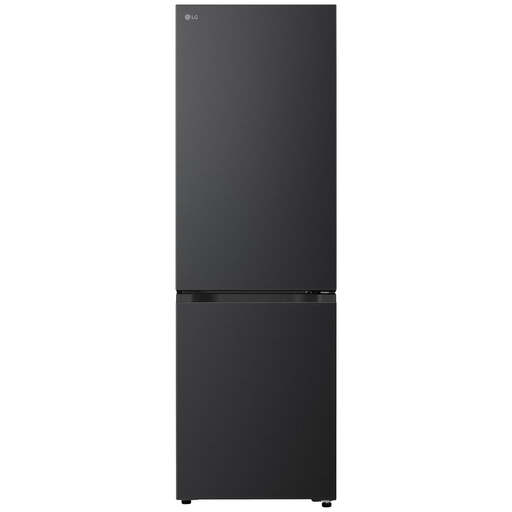 Image unavailable
LG GBBS312CEV, black fridge freezer, 333 L
This fridge freezer may suit a household looking to combine both types of storage in one appliance. The listing states a capacity of 333 L and a C energy efficiency class; check the label for the exact model’s compartment capacities and annual energy consumption before comparing it with other appliances.
View on Joybuy
 Image unavailable
Bosch KGN33NLEB, 282 L fridge freezer, stainless steel finish
Worth considering if a fridge freezer with a bottom freezer suits the way you store food. The listing states a capacity of 282 L and an E energy efficiency class; check the energy label to compare annual consumption, individual compartment capacities and noise level.
View on Joybuy
Frequently asked questions
How do you compare the energy consumption of two fridges or freezers?
Compare their annual energy consumption in kWh when they have similar uses and capacities, rather than relying on their energy efficiency classes alone. The European label introduced by the European Commission also shows fridge and freezer compartment capacities and noise level. Actual energy use will depend, among other things, on how the appliance is used.
Is a larger fridge always more suitable?
No. Work out how much space you need for fresh and frozen food before increasing the total capacity. The ADEME warns that buying more capacity than you need can increase your bill; then compare the kWh/year figures for appliances with capacities that suit your needs.
Could the Repair Bonus cover my faulty appliance?
It may apply to a fridge, fridge freezer or freezer if the appliance, fault and repair meet the scheme’s conditions. These include using an accredited repairer for an appliance that is out of warranty. For these three categories, ecosystem has published a bonus of €25, applicable from 1 January 2026. Check that you’re eligible before the repair goes ahead.
What should you look for on a fridge or freezer energy label?
For the household appliances covered, check the A to G energy efficiency class, annual energy consumption in kWh, the capacities of the frozen and non-frozen compartments, and the noise information. The European Commission says the label’s QR code links to information about the model in EPREL.


