Maintain, replace and choose the right type
Start by checking the condition of your current appliance. If replacing it still makes sense, decide which function and capacity you need before comparing annual energy consumption.
Keep your current appliance
Consider this: if the appliance is keeping food at the right temperature and there’s no fault that calls for immediate replacement, after checking its settings and maintenance.
Limitation: maintenance won’t necessarily reduce high energy consumption; an appliance without fan cooling also needs to be defrosted regularly.
Fridge
Consider this: if you mainly store fresh food and don’t need a large freezer compartment in the appliance.
Limitation: check whether it has a freezer compartment and how much it holds if you want to store frozen food.
Fridge-freezer
Consider this: if you need separate areas for fresh and frozen food in a single appliance.
Limitation: the split between compartments needs to suit your habits; compare its energy consumption with that of fridge-freezers of similar capacity and with similar features.
Separate freezer
Consider this: if you need a separate appliance for your frozen food.
Limitation: a chest freezer needs floor space; if you’re putting it in a cellar or pantry, check the model’s climate class too.
| What matters to you | What to check | Who this applies to |
|---|
| Ongoing energy use |
Compare kWh/year for appliances with the same function and similar capacities. Also check the settings and maintenance of your current appliance. |
I want to limit the electricity used day after day, without choosing features or capacity I don’t need. Around 42% of consumers put energy use first. |
| Capacity and type |
Compare the litres available for fresh and frozen food separately, then measure the space you have available. |
My shopping needs enough room for each type of food, but I don’t want compartments that go largely unused. The right capacity is the top priority for around 33% of consumers. |
| Maintenance or replacement |
Check for frost, inspect the seals and ventilation; if you’re arranging a repair, identify the exact model reference and compatible part. |
Before replacing an appliance that still keeps food at the right temperature, I want to know whether maintenance or a repair will meet my needs. This comes first for around 25% of consumers. |
Fridge-freezers available on Joybuy
These appliances combine fridge and freezer compartments. If you’re considering a fridge-freezer, start with the capacity given for each model, then check the annual energy consumption on the label for the exact model reference.
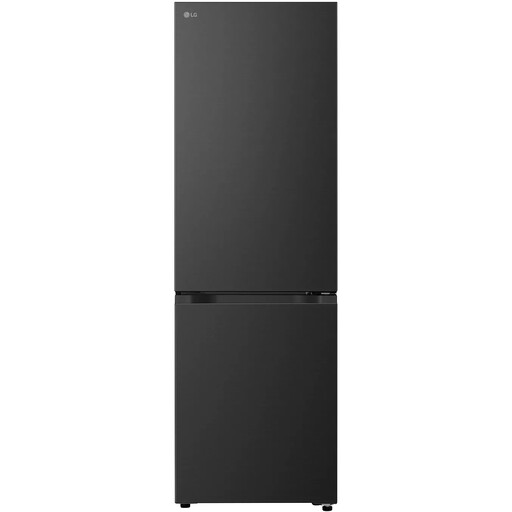 Image unavailable
LG GBBS312AEV, 333 L black fridge-freezer
Worth considering if you want a single appliance for fresh and frozen food. The product name lists a capacity of 333 L, an A rating and No Frost. Check the capacity of each compartment and the annual energy consumption on the label for this model.
View on Joybuy
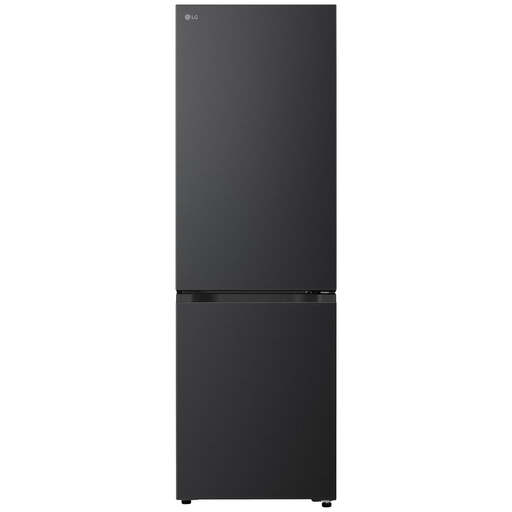 Image unavailable
LG GBBS312CEV, 333 L black fridge-freezer
Worth considering if a total capacity of 333 L suits your needs. The product name lists a C rating and NatureFRESH™, DoorCooling+™ and LinearCooling+™ features. Check the capacity of each compartment and the energy details for the exact model.
View on Joybuy
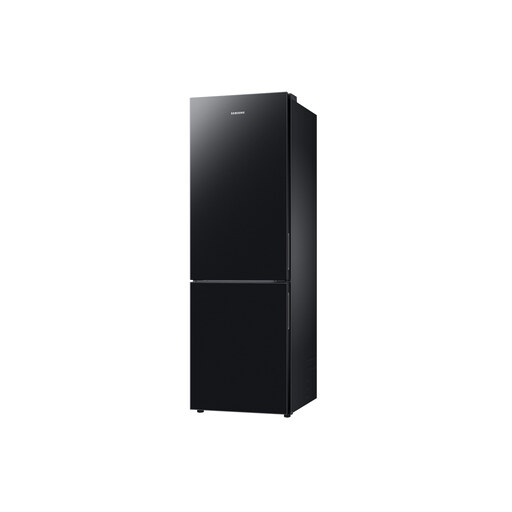 Image unavailable
Samsung RB33B612EBN, 344 L black fridge-freezer
Worth considering if you’re looking for a 344 L fridge-freezer. The product name lists an E rating; check the annual energy consumption and compartment capacities on the label. If defrosting is important to you, confirm the exact feature in the model documentation.
View on Joybuy
 Image unavailable
Bosch KGN33NLEB, 282 L stainless steel fridge-freezer
Worth considering if you’re looking for a fridge-freezer with a bottom freezer. The product name lists a capacity of 282 L and an E rating; check the capacity of each compartment, annual energy consumption and the clearance needed for installation.
View on Joybuy
 Image unavailable
Candy CFQQ5T817EPS, 467 L silver four-door fridge-freezer
Worth considering if you need a large-capacity fridge-freezer and have room to install it. The product name lists a capacity of 467 L, an E rating, Total No Frost and Smart Inverter. Check that the compartment capacities are genuinely useful for you, then compare the annual energy consumption for the exact model.
View on Joybuy
Frequently asked questions
How do I compare two fridges or freezers?
Compare their annual energy consumption in kWh, fresh and frozen capacities, function and features. According to the European Commission, the label also shows the energy rating and noise level; its QR code links to the model information in EPREL. Comparing kWh/year is more useful for appliances with similar capacities.
Does an old appliance always need replacing?
No. According to UFC-Que Choisir, it isn’t always advisable to replace an appliance that’s still working. Check its condition and settings, and look at the energy consumption information you have. Then compare it with that of a suitably sized appliance before deciding.
What should I check before replacing an appliance that still works?
First check the temperatures, seals, any frost build-up and the ventilation space. UFC-Que Choisir recommends setting your fridge to 4 to 5 °C and your freezer to −18 °C, and regularly defrosting appliances without fan cooling.
How can I find out whether a repair is possible?
Note down the appliance’s full model reference, and ask a professional to confirm which part you need if the fault isn’t obvious. Whirlpool offers a part search by model reference, but whether a repair is possible depends on the part and the specific model.


