If you’re replacing your fridge too, choose a fridge freezer with enough freezer capacity for your portions. If you regularly stock up, consider an upright or chest freezer instead, depending on the space available and how you like to access your food. A small freezer compartment may suit you if you only need to store a limited amount of food that’s already frozen, but it may not be suitable for freezing home-cooked meals. Compare the net capacity of the freezer compartment, the dimensions, the defrosting method and the energy consumption of the specific model.
Which option is right for you?
People who regularly prepare several meals
If you freeze meals, sauces or ingredients in portions, start by checking the net freezer capacity and how much room your containers will take up. Then choose between drawers and a chest freezer based on how often you need to access your portions.
Households replacing their fridge too
A fridge freezer combines fresh food and frozen meals in one appliance. Compare the fridge and freezer capacities separately, then check the dimensions and annual energy consumption of the model you’re considering.
People who store only a small amount of frozen food
If you only occasionally buy food that’s already frozen and don’t plan to freeze home-cooked meals, a small freezer compartment may suit your limited needs. Check its star rating and how long you can store the products you put in it.
What should you prioritise?
If you’re preparing meals in advance, first distinguish between freezing home-cooked meals and simply storing food that’s already frozen. The Ministry of Agriculture makes this distinction between freezer compartments and freezers. From there, your choice depends on how much capacity you need and how you prefer to organise your portions.
Fridge freezer
Choose this if: you also need a fridge and the freezer compartment has room for your meals.
Bear in mind: both capacities share one appliance, so the total capacity doesn’t tell you how much space is available for frozen food.
Upright freezer
Choose this if: you want to organise portions and access them from the front.
Bear in mind: its height, door clearance and internal layout need to suit both your room and your containers.
Chest freezer
Choose this if: you’re building up a large stock of food and have room for a freezer that opens from the top.
Bear in mind: you’ll need to organise things carefully to find portions stored at the bottom.
Freezer compartment
Choose this if: you want to store small amounts of food that’s already frozen for a limited time, and don’t plan to freeze home-cooked meals.
Bear in mind: its freezing capabilities and storage times depend on the specific compartment and its star rating.
| Criteria |
What to check |
What matters to shoppers |
| Freezer capacity |
The net capacity, in litres, of the freezer compartment alone, and the space needed for your containers. |
If I prepare lots of portions, I want to store them without giving up the space I need for other frozen food. Around 33% of shoppers prioritise this extra storage capacity. |
| All-in-one appliance |
The fridge and freezer capacities listed separately for each fridge freezer. |
If both appliances need replacing, keeping fresh food and frozen meals together in a fridge freezer matters more than having a separate freezer. This is the priority for around 27% of shoppers. |
| Storage and defrosting |
How easy it is to access portions, the drawers or baskets, and the model’s defrosting method. |
If I often need just one portion, I want to find my containers easily and know what maintenance to expect. Around 20% of shoppers put this everyday convenience first. |
| Energy consumption and installation |
The model’s kWh/year, dimensions, noise level and installation requirements. |
If the appliance has to fit in a tight space, its footprint and energy consumption may matter more than the size of the freezer. These considerations come first for around 20% of shoppers. |
ADEME points out that cooling appliances run continuously. To compare their electricity use, check the kWh/year figures for models with the capacity you need; don’t assume consumption based on the appliance type or brand alone.
Mistakes to avoid
-
Assuming every freezer compartment is a freezer
A freezer compartment designed to store food that’s already frozen may not have the function needed to freeze home-cooked meals. The Ministry of Agriculture distinguishes between these two uses.
If you cook meals to freeze, check the star rating, freezing function and net capacity of the specific compartment.
-
Relying on a fridge freezer’s total capacity
A large total capacity may leave you with less space than expected for frozen meals, as it includes the fridge section too.
Check the fridge and freezer capacities separately, then compare the appliance’s dimensions and the clearances specified in its instructions with the space you have.
-
Assuming every model is frost-free
Frost management varies between models. A feature advertised for one range doesn’t guarantee that the appliance you’re buying has the same function.
Check the cooling technology listed on the product page and consult the instructions to find out what maintenance is required.
If manual defrosting is needed, allow time to empty the appliance temporarily and plan how you’ll manage your food.
-
Planning your portions without thinking about defrosting
According to the Ministry of Agriculture, refreezing food that has been defrosted encourages bacteria to multiply.
Divide meals into portions that suit how you’ll use them, label them and avoid refreezing food once it has defrosted.
Brands to consider for these appliance types
Bosch
The range includes fridge freezers for households looking to combine both functions in one appliance.
- Bosch lists separate capacities of 189 L for the fridge and 90 L for the freezer on its KGN33NWDA product page, making it easier to assess how much room is available for meals.
- These capacities and the advertised No Frost function apply to this model, not all Bosch fridge freezers.
Beko
The range includes upright freezers designed to store frozen food vertically.
- Beko describes the RFNE448E35W as a No Frost upright freezer. Check its internal layout if you’re storing lots of portions.
- Confirm the defrosting function, dimensions and installation requirements on the product page for the model you choose.
Liebherr
The brand’s chest freezers are worth considering if you prefer storage that’s accessed from the top.
- Liebherr offers chest freezers and, in some ranges, a StopFrost function designed to reduce frost.
- Check the capacity and dimensions, and confirm that the specific chest freezer you’re interested in has this function.
Whirlpool
The range includes upright freezers, including models with drawer storage.
- Whirlpool lists a 404 L capacity and No Frost function for its WHFF6403W4E.
- These features apply specifically to the WHFF6403W4E. Check the available space and specifications of the model you choose.
Electrolux
The range includes upright, chest and built-in freezers.
- The Electrolux product page for the built-in KUN7NE18S lists a capacity of 212 L and energy consumption of 236 kWh/year. Consider these figures together for this model.
- A built-in freezer needs a suitable cabinet space; the KUN7NE18S specifications don’t apply to the brand’s other freezers.
Joybuy products to suit your needs
These models let you explore three ways to freeze home-cooked portions: a fridge freezer if you also need a fridge, an upright freezer for front access, or a chest freezer for storage accessed from the top. Compare their capacity and installation requirements with the way you organise your meals.
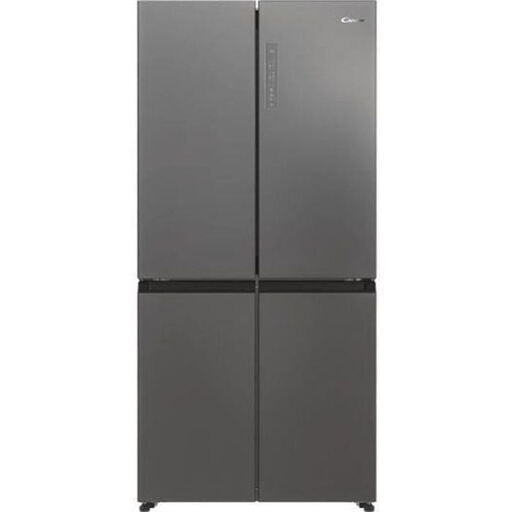 Image unavailable
Candy CFQQ5T817EPS, 467 L four-door fridge freezer
Worth considering if you want to store fresh food and frozen portions in one multi-door appliance.
Advertised total capacity: 467 L; energy class E and Total No Frost technology are indicated in the model name. Check the freezer capacity separately and make sure there’s enough room for the doors to open before choosing where to put it.
View on Joybuy
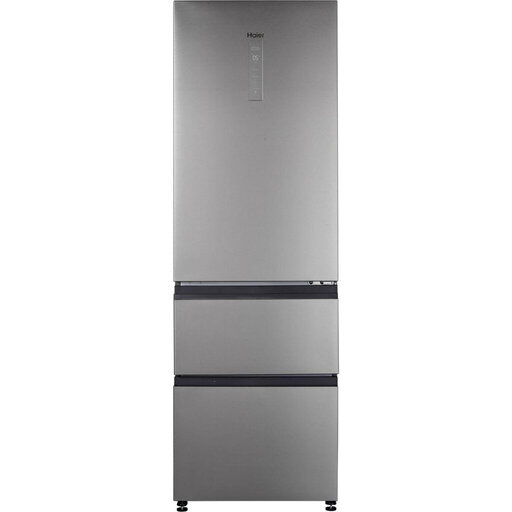 Image unavailable
Haier HTW5618ENMG, 360 L three-door fridge freezer
This fridge freezer is worth considering if you want to keep fresh food and frozen meals in the same appliance.
Advertised total capacity: 360 L; energy class E and Total No Frost are listed in its name. Compare the freezer capacity with the size of your containers, and allow for the ventilation clearances required for installation.
View on Joybuy
 Image unavailable
AUCMA, 291 L convertible chest freezer
In freezer mode, this chest freezer is suited to people who want to stock up on meals and have room for a top-opening appliance.
The product name lists a capacity of 291 L, a removable basket, a five-level digital control and energy class E. Organise portions so you can reach those at the bottom, and check the model’s freezing capacity and defrosting method.
View on Joybuy
 Image unavailable
COMFEE' RCU60WH2(E), 60 L upright freezer
Consider this upright freezer if you prefer front access and 60 L is enough for your portions.
The product name lists a reversible door, adjustable temperature and energy class E. Check the internal layout, annual energy consumption and defrosting method before comparing this model with other upright freezers.
View on Joybuy
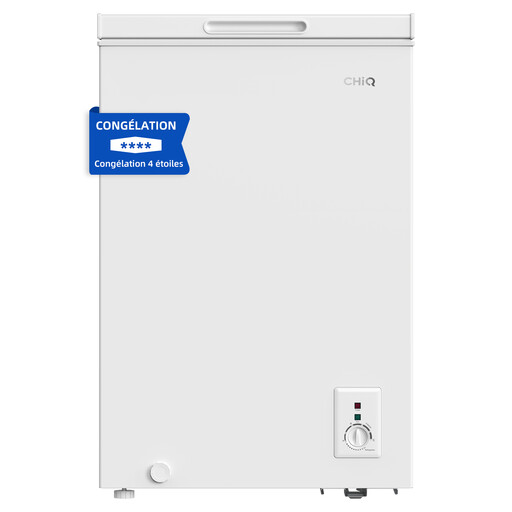 Image unavailable
CHiQ JR99DWE, 99 L chest freezer
This chest freezer may suit you if you want a separate space for frozen meals without opting for a very large capacity.
The product name lists a capacity of 99 L, a four-star rating, an adjustable thermostat, a removable basket and energy class E. You’ll need to allow for manual defrosting; also check the dimensions and kWh/year figures to make sure they suit your space and usage.
View on Joybuy
Frequently asked questions
Is a freezer compartment enough for freezing home-cooked meals?
Not necessarily. A freezer compartment may only be designed to store food that’s already frozen for a limited time. To freeze your own meals, check that the specific compartment has the right function, including its star rating and freezing capacity. The Ministry of Agriculture distinguishes between freezing food and simply storing food that’s already frozen.
What temperature should I set my freezer to?
The Ministry of Agriculture recommends −18 °C for a freezer. Also follow the food storage instructions and the guidance in your appliance manual.
Can you refreeze food once it has defrosted?
The Ministry of Agriculture advises against refreezing food that has defrosted, as this encourages bacteria to multiply. Prepare portions that are the right size to use after defrosting, rather than relying on being able to freeze them again.
Which figures should I compare on freezer product pages?
Compare the net freezer capacity, kWh/year, energy class and noise level of the specific model, taking into account how much capacity you need. The European Commission describes its EPREL database as a way to look up energy information for appliances. An energy class letter alone doesn’t replace comparing capacities.


