First, choose according to how much space you need for fresh and frozen food. A fridge on its own is suitable if you don’t need to freeze food, a fridge-freezer covers both needs, and a separate freezer is a good choice if you regularly need extra storage. Then compare the usable capacities and kWh/year of similarly sized appliances, rather than relying on the energy rating alone. According to ADEME, these appliances run continuously, so choosing one that’s too large or has unnecessary features can increase your electricity bill.
Who is this choice for?
Households keeping an eye on electricity use
If you’re replacing an appliance that runs continuously, compare the kWh/year figures for models with similar sizes and capacities. As ADEME points out, choosing a larger appliance than you need or having several appliances can increase your electricity bill.
Households storing both fresh and frozen food
If you regularly use both compartments, check their capacities separately. The total capacity doesn’t tell you how much room there is for fresh or frozen food; the European EPREL database lists these capacities separately.
Households stocking up on frozen food
If you often freeze meals or buy food in bulk, a separate freezer could meet your needs. You’ll need to make room for it and bear in mind that it’s an additional appliance that runs continuously, as ADEME highlights.
Which criteria should you check first?
First, work out whether you need to keep fresh food, frozen food or both chilled: this will determine which type of appliance to compare. Then check the capacity of each compartment and the annual energy use, rather than choosing based on the energy rating letter alone.
Fridge only
Consider this: if you mainly need to keep fresh food chilled and don’t need to freeze food, or already have a freezer elsewhere.
Bear in mind: it won’t provide the frozen food storage space some households need.
Fridge-freezer
Consider this: if you regularly store fresh and frozen food in the same appliance.
Bear in mind: the freezer compartment may be too small for a large stock of frozen food, even if the total capacity looks sufficient.
Separate freezer
Consider this: if you need dedicated freezer capacity on an ongoing basis.
Bear in mind: it takes up extra space and also runs continuously.
| Criterion | What to check | Consumers’ priorities |
|---|
| Annual energy use |
Compare the kWh/year figures and A to G energy ratings for appliances of a similar type and capacity. |
If I’m replacing an appliance that stays plugged in all the time, I want to keep energy use down without running out of room for my food. Around 31% of consumers prioritise energy efficiency. |
| Storage layout |
Check the capacity in litres for fresh and frozen food separately. |
I regularly store both types of food and don’t want to find that the compartment I use most is too small. For around 31% of consumers, this balance comes before other criteria. |
| Capacity and installation |
Measure the space and check how the door opens. For a built-in model, also check the dimensions of the housing. |
In my kitchen, the appliance needs to fit its space while offering enough useful storage for my household. This is the main priority for around 23% of consumers. |
| Maintenance and features |
Check which compartments have No Frost and which features are included on the exact model. |
If regular defrosting is a hassle for me, I want to know exactly what the appliance takes care of. Around 15% of consumers put easy maintenance first. |
Which mistakes should you avoid?
-
Choosing based on the energy rating alone
The rating letter doesn’t tell you the annual energy use or how much space is available for fresh and frozen food. The European energy label and EPREL product information provide these details separately.
Before comparing energy ratings, check the kWh/year figures and usable capacities of similarly sized models.
-
Choosing too much capacity or features you won’t use
ADEME says that choosing an appliance that’s too large or has too many features can increase the electricity costs of an appliance that runs continuously.
Start with the space you actually use, then consider each additional feature in light of your habits.
-
Assuming a built-in model is like a freestanding one of a similar capacity
Having the right capacity isn’t enough if the housing dimensions, door opening or installation requirements aren’t suitable for your kitchen.
Measure the space and check the installation instructions for the exact model before choosing.
-
Waiting until delivery to decide what to do with your old appliance
An old fridge or freezer should be taken to an appropriate collection point. ecosystem also lists donation as an option for appliances that are still in working order.
Arrange collection, drop-off or donation in advance, depending on the appliance’s condition and the options available near you.
Brands to consider by model
These fridge-freezer examples show different formats and installation requirements. The specifications apply to the models listed, not to every appliance from each brand.
Bosch
The Bosch KGN39AIAU is a freestanding fridge-freezer worth considering if you want the fresh and frozen capacities listed separately.
- Bosch lists a 260 L fridge capacity, 103 L freezer capacity, an A energy rating and 29 dB for this model.
- These specifications don’t apply to other Bosch fridge-freezers. Check its dimensions against the space available, too.
Electrolux
The Electrolux KNT6ME18S4 built-in fridge-freezer is worth considering if the housing and the capacities of both compartments are key to your plans.
- Electrolux lists a 186 L fridge capacity and a 62 L freezer capacity for this model, along with installation information.
- Its product information lists an E energy rating and 217 kWh/year. Check that it fits your housing before comparing it with other formats.
Whirlpool
The Whirlpool WHC18T132FR is another built-in fridge-freezer to consider if storage layout matters to you.
- Whirlpool lists a 182 L fridge capacity and a 68 L freezer capacity for this model.
- Its product information lists an E energy rating and 224 kWh/year. The food preservation features highlighted by the brand don’t prove that it outperforms other models.
Fridge-freezers available on Joybuy
These models combine a fridge and freezer in one appliance. If you’re considering a fridge on its own or a separate freezer instead, use the same approach to check the capacity you need, the space available and the annual energy use.
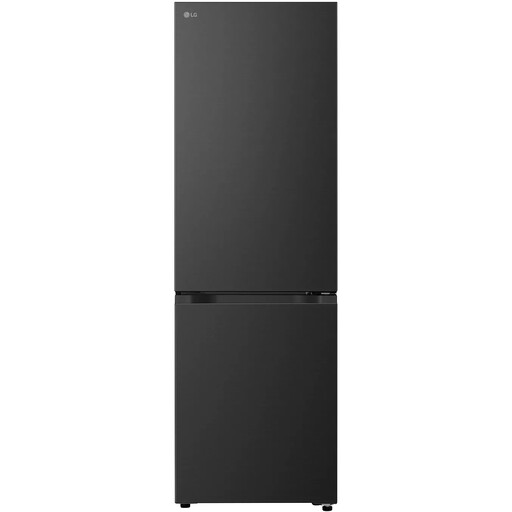 Image unavailable
LG GBBS312AEV, 333 L No Frost fridge-freezer, black
Worth considering if you regularly store fresh and frozen food in one appliance. The product title lists an A energy rating and No Frost; check the label for the capacity of each compartment and the kWh/year figure before comparing this model with other fridge-freezers.
View on Joybuy
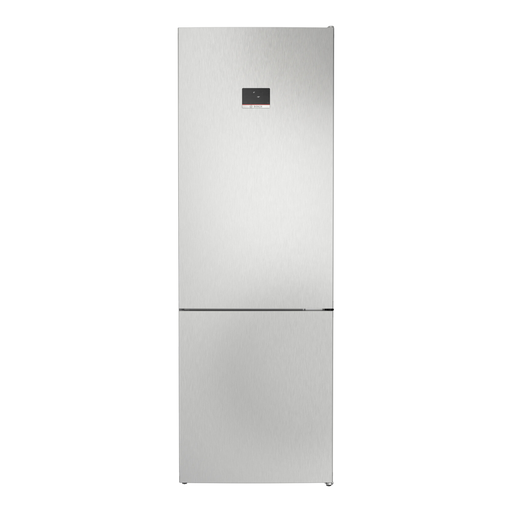 Image unavailable
Bosch KGN497LDF, 440 L fridge-freezer, grey
Worth considering if you’re looking for a high-capacity fridge-freezer for fresh and frozen food. The product title lists a D energy rating. Measure the available space and check the label for the separate compartment capacities and kWh/year figure.
View on Joybuy
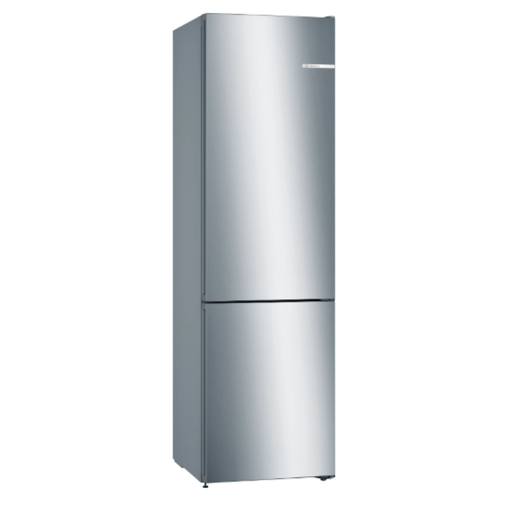 Image unavailable
Bosch KGN39VLEB, 368 L fridge-freezer, stainless steel
Worth considering if you want to store fresh and frozen food in a fridge-freezer. Its Joybuy listing gives an E energy rating and 238 kWh/year; compare these details with the KGN39VLEB energy label and check how the capacity is divided before choosing.
View on Joybuy
 Image unavailable
Bosch KGN33NLEB, 282 L fridge-freezer with bottom freezer, stainless steel
Worth considering if a fridge-freezer with a bottom freezer suits the way you store fresh and frozen food. The product title lists an E energy rating; check the capacity of each compartment and the kWh/year figure on the label for the exact model.
View on Joybuy
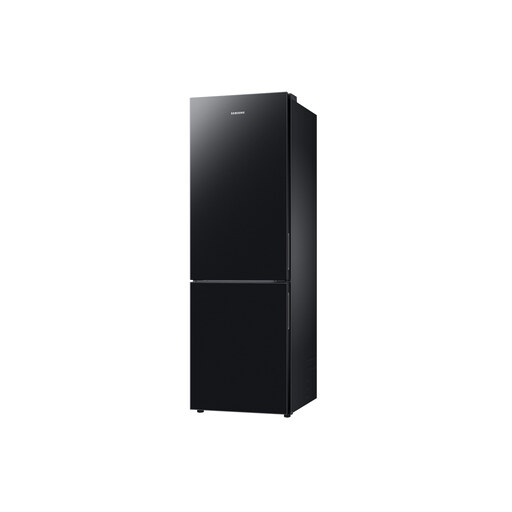 Image unavailable
Samsung RB33B612EBN, 344 L fridge-freezer, black
Worth considering if you want to store fresh and frozen food in one appliance. The product title lists an E energy rating; check the label for the separate compartment capacities and kWh/year figure, and consult the RB33B612EBN product information if the scope of the No Frost feature matters to you.
View on Joybuy
Frequently asked questions
Is a good energy rating enough to help me choose?
No. You should consider the A to G rating alongside the kWh/year figure and usable capacity. To compare two cooling appliances, it’s best to look at models with similar formats and capacities and check their European energy labels.
Why check the fridge and freezer capacities separately?
Because the same total capacity can meet your needs for fresh and frozen food in different ways. The separate capacities shown in the European EPREL product information can help you choose between a fridge on its own, a fridge-freezer and dedicated freezer capacity.
Does No Frost mean the appliance uses less energy?
No. This feature doesn’t replace checking the kWh/year figure on the model’s label. If avoiding manual defrosting is one of the reasons you’re buying, also check which compartments the feature applies to.
What should I do with my old fridge or freezer?
Arrange for it to be collected, take it to an appropriate collection point or donate it if it’s still in working order. ecosystem lists these options for cooling appliances. Check what’s available near you before your new model is delivered.


