What sets these formats apart?
If you want to stick to one appliance, start by comparing the balance between fridge and freezer space. A fridge freezer with a larger freezer compartment may mean you don’t need an additional appliance, but it still needs to leave enough room for fresh food. If you consistently need more frozen storage, look at a separate freezer; if large containers and organisation are your priority, measure the available space before considering a multi-door model.
| Criterion |
What to check |
Who it matters to |
| Frozen food storage |
Compare the freezer compartment capacity in litres and check how easy the drawers are to access. If you freeze food after shopping, check the model’s freezing information too. |
I prepare portions or buy in bulk to keep frozen; running out of space in this compartment would be my biggest problem. Around 33% of consumers would prioritise this storage space. |
| Space for fresh food |
Check the fridge capacity in litres, not just the total volume, then compare it with the size of your containers and the time between shops. |
There needs to be room for fresh food and dishes to keep until my next shop, without filling the entire fridge. Around 27% of consumers would put this need first. |
| Energy consumption |
Compare the kWh/year of appliances with the usable capacities you need. If you’re considering a separate fridge and freezer, add together their stated energy consumption. |
I want enough storage space without overlooking the electricity the appliance uses all the time. Around 20% of consumers would make energy consumption their main priority. |
| Installation and storage |
Measure the space, delivery route and clearance needed for the doors and drawers; check how the compartments are arranged. |
I need to be able to install the appliance and reach the food easily, including wide dishes. Around 20% of consumers would prioritise fitting the appliance and accessing its contents. |
Appliances for storing fresh and frozen food
These appliances combine refrigeration and freezing in one unit, with fridge-freezer, multi-door and Side-by-Side configurations. If you shop less frequently, compare their total capacity with the split you need, then check that the appliance will fit in your kitchen.
 Image unavailable
Candy CFQQ5T817EPS, 4 doors, 467 L, silver
Worth a look if you want to store fresh and frozen food in a four-door appliance. The title states a total capacity of 467 L, Total No Frost and an energy rating of E; check the capacity of each compartment and the space needed for installation.
View on Joybuy
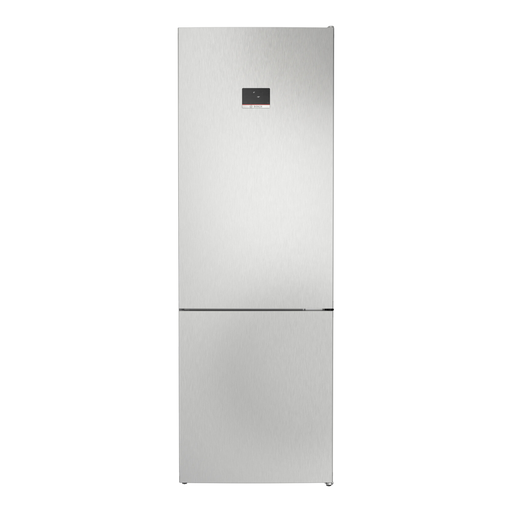 Image unavailable
Bosch KGN497LDF, 440 L, grey
A fridge freezer to consider if you want to keep fresh and frozen food in one appliance. The title states a total capacity of 440 L and an energy rating of D; check how the capacity is divided and make sure you have enough height.
View on Joybuy
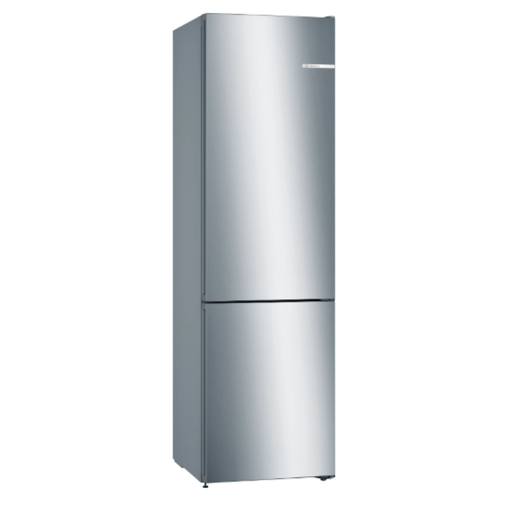 Image unavailable
Bosch KGN39VLEB, 368 L, stainless steel finish
Consider this if a fridge freezer suits your shopping habits and you want to compare different splits between fresh and frozen storage. The title states a total capacity of 368 L and an energy rating of E; check the freezer capacity before planning to store larger amounts regularly.
View on Joybuy
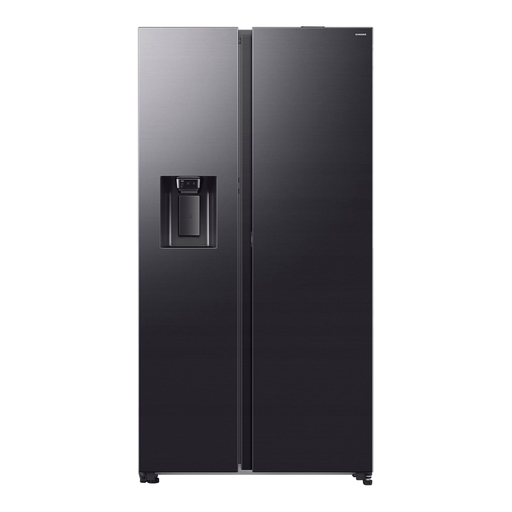 Image unavailable
Samsung RS80F64KEF Side-by-Side, 640 L, black
A Side-by-Side model to consider if you need one large appliance for storing plenty of fresh and frozen food. The title states a total capacity of 640 L; measure the access route, installation space and door clearance, then compare the capacity of each compartment.
View on Joybuy
 Image unavailable
Samsung RF50C530EB1 multi-door, 495 L, black
Worth a look if you want one appliance for fresh and frozen food, with a multi-door layout. The title states a total capacity of 495 L and an energy rating of E; check the installation dimensions and interior layout before choosing.
View on Joybuy
Frequently asked questions
How can I estimate the usable capacity before buying?
Start by estimating the fridge and freezer capacities separately. UFC-Que Choisir suggests 100 to 150 litres for one person as a starting point, then 50 litres for each additional person. Adjust the space you need according to your shopping habits, containers and how much frozen food you keep.
Does a large fridge freezer use less energy than a separate fridge and freezer?
Not necessarily: it depends on the models and usable capacities you compare. Check their kWh/year figures on the energy labels and add together the figures for both appliances if you’re considering a separate freezer; ADEME points out that these appliances run continuously.
What should I look for on the energy label if I want extra storage?
Pay particular attention to the capacities in litres shown for the fridge and freezer compartments, as well as the kWh/year figure. The European energy label also shows the energy rating and noise level; compare these details across models with capacities that meet your needs.
What temperature should I aim for after a big shop?
Anses recommends keeping the coldest part of the fridge between 0 °C and 4 °C. Check the temperature after installation and arrange food without overfilling the appliance, especially just after a big shop.
What should I check about delivery and taking away an old appliance in France?
Check the delivery, installation and collection arrangements before placing your order. The French Ministry for Ecological Transition describes a “one-for-one” take-back scheme linked to buying a product of the same type. Separately, the French Ministry of the Economy states that the statutory legal guarantee of conformity applies to goods bought from a professional seller, whether new, second-hand or refurbished.


