Households mindful of ongoing energy use
You’re replacing an appliance that runs constantly and want to compare kWh/year without choosing a capacity or features you don’t need. The ADEME points out that fridges and freezers run continuously.


First, work out how much space you need for fresh and frozen food, then compare the stated kWh/year for appliances of the same type and similar capacity. A fridge-freezer combines both functions in one appliance; a separate freezer is better suited to larger storage needs, but its energy consumption is in addition to that of your existing fridge. The energy rating and features such as NoFrost don’t replace checking the kWh/year for the exact model.
You’re replacing an appliance that runs constantly and want to compare kWh/year without choosing a capacity or features you don’t need. The ADEME points out that fridges and freezers run continuously.
You store both types of food in one appliance, so the split of usable litres in a fridge-freezer matters more for your shopping than its total capacity alone.
You freeze portions or bulk-buy food and need to decide whether a separate freezer is worth the space it takes up and the extra ongoing energy use.
Consider this if: you mainly buy fresh food and don’t need much frozen storage.
Bear in mind: if you add a freezer later, both appliances will use electricity continuously.
Consider this if: you regularly use both fresh and frozen food and want to store it all in one appliance.
Bear in mind: the freezer compartment may be too small if you batch-cook or leave long gaps between shopping trips.
Consider this if: frozen storage is your main priority and you have room for a separate appliance.
Bear in mind: if you also keep a fridge, add together the stated kWh/year for both models to assess their combined energy use.
Once you’ve chosen the type of appliance, compare the kWh/year and usable capacities of similar models. The ADEME describes the energy label as a useful guide when shopping in France. The European Commission says the product information sheet, accessible via the QR code, includes details such as annual energy consumption, dimensions, capacity and noise level.
| Priority | What to check | Who it matters to |
|---|---|---|
| Energy use and capacity | Compare the kWh/year for appliances of the same type and with similar usable capacities; consider the energy rating alongside this figure. | If I’m replacing an appliance that stays on all the time, I want to avoid unused capacity without running out of room for my food. Around 33% of consumers would put keeping energy use under control at the top of their list. |
| Split between fresh and frozen storage | Check the usable capacity in litres of each compartment in the fridge-freezer separately. | For my usual shopping, I need room for both fresh and frozen food; the total capacity doesn’t tell me how that space is divided. This split would be the top priority for around 27% of consumers. |
| Frozen storage | Check the usable freezer capacity and kWh/year; if you’re keeping a fridge too, factor in its energy consumption as well. | I cook several portions or buy in bulk, so my main concern is having enough room to build up a frozen stock. Around 20% of consumers would make this capacity their top priority. |
| Installation and noise | Measure the space available and, for a built-in model, check the housing and door fixing; compare the stated noise level in dB. | In a fitted kitchen or near living areas, I need to be able to install the appliance and live with its noise level. These considerations would come first for around 20% of consumers. |
A small fridge and a large freezer don’t offer the same capacity or serve the same purpose. The rating alone can’t tell you whether an appliance’s energy use is right for your needs.
Compare the kWh/year for appliances of the same type and with similar usable capacities, then check how many litres you actually need. The ADEME notes that an appliance that’s too large or unnecessary equipment can push up household energy use.
A large overall capacity can hide a freezer compartment that’s too small for the portions you prepare or the food you buy between less frequent shopping trips.
Check the capacity in litres of each compartment on the product information sheet or in EPREL before deciding whether a fridge-freezer will be enough.
If an appliance’s dimensions or door fixing aren’t suitable for your kitchen, you won’t be able to install it as intended.
Measure the housing and check the door-panel fixing, which way the door opens, and the written terms for delivery, removal of your old appliance and installation.
This feature manages frost build-up; its presence doesn’t prove that a model uses less energy than another.
Check the stated kWh/year for the exact model and compare it with appliances of a similar type and capacity.
These brands offer fridge-freezers with different configurations that may help you decide. Check the specifications of the exact model rather than assuming they apply across an entire range.
The range includes freestanding and built-in fridge-freezers. Compare the options based on the space available and the split you want between fresh and frozen storage.
The range includes fridge-freezers with various capacities and, depending on the model, a NoFrost function.
The range includes built-in and freestanding fridge-freezers, which may be worth considering if your kitchen layout limits your options.
These models combine refrigeration and freezing in one appliance. To choose between them, compare their stated capacities with your habits, then check the energy label for the exact model to compare kWh/year.
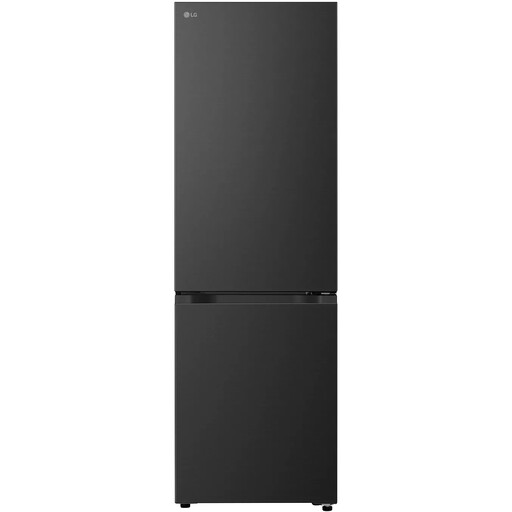 Image unavailable
Worth considering if you want to combine fresh and frozen storage in a 333 L fridge-freezer.
The product name states No Frost and an energy rating of A. Check the kWh/year on the label for the exact model to compare its energy use.
 Image unavailable
Its stated total capacity of 467 L is worth considering if your shopping calls for plenty of fresh and frozen storage.
The product name states Total No Frost and an energy rating of E. Check the capacity of each compartment, the dimensions and the kWh/year before choosing this style.
 Image unavailable
Worth considering if you’re looking for a large capacity for fresh and frozen food in one appliance.
The product name states 495 L and an energy rating of E. Check the door configuration, how the capacity is divided and the kWh/year for the exact model before ordering.
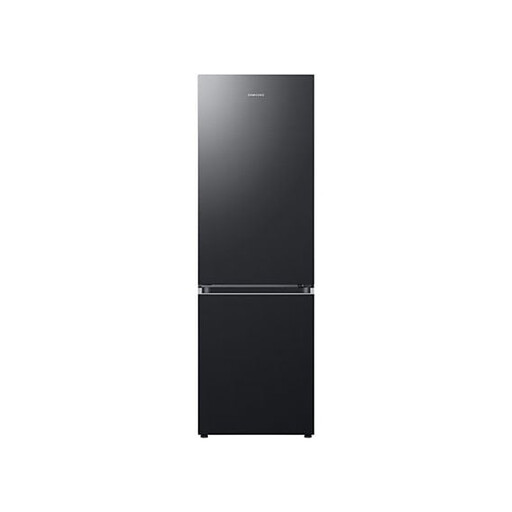 Image unavailable
This fridge-freezer may suit regular use of both the fridge and freezer compartments, provided their respective capacities work for your shopping habits.
The product name states 344 L and an energy rating of D. Check the kWh/year on the label and all the dimensions, especially the depth, to make sure it fits your space.
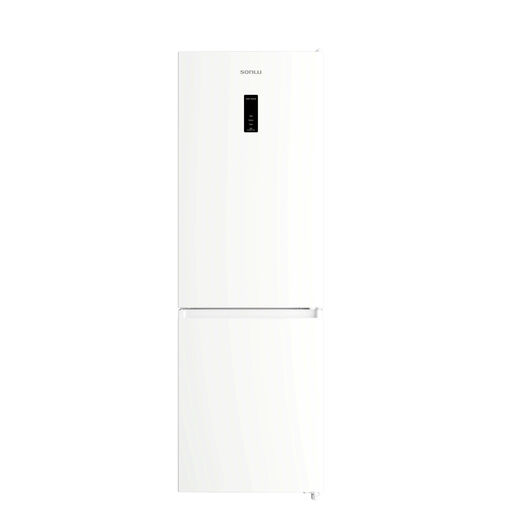 Image unavailable
Worth considering if the stated split of 211 L for fresh food and 99 L for frozen food suits your habits.
The product name states a width of 60 cm and reversible doors. Check the height, depth and kWh/year for the exact model before choosing.
Yes, for the appliances covered: the ADEME says the label is provided for fridges sold online and in shops. EU Regulation 2019/2016 covers, among other things, electric refrigeration appliances with a capacity of more than 10 litres and up to 1,500 litres. Check the label for the model being sold.
No: the rating doesn’t replace the kWh/year figure or usable capacity. A fridge, fridge-freezer and freezer each serve different needs, so it’s best to compare models of the same type and with similar capacities.
It takes you to the model’s product information sheet in EPREL. The European Commission says you can find details there such as annual energy consumption in kWh, capacity, dimensions and noise level. Compare these details with your available space and storage needs.
No: the presence of NoFrost doesn’t mean an appliance uses less energy. Liebherr describes the feature as a way to limit frost build-up. To compare energy use, check the kWh/year for models of a similar type and capacity.
Check the dimensions of the housing, the door-panel fixing and which way the door opens. Also check the delivery, removal of your old appliance and installation options for the appliance you’ve chosen, rather than assuming these services are included.