Households doing a varied weekly shop
You store fruit, vegetables, other fresh food, leftovers and a few frozen items until your next shop. The usable space in each compartment matters more than the total capacity shown.


For a weekly shop that includes both fresh and frozen food, a fridge-freezer gives you both compartments in one appliance. A fridge with a small freezer compartment is better suited to occasional freezing, while two separate appliances let you size each space independently, if you have room. UFC-Que Choisir suggests starting with 100 to 150 L for one person, then adding 50 L for each additional person. Next, check how the capacity is divided, the space available, energy consumption and the noise level of the model you’re considering.
You store fruit, vegetables, other fresh food, leftovers and a few frozen items until your next shop. The usable space in each compartment matters more than the total capacity shown.
You prepare meals in advance or regularly keep frozen food. The freezer’s capacity, drawers and freezing performance may matter more to your choice than the size of the fridge alone.
You need to make sure the appliance will fit, that the doors can open and that ventilation requirements are met. It’s also worth comparing the room temperature, annual energy consumption and stated noise level before opting for a larger capacity.
First work out how much space you need for fresh and frozen food, then check that the configuration you choose will work in your kitchen.
Consider this if: you mainly buy fresh food and only keep a small amount of frozen food.
Bear in mind: the freezer compartment takes up space that could otherwise be used for chilled food, and may be too small if you regularly freeze meals.
Consider this if: your weekly shop includes fresh food, leftovers and frozen items, but you don’t have space for two appliances.
Bear in mind: the balance of fridge and freezer space depends on the model. The total capacity may look right, but one compartment could still be too small for your needs.
Consider this if: freezing portions or storing a large amount of frozen food is a priority, and you have room for two appliances.
Bear in mind: each appliance takes up space and has its own installation requirements and energy consumption.
| Criteria | What to check | Who it matters to |
|---|---|---|
| Space for fresh food | Compare the fridge’s usable capacity in litres and the layout of its drawers and shelves. UFC-Que Choisir suggests starting with 100 to 150 L for one person, then adding 50 L for each additional person, adjusting this to suit your shopping habits. | If most of my weekly shop is fresh food, I want to be able to put it away without leftovers hiding the items I need to use. Around 45% of consumers may prioritise this space for fresh food. |
| Frozen food storage | Check the freezer’s net capacity and drawers, and, if you freeze food yourself, the model’s stated freezing capacity. | When I prepare several portions in advance, I need enough room to store them alongside the frozen food I already have. Freezing may be the main priority for around 33% of consumers. |
| Installation and use | Measure the space and check that the doors can open, then consult the manual for ventilation requirements and the climate class. Also compare the stated annual energy consumption and noise level. | In a narrow kitchen or open-plan living space, I need to be able to install the appliance correctly while taking its noise and energy consumption into account. These considerations may come first for around 22% of consumers. |
Two fridge-freezers can divide their capacity differently between fresh and frozen food. So a total figure in litres doesn’t tell you whether both compartments will hold your usual shop.
Check the usable capacity of the fridge and freezer separately, then compare it with the food and containers you store regularly.
A compartment that works for a small supply of frozen food can become restrictive if you prepare several meals to freeze or buy a lot of frozen food.
Work out how many portions and packets you’ll need to store at once. Check the compartment’s capacity, star rating and the model’s freezing capacity.
Installing an appliance near a heat source or without enough airflow can affect how well it works. The required clearances depend on the model and how it is installed.
Measure the space and follow the model’s instructions on the clearances required, including if the appliance is going into an alcove.
These features can make defrosting or organising food easier, but they don’t replace keeping the fridge at the right temperature and checking it regularly. According to Anses, maintaining an even temperature also matters for the cold chain.
Compare these features with the model’s capacity and cooling specifications, and plan to check the temperature during use.
Freestanding fridge-freezers to consider if you’re looking for separate space for fresh and frozen food. Compare the specifications of each model individually.
Freestanding and built-in fridge-freezers to consider, depending on the space available and the type of installation you have planned.
Built-in fridge-freezers to consider if the capacity split and installation requirements suit your kitchen.
These models combine a fridge and freezer in one appliance. For your weekly shop, compare the capacity of each compartment with your needs, then check the installation requirements for the model you choose.
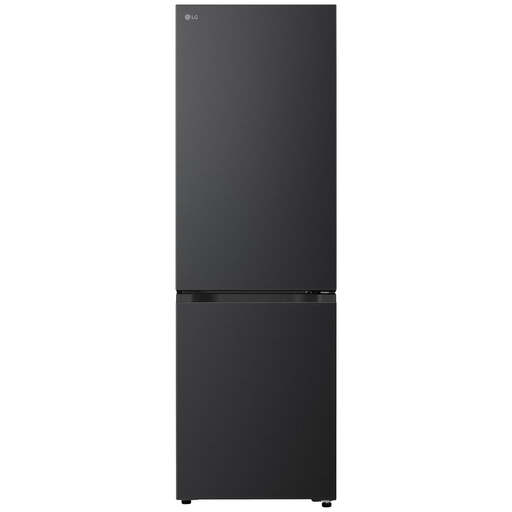 Image unavailable
Worth considering if you want to store fresh and frozen food in one fridge-freezer for your weekly shop.
Stated total capacity of 333 L; energy rating C. Compare the capacity of each compartment with your storage habits and check the installation requirements in the manual.
 Image unavailable
Worth considering if a multi-door fridge-freezer suits your shopping needs and your kitchen can accommodate its size.
Stated total capacity of 495 L; energy rating E. Before buying, check the space needed to open the doors and the features of the exact configuration.
 Image unavailable
Worth comparing if you store a lot of fresh food and also want plenty of freezer space.
Stated capacity of 333 L for the fridge and 192 L for the freezer; No Frost, 37 dB and energy rating E. Measure the space and check the required clearances in the manual.
 Image unavailable
Worth considering if you want to store fresh and frozen food in a fridge-freezer with a bottom freezer.
Stated total capacity of 282 L; energy rating E. Compare the space for fresh and frozen food separately, then check the installation requirements in the manual.
 Image unavailable
Worth considering if you want two separate compartments in a kitchen where width is a key consideration.
Stated capacity of 153 L for the fridge and 74 L for the freezer; 54 cm wide, 4-star freezer, Low Frost and energy rating E. Low Frost may not eliminate the need for manual defrosting; also check the installation clearances.
UFC-Que Choisir suggests starting with 100 to 150 L for one person, then adding 50 L for each additional person. Adjust this guide to how often you shop, and check separately how much space you need for fresh and frozen food.
Anses recommends a temperature of between 0 °C and 4 °C in the coldest part of the fridge. Whichever model you choose, check the temperature during use and store food in the appropriate areas.
It depends on the range of ambient temperatures the model can handle. Check its climate class on the rating plate or in the manual, then compare it with the temperatures your garage may reach.
Follow the clearances specified in the manual for your chosen model, especially for a built-in appliance. UFC-Que Choisir generally recommends leaving at least 10 cm above and behind an appliance, but this doesn’t replace the installation instructions for your model.
Compare their energy labels and stated annual energy consumption, ideally choosing appliances with a similar capacity and installation type. The European Commission describes the label as a tool for comparing energy efficiency; it doesn’t replace checking that the usable capacity meets your household’s needs.