Start by thinking about what you store: choose a fridge if you mainly keep fresh food, a fridge-freezer if you regularly use both fresh and frozen food, or a separate freezer if you need plenty of frozen storage. Then compare the capacity of each compartment and the kWh/year figures for the models you’re considering. No format guarantees lower electricity use on its own.
Who are these options for?
Households that mainly buy fresh food
If you cook with fresh ingredients and store few frozen foods, check how much fridge space you really need before choosing a large freezer compartment. Then compare the kWh/year figures for models with a suitable capacity.
Households that use both fresh and frozen food
If your regular shopping includes both, a fridge-freezer brings your storage together in one appliance. Check the capacity of each compartment separately: a sufficient total capacity can hide a freezer compartment that’s too small for your needs.
Households that freeze food in bulk
If you regularly store large quantities of frozen food, consider the usable capacity of a separate freezer as well as the space it needs. Your choice between an upright freezer and a chest freezer also depends on how often you need to access the food inside.
Which criteria should you check first?
First work out how much space you need for fresh and frozen food, then compare the stated annual energy consumption of appliances that meet those needs. ADEME points out that refrigeration appliances run continuously, and that an oversized appliance or one with more features than you need can increase your electricity costs.
| What matters to you |
What to check before buying |
Who this is relevant to |
| Space for fresh food |
Compare the fridge capacity in litres with your usual shopping, then compare the kWh/year figures of models with a similar capacity. |
If I mainly store fresh food, I don’t want to give up a lot of space to frozen food that I rarely buy. Around 20% of consumers prioritise having the right amount of fridge space. |
| Mixed use |
Check the fridge and freezer capacities of a fridge-freezer separately, along with its stated annual energy consumption. |
If I regularly shop for both types of food, I want enough space in each compartment. For around 33% of consumers, getting the right balance of fresh and frozen storage comes before other criteria. |
| Plenty of frozen storage |
Check the usable freezer capacity and the kWh/year figure for the freezer you’re considering; a separate appliance also runs continuously. |
When I freeze large shops or meals prepared in advance, storage capacity is essential. This is the top priority for around 27% of consumers. |
| Space and access |
Measure the available space and access routes. For a freezer, compare the drawer access of an upright model with the floor space needed for a chest freezer. |
If space is limited, I need to be able to install the appliance and reach its contents easily. Around 20% of consumers prioritise where the appliance will go and how easy it is to access. |
Which mistakes should you avoid?
-
Relying only on the energy label rating
Appliances in different energy classes can also vary in capacity and compartment layout. The label shows annual consumption in kWh and the capacities, helping you see what each model offers.
Compare the kWh/year figures of appliances that can meet your needs for fresh and frozen food, then check their dimensions and noise levels.
-
Choosing a capacity or features you won’t use
ADEME says that the size and extra features of a refrigeration appliance can increase electricity costs. For example, it’s worth considering whether you’ll really use an ice maker that’s available all the time.
Decide how much space you need in each compartment and which features you’ll use before comparing the energy consumption of the models on your shortlist.
-
Overlooking the location and ventilation
UFC-Que Choisir points out that placing a refrigeration appliance near a heat source or limiting airflow can increase its energy consumption.
Measure the space you have in mind and follow the ventilation clearances specified in the model’s instructions.
-
Putting a chest freezer in any spare room
Having enough space doesn’t guarantee that a garage, cellar or utility room will stay within the temperature range needed for the model to work properly.
Before choosing a location, check the temperature range for its climate class, the floor space it needs and how easily you can access what’s inside.
Brands to know
Bosch
Bosch offers freestanding and built-in fridge-freezers, with different kitchen layouts to consider depending on the model.
- The range includes a variety of capacities and layouts, as well as models with No Frost.
- Check the capacity of each compartment, dimensions and kWh/year for the specific model you choose: these features aren’t the same across the whole range.
Liebherr
Liebherr offers fridges and fridge-freezers, some of which come with BioFresh compartments, depending on the model.
- These compartments may appeal to households that want to store different types of fresh food separately.
- The food-preservation benefits highlighted by Liebherr depend on the food and compartment conditions; they don’t indicate lower electricity costs. Compare the capacity and kWh/year figure for the model.
Beko
The Beko range includes fridges, fridge-freezers and freezers, with different cooling systems depending on the model.
- Beko’s product information distinguishes between static, fan-assisted and fan cooling, including No Frost.
- Fan cooling can dry out unwrapped food. Check which technology is used in each compartment and the annual energy consumption of the model you’re considering.
Whirlpool
Whirlpool offers fridges and fridge-freezers in several configurations, including some No Frost models.
- Whirlpool describes No Frost as a feature designed to prevent ice from building up.
- This feature alone doesn’t tell you how much energy a model uses. Also check its capacity, kWh/year figure, noise level and installation requirements.
Fridge-freezers available on Joybuy
These five appliances each have a fridge compartment and a freezer compartment. To choose between them, start with the stated capacity and the space you have available, then compare the capacity of each compartment and the kWh/year figure on the label for the specific model. This selection of fridge-freezers doesn’t cover the choice of a fridge or a separate freezer.
 Image unavailable
Samsung RF50C530EB1 multi-door fridge, 495 L, black
Worth considering if you want one large-capacity appliance for both fresh and frozen food. The product name states 495 L and energy class E. Check how that capacity is divided, the kWh/year figure, the dimensions and the clearance needed for this model.
View on Joybuy
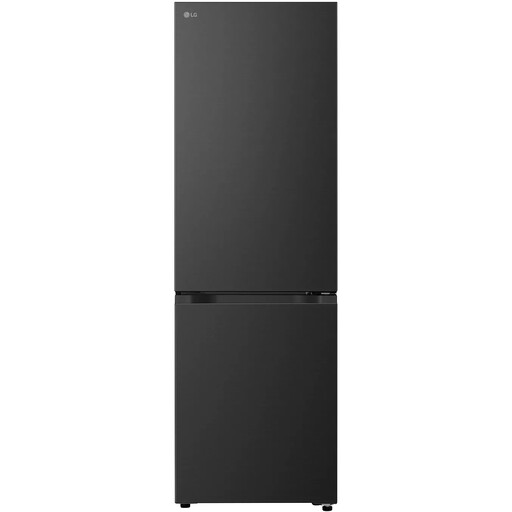 Image unavailable
LG GBBS312AEV No Frost fridge-freezer, 333 L, black
Worth considering if you regularly use both fresh and frozen food and want them in one appliance. The product name states 333 L and energy class A. Check the separate compartment capacities and kWh/year figure on the label, as well as the ambient temperature range recommended for the room.
View on Joybuy
 Image unavailable
Candy CFQQ5T817EPS four-door fridge-freezer, 467 L, silver
Its four-door design may suit you if you need plenty of capacity for both fresh and frozen food. The product name states 467 L, Total No Frost and energy class E. Check the fridge and freezer capacities, the kWh/year figure and the space needed to open the doors.
View on Joybuy
 Image unavailable
Bosch KGN33NLEB bottom-freezer fridge-freezer, 282 L
This format lets you consider a fridge-freezer for mixed use without choosing a multi-door appliance. The product name states 282 L and energy class E. Check how much space is given to the freezer, the kWh/year figure and the ventilation clearances. Also check the product details to see which compartment has NoFrost.
View on Joybuy
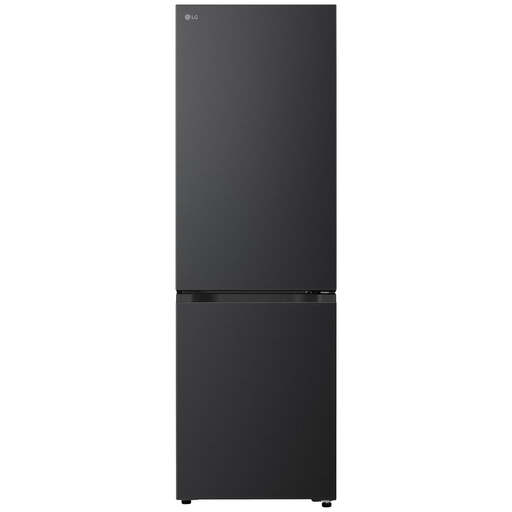 Image unavailable
LG GBBS312CEV NatureFRESH fridge-freezer, 333 L, black
Worth comparing for mixed use if storage organisation matters as much as total capacity. The product name states 333 L and energy class C. Check the capacity of the fridge and freezer compartments, the kWh/year figure, and the model’s ventilation and ambient temperature requirements.
View on Joybuy
Frequently asked questions
Which figures on the energy label should I compare when choosing a refrigeration appliance?
Compare the kWh/year figures and the fridge and freezer capacities of models that meet the same needs. The European Commission also says the label shows the energy efficiency class and noise level. The same letter doesn’t mean that two appliances with different capacities will use the same amount of energy.
Can I put a chest freezer in a garage or cellar?
Yes, if the model’s recommended ambient temperature range matches the room. UFC-Que Choisir recommends checking its climate class. Also measure the floor space and allow enough room to open the lid and reach the food inside.
Does No Frost always reduce electricity consumption?
No. The presence of No Frost doesn’t mean a model will use less energy than another. According to Beko, the feature is designed to prevent ice from building up. When choosing, compare the kWh/year figures of models with the right capacity for your needs, and consider where and how you’ll use them.


