What should you compare before buying?
First, decide whether you need a separate freezer compartment. Then compare the space available for fresh and frozen food, the appliance’s dimensions and each model’s energy consumption information.
Single-door fridge
Consider this if: you mainly store fresh food and only a small amount of frozen food.
Bear in mind: a small freezer compartment, if included, may not be suitable if you regularly store frozen food.
Fridge freezer
Consider this if: you want to regularly store both fresh and frozen food in one appliance.
Bear in mind: the total capacity is split between the two compartments, so check that each one suits your shopping habits.
| Criterion |
What to check |
Who is this for? |
| Usable capacity |
Compare the usable litres in the fresh-food and freezer compartments separately. Que Choisir suggests 100 to 150 l as a starting point for one person, plus 50 l for each additional person. Adjust this according to your shopping habits. |
When my shopping varies from week to week, I want enough room for the food I actually store, without choosing an appliance that’s too large. Around 29% of consumers put getting the capacity right first. |
| Energy consumption |
For models of a similar size and capacity, compare the A to G energy rating alongside the declared annual energy consumption in kWh/year. |
If my fridge runs day and night, its annual energy consumption matters when I’m choosing one. This is a priority for around 29% of consumers. |
| Installation and noise |
Check the appliance’s dimensions against the available space and its installation instructions. For an open-plan kitchen, also check the declared noise level in dB(A). |
In a narrow or open-plan kitchen, I want an appliance that fits the space without overlooking noise in the living area. Around 21% of consumers prioritise these considerations. |
| Freezing |
Check whether there is a separate freezer compartment and how much usable capacity it offers, based on how much frozen food you store. |
If I regularly store frozen food, I’d rather have a suitably sized freezer compartment than maximise fridge space alone. This is the top priority for around 21% of consumers. |
Fridge freezers to consider on Joybuy
These models are fridge freezers for storing fresh and frozen food. For each one, check that the stated capacity and installation requirements suit your household. The criteria for choosing a single-door fridge are covered above.
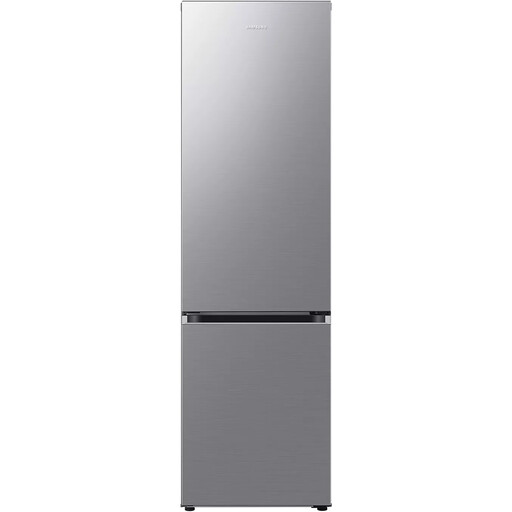 Image unavailable
Samsung RB38C603CS9, 390 l fridge freezer, energy rating C
Worth considering if you’re looking for a fridge freezer for fresh and frozen food. Its stated total capacity is 390 l and its energy rating is C. Compare the capacity of each compartment and the dimensions with your needs.
View on Joybuy
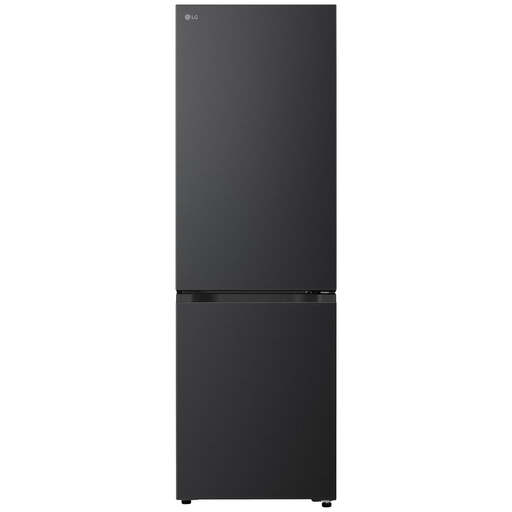 Image unavailable
LG GBBS312CEV, 333 l fridge freezer, energy rating C
Worth considering if a 333 l fridge freezer offers the space you need. It has a stated energy rating of C. Check the capacity of each compartment and the clearance needed for installation before choosing where to put it.
View on Joybuy
 Image unavailable
Bosch KGN33NLEB, 282 l fridge freezer, energy rating E
Worth considering if you’re looking for a fridge freezer with a stated total capacity of 282 l and a bottom-mounted freezer. Its energy rating is E. Check the capacity of each compartment and the declared noise level if it’ll be near a living area.
View on Joybuy
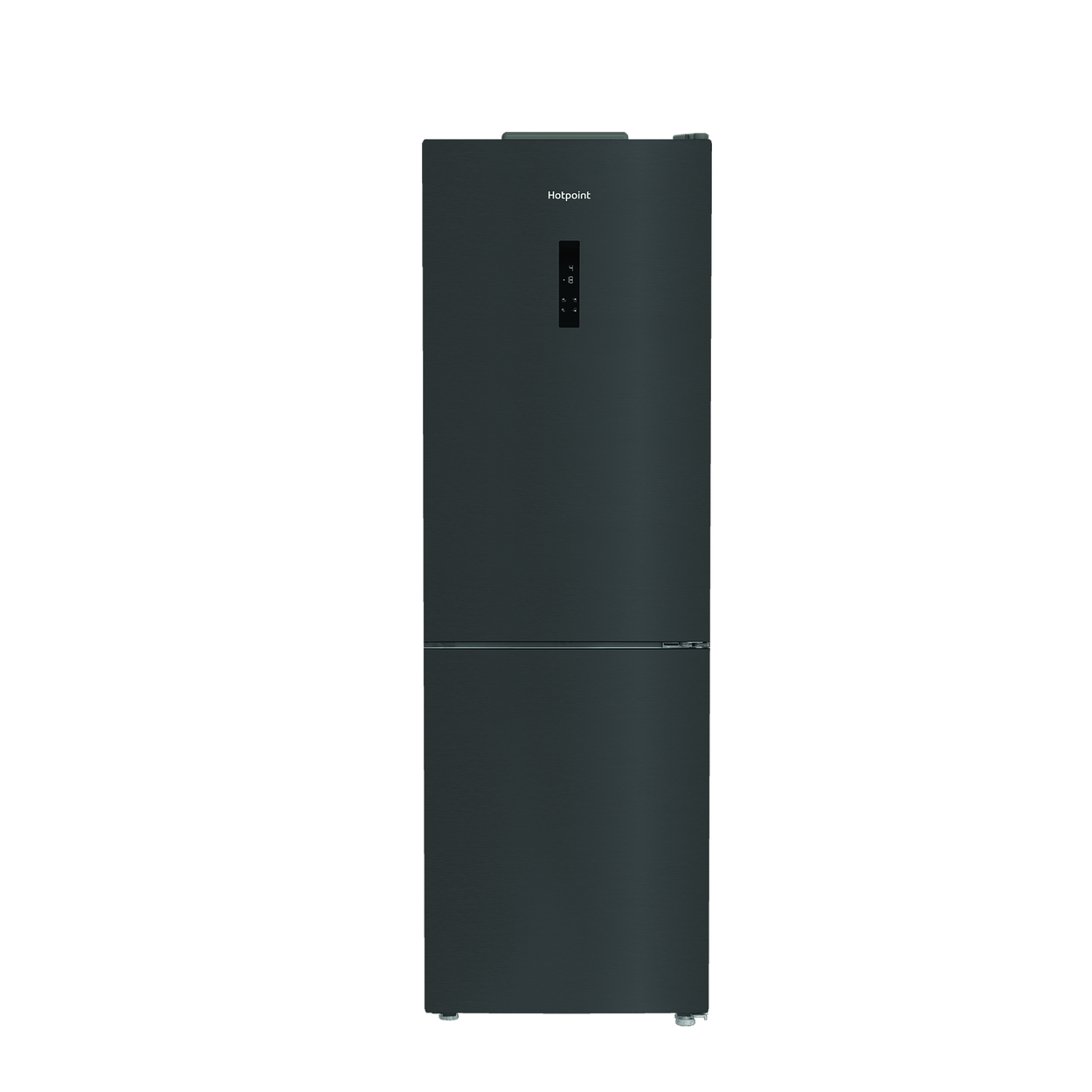 Image unavailable
Hotpoint HPK26363XBR5E, 316 l fridge freezer, energy rating D
Worth considering if you’re looking for a 316 l fridge freezer with the Double No Frost feature mentioned in its product title. Its energy rating is D. Check the dimensions against the space available and, if needed, look up its declared noise level.
View on Joybuy
 Image unavailable
CHiQ JR227LSE, 227 l fridge freezer, Low Frost
Worth considering if you’re looking for a fridge freezer with a stated width of 54 cm. Its product title lists 153 l for the fridge and 74 l for the freezer, a reversible door and an energy rating of E. Low Frost isn’t the same as No Frost. Also check the full dimensions and annual energy consumption in kWh/year when comparing models.
View on Joybuy
Frequently asked questions
Which figures on the energy label should I compare?
Compare the A to G energy rating and the declared annual energy consumption in kWh/year, taking the appliance’s size and usable capacity into account. These figures help you compare similar appliances without basing your decision on the rating letter alone.
How much usable capacity does a household need?
Que Choisir suggests 100 to 150 l for one person, plus 50 l for each additional person. Adjust this starting point to how often you shop, and check separately how much space you need for fresh and frozen food.
Is a fridge freezer always better than a single-door fridge?
No. A fridge freezer suits you if you regularly need to freeze food in the same appliance, while a single-door model may be right if you mainly store fresh food. Either way, check the usable capacity of the compartments on offer.
How can I arrange collection of my old fridge?
Before finalising your purchase of an equivalent appliance, ask the retailer about its collection arrangements. ecosystem says retailers offer a free collection service. Confirm where and how your old appliance can be collected when you place your order.
Should I always choose No Frost?
No. This feature is only worth choosing if the stated convenience of maintenance suits your needs. Manufacturers present it as a way to limit frost build-up. Check that it’s included in the relevant compartment, and compare the exact model’s capacity, annual energy consumption and noise level too.


