What should you compare before choosing?
Start with what you usually put away after shopping, then compare the capacity of each compartment with the space available in your kitchen.
| What to consider | What to check | What I need |
|---|
| Capacity split |
Compare the litres of fridge and freezer space separately, rather than looking only at the total capacity. UFC-Que Choisir describes a typical fridge freezer of around 300 L, with roughly two thirds for refrigeration and one third for freezing. Treat this as a guide, not a ratio that every household needs to follow. |
Does most of my shopping go in the fridge, or do I regularly store portions and frozen food? I’ll choose a capacity split that suits what I keep. |
| Style |
Consider a fridge freezer if fresh food makes up most of your shopping, or a larger appliance if your needs call for it. If you store lots of frozen food, think carefully before choosing a single-door fridge with a small freezer compartment. |
I want to store several days’ shopping without giving too much space to a compartment I rarely use. |
| Storage and temperature |
Check for suitable areas for foods that need careful storage, and find out the temperature in the coldest part of the fridge. Anses recommends keeping it at 4 °C and not overfilling the fridge, so air can circulate. |
Fresh food and leftovers need to be easy to find, and I also need to leave space between items. |
| Installation |
Measure the space, access routes and clearance needed to open the doors. For an integrated model, check the housing, door fixing and ventilation requirements against the instructions for the exact model; usable capacity alone won’t tell you whether it will fit. |
The appliance needs to fit in my kitchen, with enough room to open the doors and access the drawers every day. |
| Energy use and noise |
For appliances of a similar type and capacity, the energy label gives information about annual energy consumption and noise emissions, according to the European Commission. Consider these details alongside the dimensions and the capacity split. |
If my kitchen is near a living area, I’ll consider the noise level as well as the space needed and the stated energy consumption. |
A guide to the brands
The models featured here are from Hisense, Candy, Haier, Hotpoint and Comfee’ by Midea. Rather than choosing by brand alone, compare the capacity split, layout, installation requirements and energy label of each model with what you need for your shopping and kitchen.
Fridge freezers to explore on Joybuy
This selection includes integrated, multi-door and freestanding models. For each one, start with the style and total capacity stated, then check the fridge and freezer litres and installation requirements against your shopping habits and kitchen.
 Image unavailable
Hisense RB3B250SAWC, 252 L integrated
Worth considering for a fitted kitchen designed for an integrated appliance. The model name states 252 L, No Frost and energy rating C. Before choosing, compare the fridge and freezer capacities with what you store, then check the housing dimensions, door fixing and ventilation requirements.
View on Joybuy
 Image unavailable
Candy CFQQ5T817EPS, 467 L four-door multi-door model
This style is worth comparing if you have a large weekly shop and a spacious kitchen. The model name states 467 L, four doors, Total No Frost and energy rating E. Check the fridge/freezer capacity split, the route into your kitchen and the clearance needed to open the doors.
View on Joybuy
 Image unavailable
Haier HTW5618ENMG, 360 L, three doors
Worth comparing if you’d like easy access to several compartments without automatically opting for the largest capacity in this selection. The model name states 360 L, three doors, Total No Frost, Wi-Fi, My Zone and energy rating E. Check the fridge and freezer capacities separately, along with the space needed for installation and opening the doors.
View on Joybuy
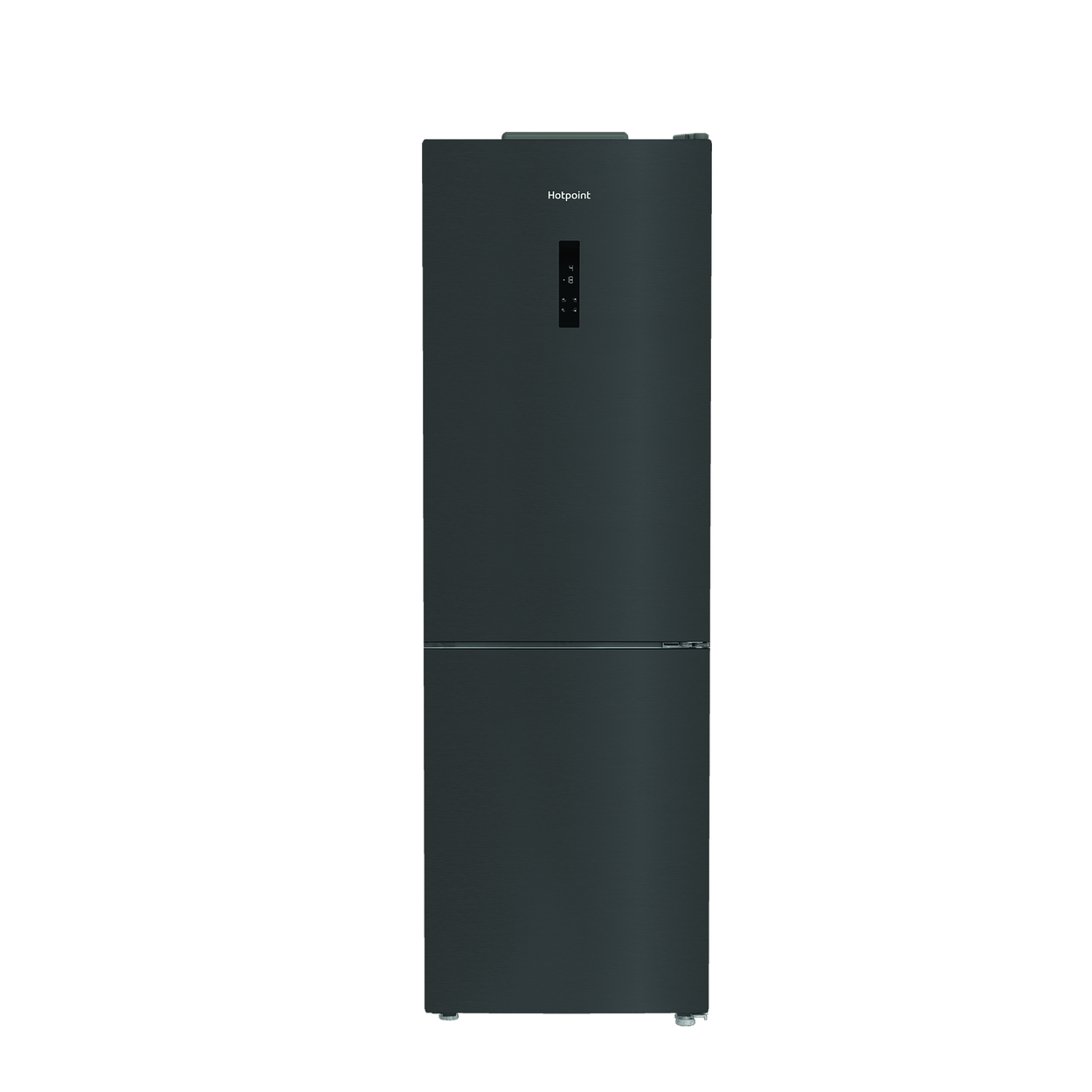 Image unavailable
Hotpoint HPK26363XBR5E, 316 L
This fridge freezer is worth considering if your shopping needs space for both fresh food and frozen reserves. The model name states 316 L, Dual No Frost and energy rating D. Compare the capacity of each compartment with what you usually buy, and check the installation clearance.
View on Joybuy
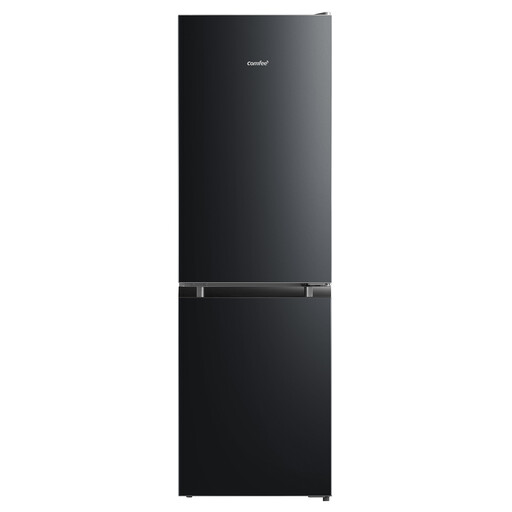 Image unavailable
Comfee’ by Midea RCB230BL2EU(E), 174 L freestanding
This freestanding model lets you consider a more modest total capacity if you don’t need to store as much. The model name states 174 L, Low Frost, an adjustable thermostat and a reversible door. Low Frost doesn’t mean you’ll never need to defrost: check the freezer’s maintenance requirements, the capacity split and the space needed for installation.
View on Joybuy
Frequently asked questions
How do I decide between fridge and freezer capacity?
Take stock of the fresh food, leftovers and frozen food you buy in a typical week, then compare the stated capacity of each compartment. UFC-Que Choisir describes a typical fridge freezer with around two thirds of its capacity for refrigeration and one third for freezing, but your shopping habits should guide the split you choose.
What temperature should I check for sensitive foods?
Check the coldest part of the fridge: Anses recommends keeping it at 4 °C and gives a storage temperature of between 0 and +4 °C for this area. Store meat, fish and cooked dishes there, and avoid overfilling the appliance.
Is No Frost technology enough to keep food properly?
No. No Frost doesn’t replace temperature checks or proper food storage. Anses recommends checking the coldest part of the fridge and leaving room for air to circulate.
What should I compare on the energy label?
Check the energy rating, consumption, storage capacities and noise emissions shown on the relevant appliances’ labels, as explained by the European Commission. Where possible, compare models of a similar type and capacity, then make sure the space for fresh and frozen food suits your shopping.
Will replacing my fridge stop me forgetting about food?
Not on its own. A different layout may help if your usual shopping doesn’t fit or is hard to see, but changing your appliance won’t replace organising and keeping track of your food. Before buying, check whether the problem is the total capacity, the way it’s split between compartments or how you store your food.


