Households that shop weekly
If your fresh food needs to last until your next shop, look at the usable space on the shelves and in the drawers. Clear, well-organised storage makes it easier to spot what needs using, without overfilling the fridge.


For your weekly shop, choose based on how much room you need for fresh food and frozen supplies, rather than on total capacity alone. A fridge with a small freezer compartment works well if you mainly store fresh food. A fridge-freezer combines both spaces in one appliance, while a separate freezer can supplement your fridge if your frozen stocks regularly exceed the space available. Then check the separate capacities, the space the appliance takes up and the energy label for the model you’re considering.
If your fresh food needs to last until your next shop, look at the usable space on the shelves and in the drawers. Clear, well-organised storage makes it easier to spot what needs using, without overfilling the fridge.
Prepared meals and frozen food shopping need a separate frozen-food space. Compare the freezer capacity shown on the energy label and the shape of the drawers with the containers you usually use.
Internal capacity alone won’t help you choose between two appliances. Measure the space where it will go, the route to the kitchen and the ventilation clearances specified in the instruction manual.
Consider this if: you mainly buy fresh food and keep only modest frozen supplies.
The trade-off: space for prepared portions and frozen food can quickly run short.
Consider this if: you need two storage areas in one appliance.
The trade-off: a large total capacity doesn’t guarantee enough freezer space.
Consider this: as a supplement to your fridge if your frozen supplies consistently exceed the capacity available.
Bear in mind: you’ll need space for a second appliance, as well as considering the energy use and maintenance it will involve.
| Criterion | What to check | How this relates to your needs |
|---|---|---|
| Capacity split | Compare the fridge and freezer capacities in litres separately, then check the size and number of drawers. The European Commission says the energy label displays the capacities of the compartments. | I shop for several days at a time and want enough space for fresh food without cutting back on room for frozen portions. |
| Internal storage | Look at the shelves and drawers, and check how much room there is around the packaging you usually buy. Make sure food stays visible and cold air can circulate. | I need to be able to spot the food I should use soon, even after a big shop. |
| Temperature control | Check the settings and whether you can monitor the temperature in the coldest part. Anses recommends keeping it between 0 and +4 °C and storing sensitive foods there. | I also store sensitive foods and want to check where they’re kept and the temperature, rather than relying on the displayed setting alone. |
| Energy and noise | On the model’s energy label, compare the energy class, annual consumption in kWh and noise level with appliances of a similar configuration and capacity, using the information described by the European Commission. | If the appliance is in an open-plan kitchen, its noise level matters just as much as its energy consumption when I’m choosing. |
| Installation and maintenance | Measure the space and access routes, then check the ventilation clearances in the instruction manual. Also check how the model is defrosted and whether spare parts are available. | I want to be sure the appliance will fit through the access routes, can be installed properly and won’t come with any unexpected maintenance tasks. |
Two appliances with a similar total capacity can divide the space between fresh and frozen food differently. The European Commission explains that the energy label shows the capacities of the separate compartments.
Make a note of what you usually put away after shopping, then compare the fridge and freezer capacities separately.
A very full fridge leaves less room to organise your shopping and lets less cold air circulate.
Choose drawers and shelves that suit the packaging you buy, keep your supplies visible and store sensitive foods in the coldest part, in line with Anses recommendations.
No Frost helps prevent ice build-up and reduces the need for defrosting; it doesn’t replace temperature control or proper food storage.
Check whether the specific model has this feature, but also look at its capacity, internal layout and how you can monitor the temperature.
Whether an appliance can be repaired depends in part on the availability of spare parts for the model you choose. The Ministry of the Economy lists availability and delivery times among the factors to consider.
Check the availability of spare parts and access to after-sales service for the exact model, rather than relying on the reputation of a product range alone.
Bosch offers fridge-freezers with layouts and features that vary by model.
The range includes configurations with separate compartments and features that vary by model.
Whirlpool offers fridge-freezers with a range of configurations and features.
This selection from Joybuy includes fridge-freezers that combine fresh and frozen storage, as well as a separate freezer to consider if your frozen supplies need more room.
 Image unavailable
Worth considering if you want to store fresh food and frozen supplies in a four-door appliance. The model name indicates Total No Frost and an energy class of E. Compare the space it takes up with your access routes and the space available.
 Image unavailable
Worth comparing if kitchen space is limited: this model is 54 cm wide and 176 cm high. Its name indicates a 70/30 split and Low Frost. Check that the freezer space and defrosting requirements suit your needs.
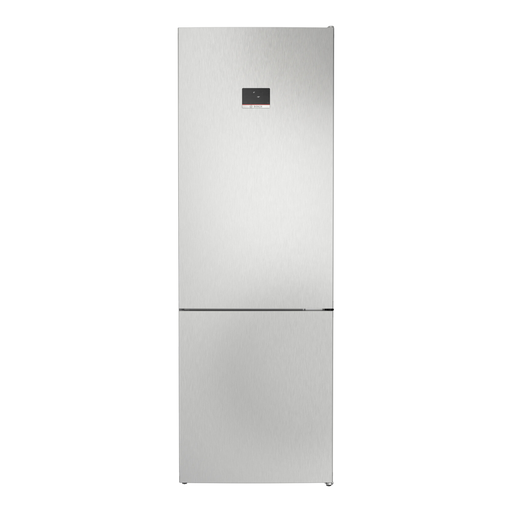 Image unavailable
This 440 L fridge-freezer is worth a look if your shopping includes both fresh and frozen food. Compare the capacity of each compartment with your usual supplies, and check the instruction manual for freezer defrosting and temperature control.
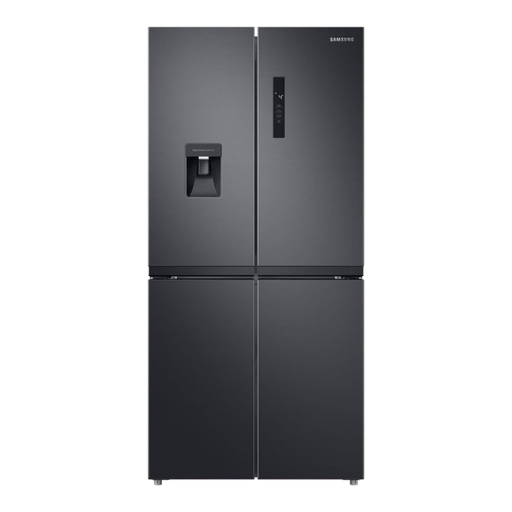 Image unavailable
This 488 L model is worth considering if you’re looking for one appliance to store both fresh and frozen food. Before choosing this size, check its dimensions against the access routes in your home and compare the capacity of each compartment.
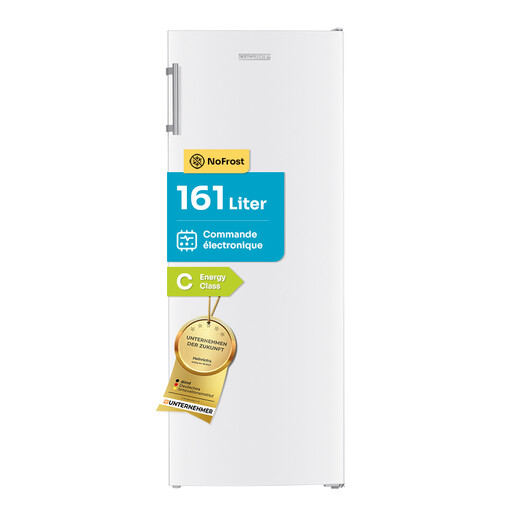 Image unavailable
Worth considering alongside a fridge if your portions and frozen food regularly take up too much space in your existing freezer. The product name indicates three drawers and an energy class of C. Check the dimensions, annual energy consumption and noise level to see how it would fit into your home and routine.
Anses recommends a temperature between 0 and +4 °C in the coldest part of the fridge. Store sensitive foods there, including raw meat and fish, and check the temperature regularly with a thermometer if needed.
Compare the capacity of each compartment in litres, then consider how often you shop, the fresh food you buy and the portions you freeze. The European Commission says the energy label displays the capacities of the compartments, so the total capacity alone doesn’t tell you how much room each one offers.
Measure the space where you plan to put it and every access route to the kitchen, then check the ventilation clearances specified in the model’s instruction manual. Suitable internal capacity won’t help if the appliance can’t be installed in the space available.
For the household fridges and freezers covered, the label described by the European Commission lets you check the energy class, annual consumption, capacities and noise level. Compare these details between appliances with similar configurations and capacities, and don’t estimate running costs from the energy class letter alone.