What to look for when buying
Start by identifying whether your main shortage is fresh-food, leftover or freezer space, then compare appliances of the same type and a similar capacity. The European energy label makes it easier to check storage volumes, annual consumption and noise levels.
| Priority |
What to check |
Your needs |
| Visibility and fresh-food storage |
Compare the usable fridge volume, adjustable shelves and drawers, and the space available for leftover containers. Avoid overfilling the appliance so that air can circulate. |
I want to see my groceries and leftovers without stacking delicate foods or overcrowding the coldest area. |
| Balance between fresh and frozen food |
Check the fridge and freezer capacities separately. Match the type of appliance to your meal-preparation, freezing and bulk-buying habits. |
My needs are mainly for fresh food every day, or instead for portions to freeze and shopping that will be stored for longer. |
| Everyday food storage |
Check the temperature settings, access to the coldest area and any alarm functions available. Anses recommends 4 °C in the coldest area of the fridge. |
I store cooked meals and perishable foods; I need an arrangement that helps me rotate food properly. |
| Energy consumption and noise |
Compare the energy class from A to G, annual consumption in kWh and noise level between appliances in similar categories and of similar capacity. Check the exact model specification. |
In an open-plan kitchen, noise matters just as much as capacity. I also want to compare energy consumption on a like-for-like basis. |
Joybuy products for combined refrigeration and freezing
These Joybuy options are fridge freezers designed for everyday storage of fresh food, leftovers and portions to freeze.
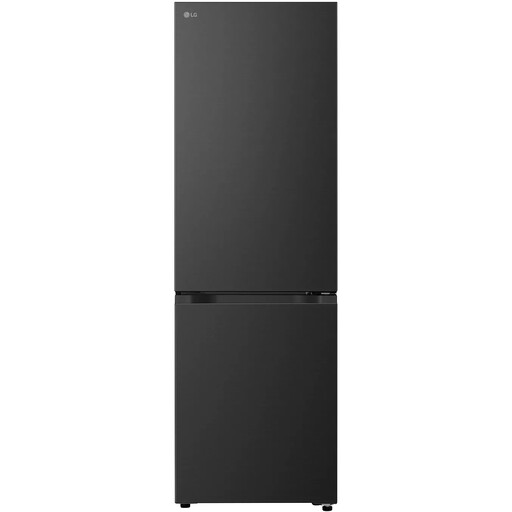 Image unavailable
LG GBBS312AEV 333 L No Frost, energy class A
For groceries, fresh leftovers and portions to freeze in one appliance.
220 L of fridge space and 113 L of freezer space; 108 kWh/year, 29 dB, No Frost, Multi Air Flow, fast freezing and a door alarm listed on the specification sheet.
Stated ambient temperature range of 16 to 43 °C: check the clearances, the route for the 89 kg appliance and whether the dimensions of 59,7 × 186 × 67,4 cm are suitable.
Joybuy
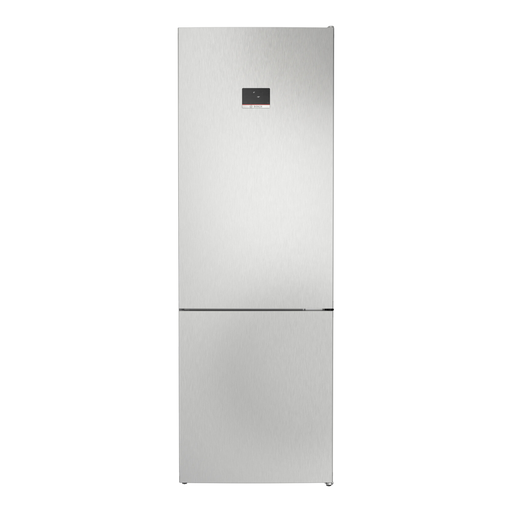 Image unavailable
Bosch KGN497LDF 440 L, energy class D
Suitable for households looking for generous fridge space with additional freezer capacity.
311 L of fridge space and 129 L of freezer space; 223 kWh/year, 35 dB, Multi Airflow, VitaFresh, fast freezing and a stated storage time during a power cut of 18 h.
Its 70 × 203 × 66,7 cm format may not suit a narrow kitchen; also check how the freezer is defrosted and the required clearances.
Joybuy
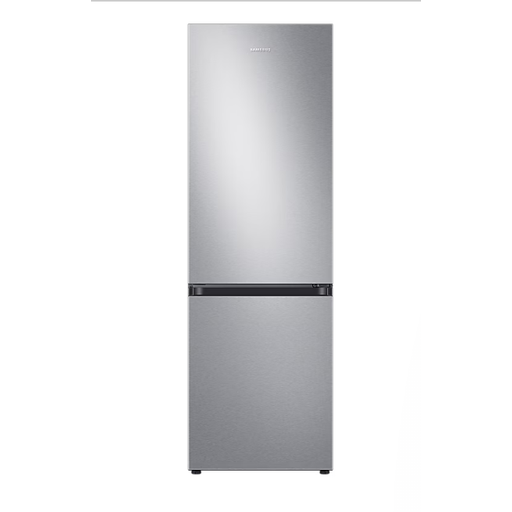 Image unavailable
Samsung RB34C601DSA 334 L, energy class D
A standard-width option for frequent grocery shopping and portions to freeze.
230 L of fridge space and 114 L of freezer space, a width of 59,5 cm, four shelves including one foldable shelf, three freezer drawers, and rapid cooling and freezing functions.
A water dispenser is listed on the specification sheet; check how it is supplied and whether any connection is required before buying.
Joybuy
 Image unavailable
Haier HTW5618ENMG 360 L, Total No Frost
For preparing meals regularly and keeping fresh food separate from frozen portions.
235 L of fridge space and 125 L of freezer space; Total No Frost, 35 dB, 271 kWh/year, a door alarm, three freezer drawers and a stated freezing capacity of 10 kg/24 h.
The energy class is E. Wi-Fi and Bluetooth features require the hOn app and do not replace proper organisation and stock rotation.
Joybuy
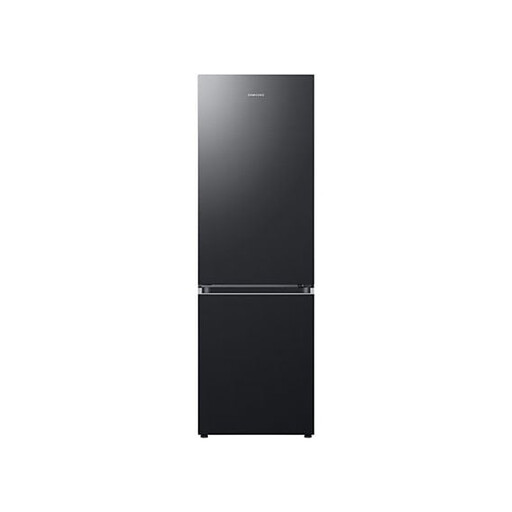 Image unavailable
Samsung RB34C704DB1 344 L, energy class D
Suitable for weekly grocery shopping, leftovers and portions to freeze in a combined format.
230 L of fridge space and 114 L of freezer space, three freezer drawers, No Frost, Power Cool, Power Freeze, a reversible door and a stated cold-retention time of 9 h.
Check the noise level and annual energy consumption before comparing. Wi-Fi and SmartThings features require app configuration.
Joybuy
Frequently asked questions
What temperature should you aim for in the fridge when storing leftovers and perishable foods?
Anses recommends monitoring a temperature of 4 °C in the coldest area of the fridge and placing meat, fish and cooked meals there in particular. A larger appliance alone is not enough: also avoid overfilling the compartments so that air can circulate.
Can you freeze leftovers just before their use-by date?
Anses advises freezing food as soon as you buy or prepare it, rather than at the end of its use-by date. Once defrosted, eat it promptly and do not refreeze it.
Which details on the energy label should you compare?
For domestic refrigeration appliances, the European label shows the energy class from A to G, annual consumption in kWh, the volumes of the fridge and freezer compartments, as well as the noise level and its class. Compare these details between appliances of a similar type and capacity.
Can a freezer be installed in a garage or an unheated cellar?
This depends on the ambient temperature range declared by the manufacturer for the model in question. Beko, for example, states that its BR3XRFNE274W1 can operate at ambient temperatures as low as -15 °C with Freezer Guard; this feature does not automatically apply to other freezers.
What should you do with your old fridge or freezer in France?
ADEME states that a replaced appliance can be handed back to the retailer or delivery driver, or taken to the designated area for electrical and electronic equipment at a recycling centre. Depending on the type of repair, some refrigeration appliances may also qualify for the Bonus Réparation when repaired by an approved service provider.


