Households buying fresh and frozen food
If your regular shopping includes both, look separately at the space set aside for refrigeration and freezing. The layout of the shelves and drawers matters too, especially if you buy a range of pack sizes.


If you regularly store fresh food and a few frozen items, start by comparing fridge-freezers: they bring both storage spaces together in one appliance. A fridge, compact model or separate freezer may suit other habits better. Just be sure to check the usable litres in each compartment, the space available and annual energy consumption, rather than relying on total capacity alone.
If your regular shopping includes both, look separately at the space set aside for refrigeration and freezing. The layout of the shelves and drawers matters too, especially if you buy a range of pack sizes.
Bulk shopping, batch cooking or storing frozen food for longer may mean you need more freezer space. Compare the freezer compartment in a fridge-freezer with the space a separate appliance would require.
Before choosing extra features, check that the appliance will fit through your delivery access points and can be installed and opened in its intended position. The instructions for the exact model will help you check its installation requirements.
Consider it if : you mainly store fresh food and already have a way to freeze food, or rarely buy frozen items.
Bear in mind : it won’t give you the freezer capacity of a fridge-freezer.
Consider it if : your shopping includes both fresh and frozen food and you want to store them in one appliance.
Bear in mind : the freezer capacity depends on how the space is divided between the two compartments.
Consider it if : freezing in bulk is a priority and you have space for a second appliance.
Bear in mind : this extra appliance takes up space and runs continuously, as ADEME points out.
Consider it if : your kitchen is small and you have limited storage needs.
Bear in mind : check that there’s enough room for your shopping and, where relevant, frozen food.
| Criterion | What to check | Consumers concerned |
|---|---|---|
| Capacity split | Compare the usable litres in the fridge and freezer separately, then check the interior layout. | If my weekly shopping includes fresh and frozen food, I want to store both without being misled by the total capacity. Around 36% of consumers make this split a priority. |
| Continuous running | For appliances with similar functions and capacity, compare the energy rating, kWh/year and volumes together. | For an appliance that stays on all the time, I’d rather avoid capacity I won’t use. Around 29% of consumers put keeping energy consumption under control first. |
| Installation | Measure the appliance, access routes and space with the door open; check the instructions for the exact model. | In a small kitchen, I need to be able to get the appliance in and open its door once it’s installed. This compatibility is the top priority for around 21% of consumers. |
| Room for frozen food | Compare the freezer capacity you need with that of a fridge-freezer or a separate appliance. | If I freeze meals or bulk purchases, a few extra frozen items don’t meet my actual needs. Around 14% of consumers prioritise extra freezer capacity. |
The European Commission says that the energy label for refrigeration appliances includes information such as annual energy consumption, compartment volumes and noise levels. ADEME reminds shoppers that fridges and freezers run continuously, and that an oversized appliance can increase energy consumption.
A large appliance may leave too little room in the compartment you actually need. ADEME also highlights the risk of buying more capacity than you need for an appliance that runs continuously.
Think about a typical week’s shopping, then compare fridge and freezer capacity separately. UFC-Que Choisir recommends matching capacity to your household’s needs.
The rating alone doesn’t tell you how many litres are available or the annual energy consumption shown on the label. The European Commission lists this information separately on the energy label for refrigeration appliances.
Compare appliances with similar functions and capacity, noting their kWh/year, compartment volumes and noise levels. The label’s QR code gives you access to the model’s information in EPREL.
The appliance’s width alone won’t confirm that it will fit through your access routes or that its door will open properly in the space you have planned.
Measure the delivery route and final space, then check the instructions for the exact model for door-opening and installation requirements.
Without making arrangements in advance, your old fridge could still be there after your new one is delivered.
Ask the seller about the take-back arrangements for your order, including how to prepare the appliance and make sure it’s accessible on collection day.
These ranges include configurations worth considering; dimensions, features and installation requirements vary by model.
Offers freestanding and integrated fridge-freezers to compare, depending on your preferred kitchen layout.
Worth considering if you’re looking for an integrated fridge-freezer for a fitted kitchen.
Offers freestanding and integrated fridge-freezers, with different cooling configurations depending on the model.
Worth considering if you’re comparing high-capacity freestanding fridge-freezers.
One to consider if you’re looking for a mid-capacity freestanding fridge-freezer.
Worth considering if the available width points you towards a compact appliance.
These models combine refrigeration and freezing in one appliance. Compare their interior layout and overall size against your shopping habits; a fridge or separate freezer is better suited to other needs.
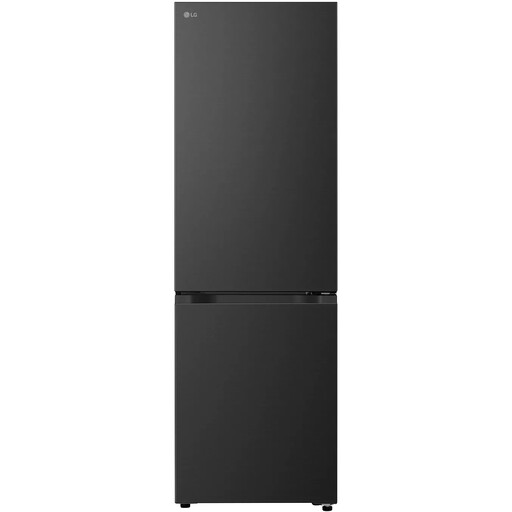 Image unavailable
Worth considering if your shopping includes fresh and frozen food and you’re looking for a freestanding fridge-freezer.
The product name lists No Frost and an A energy rating. Check the capacity of each compartment and the model’s energy label.
Measure the access route and space available; check the instructions for clearance requirements and the room temperature range the appliance can operate in.
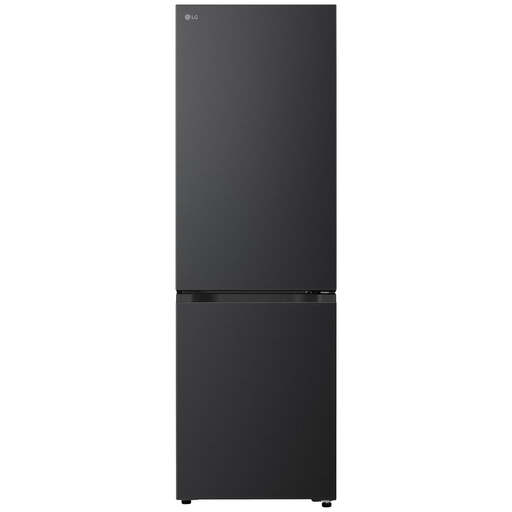 Image unavailable
Worth comparing if you want to see how much space a fridge-freezer gives you for fresh and frozen food.
The product name lists a C energy rating. Check the model’s energy label to compare its capacity and kWh/year with similarly sized appliances.
Allow the clearance required around the appliance, as set out in its installation instructions.
 Image unavailable
Worth considering if your shopping needs plenty of space for both fresh and frozen food, after you’ve worked out how much capacity your household will actually use.
The product name lists Total No Frost and an E energy rating. Check the capacity of each compartment and the kWh/year on this model’s energy label.
Check the delivery route, available space and instructions before choosing this size of appliance.
 Image unavailable
Worth considering for a small kitchen if you need both fresh-food storage and a freezer.
The product name lists 153 L of fridge capacity, 74 L of freezer capacity, a width of 54 cm, Low Frost and an E energy rating. Low Frost doesn’t mean that frost won’t build up at all.
Also check the height, depth and kWh/year for this model before comparing its installation requirements and energy consumption.
 Image unavailable
Worth considering if you store lots of fresh and frozen food and have room for a multi-door appliance.
The product name lists an E energy rating. Compare the capacity of each compartment and the kWh/year with other appliances suited to your needs.
Check the access route, door clearance and installation instructions. If you want to use the water dispenser, confirm the connection requirements for this model.
Start by comparing appliances with similar functions and capacity, then check their energy ratings, kWh/year, compartment volumes and noise levels. The European Commission lists these details on the energy label for refrigeration appliances; the rating letter alone doesn’t tell you how much storage space is available.
According to the European Commission, it takes you to additional information about the model in the EPREL database. Use it to find the exact model and cross-check the label details before making your choice.
Measure the delivery access points and the final position, remembering to allow for the door to open. Then check the instructions for the exact model, as installation requirements can differ between freestanding and integrated appliances.
Yes. Multiply the kWh/year shown on the energy label by the kWh rate on your tariff to get an approximate annual cost. Your actual costs will depend on your tariff and how you use the appliance; ADEME reminds shoppers that refrigeration appliances run continuously.