
Livraison le jour même ou le lendemain

Qualité garantie

Débloquez vos offres de bienvenue: Livraison GRATUITE | Jusqu'à -80 % | 30 jours d'essai gratuits à JoyPlus
Téléchargez l'application
Choosing a new fridge-freezer can quickly become a headache. Between the baffling jargon, new energy labels, and marketing promises, it's hard to know where to start. A poor choice means you pay the price twice: skyrocketing electricity bills and a constant background hum in the kitchen, not to mention an appliance that's simply a bad fit for your household. Before taking the plunge, it's best to know the pitfalls to avoid.
The 3 mistakes to avoid when buying a fridge-freezer:
To avoid buyer's remorse, focus on these key technical points that will make all the difference to your comfort and your wallet.
This is the starting point, as it determines how your food is preserved and how you maintain the appliance.
These two aspects are crucial for your daily comfort and long-term costs.
The volume should be suited to the size of your household and your habits.
To help you see more clearly, here is our selection of models for different needs, all vetted against our criteria.
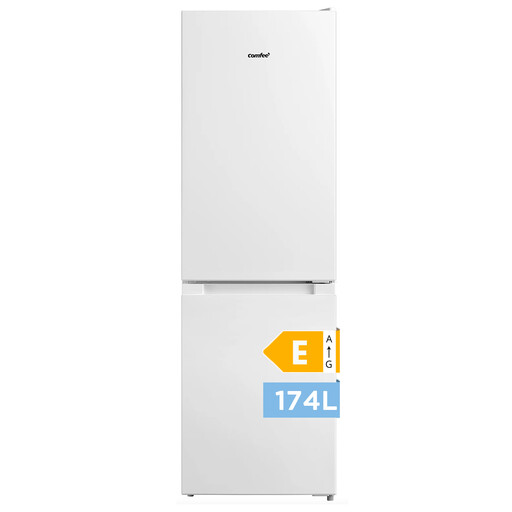
Why it's a good fit: With its 174L volume and 50 cm width, it's perfect for small kitchens, studio apartments, or single individuals. It sticks to the essentials, with no unnecessary frills.
It doesn't try to impress with an oversized capacity. It meets a specific need for space optimisation while remaining very quiet (39 dB), avoiding the unpleasant surprise of a disruptive background noise.
Low Frost technology reduces frost build-up (less maintenance than a static model) and ensures quiet operation, ideal for small apartments.
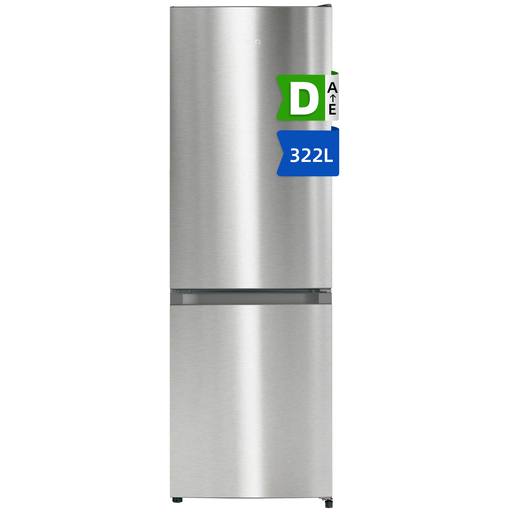
Why it's a good fit: Perfect for a couple or a small family, its 322L volume is well-designed. It includes practical everyday technologies like Total No Frost and a high-performance compressor.
It offers a Total No Frost system with Multi-Airflow, avoiding the trap of partial or inefficient "No Frost" technologies. Its Inverter compressor ensures both quiet (37 dB) and energy-efficient (Class D) operation.
An excellent balance of capacity, performance (ventilated cooling, Inverter compressor), and acoustic comfort. The reversible door offers great installation flexibility.
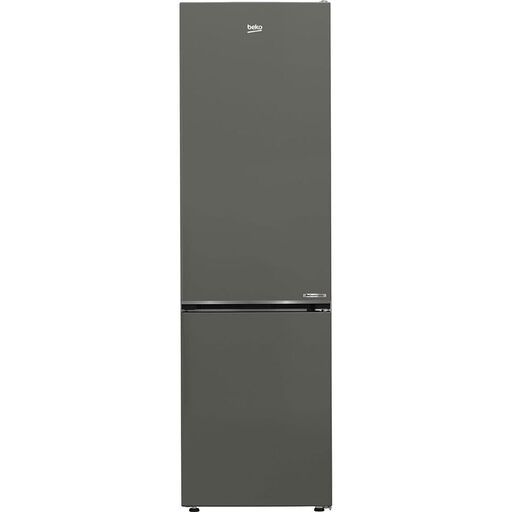
Why it's a good fit: With its large 355L capacity and advanced technologies, it's aimed at families looking for performance, energy savings, and optimal preservation of fresh food.
It justifies its premium positioning with tangible benefits: a high-performance C energy class, ultra-quiet operation (35 dB), and a technology (HarvestFresh) designed to preserve vitamins, going beyond mere marketing promises.
Superior energy efficiency for a low-energy fridge, remarkable quietness, and features dedicated to preserving food quality.
A good fridge is great. A well-organised freezer is even better! We've selected freezer-safe containers for you that meet our quality standards and European safety regulations.
What is the average lifespan of a fridge-freezer? The average lifespan of a fridge-freezer is 10 to 15 years. This longevity, of course, depends on the manufacturing quality (especially of the compressor), your usage, and maintenance. Regularly cleaning the rear coils and door seals can extend its life and maintain its energy efficiency.
Is No Frost technology really essential? It's not essential, but it is highly recommended for your convenience. Its main advantage is saving you the chore of manual defrosting by preventing frost from forming in the freezer. Ventilated cooling also ensures a more uniform temperature, which is ideal for preserving food well. For tighter budgets, "Low Frost" technology is an excellent compromise: it significantly limits frost build-up compared to a static model.
How should I install my new fridge to optimise its energy consumption? Installation is a key step. Place the appliance on a flat, stable floor. Leave a space of at least 5 cm at the back and on the sides to allow air to circulate so the compressor can cool effectively. Avoid placing it next to a heat source (oven, radiator) or in direct sunlight. Finally, wait a few hours after delivery before plugging it in to allow the compressor fluids to settle.