
Livraison le jour même ou le lendemain

Qualité garantie

Débloquez vos offres de bienvenue: Livraison GRATUITE | Jusqu'à -80 % | 30 jours d'essai gratuits à JoyPlus
Téléchargez l'application
Choosing a new fridge-freezer is like making a 10-year commitment. It's a major home investment, and with a jungle of models, technologies, and marketing promises, it's easy to feel overwhelmed. Make the wrong choice, and you'll pay the price twice: skyrocketing electricity bills, a frustrating lack of everyday space, and even unexpected breakdowns. As a Product Recommendation Manager at Joybuy, my mission is to cut through the noise for you. Follow this guide to identify the criteria that truly matter and make a confident, long-lasting purchase.
Before you even start comparing spec sheets, let's review the rookie mistakes that can cost you in the long run.
To make the right choice, focus on these three pillars. They are the true guarantee of your user comfort and future bills.
The cooling system is the heart of your appliance. Each technology has its strengths and weaknesses:
Since 2021, the European energy label has been simplified, with a scale from A (most efficient) to G (least efficient). A fridge-freezer runs 24/7. Opting for a good energy efficiency class (C or D, for example) can mean hundreds of euros in savings over its lifespan, even if the initial investment is slightly higher. Models equipped with an Inverter compressor are often more efficient as they continuously adjust their power, thereby reducing consumption and noise.
In an open-plan kitchen, silence isn't an option—it's an essential criterion. The noise level is expressed in decibels (dB). An appliance is considered silent when it's below 38 dB. As a reminder, every 3 dB reduction halves the perceived noise. A 35 dB model will therefore be noticeably quieter than a 38 dB one.
We have analysed several models for different user profiles, based on objective criteria of performance, practicality, and design.
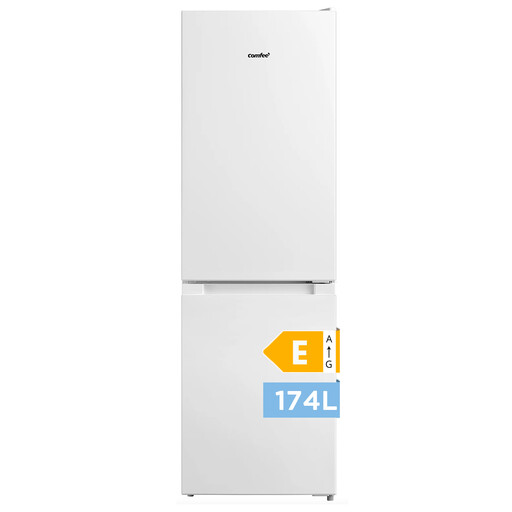
Why we love it: Perfect for a single person or a couple in a flat. Its compact dimensions (50 cm width) and reversible door allow for easy integration, even in tight kitchens. It focuses on the essentials, without superfluous gadgets that drive up the price.
This model skips the smart gadgets and focuses on the essentials. Its "Low Frost" technology is an excellent compromise, reducing ice build-up without the cost and complexity of a full No Frost system.
Its major asset: silent operation (39 dB) and a versatile, compact size. The 4-star freezer ensures effective freezing for long-term storage.
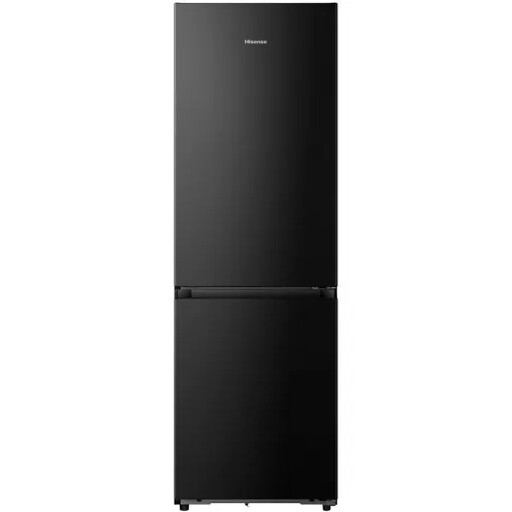
Why we love it: With its 330L capacity and standard 60 cm width, this combi fridge-freezer ticks all the boxes for a family of 3 to 4. It strikes the perfect balance between performance, controlled consumption, and quiet operation, making it ideal for modern, open-plan kitchens.
It features a true Total No Frost system that will make you forget the chore of defrosting. Its interior layout is optimised with a bottle rack and dedicated zones, thus avoiding the "on-paper" capacity trap.
The winning combination: an excellent C energy rating and near-silent operation (35 dB). Its Wi-Fi connectivity provides useful functions without being gimmicky.
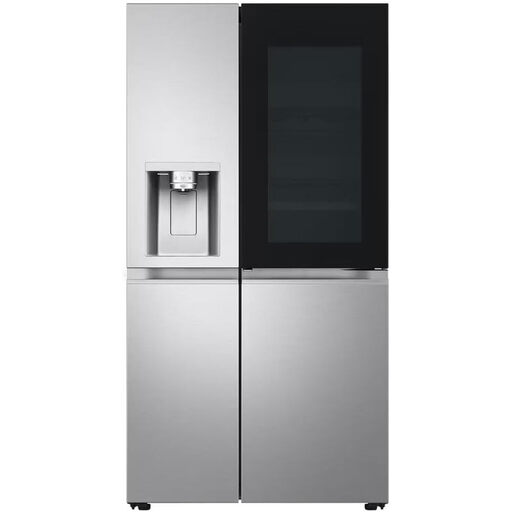
Why we love it: This American-style fridge-freezer plays in the big leagues with its XXL 628-litre capacity. It's perfect for large families or those who love to stock up. Its features, like the water dispenser and InstaView door, bring real everyday convenience.
Even though it's a smart fridge, its functions are intelligent and designed for energy savings. The InstaView technology lets you see inside without opening the door, limiting cold air loss. Its layout is designed to make use of every nook and cranny.
XXL capacity, whisper-quiet operation (35 dB), and a water dispenser with UVnano sanitising technology (according to manufacturer data).
Our full selection of expert-approved products meets the same selection criteria and French safety standards.
On average, a fridge-freezer has a lifespan of 10 to 15 years. This longevity depends on the build quality, regular maintenance (cleaning ventilation grilles, etc.), and usage. Good to know: European regulations require manufacturers to guarantee the availability of essential spare parts for at least 10 years, which makes repairs much easier.
It all depends on your kitchen layout and your budget.
A few simple steps are all it takes to control your appliance's consumption: