
Livraison le jour même ou le lendemain

Qualité garantie

Débloquez vos offres de bienvenue: Livraison GRATUITE | Jusqu'à -80 % | 30 jours d'essai gratuits à JoyPlus
Téléchargez l'application
Choosing a new fridge-freezer can feel like navigating murky waters. Between cooling technologies, new energy labels, and smart features, it's easy to feel lost. Yet, making the right choice is crucial: an ill-suited appliance guarantees a soaring electricity bill, annoying background noise, and, most importantly, poorly preserved food.
This guide is here to shed some light. As a product recommendation expert at Joybuy, my mission is to decode the technical jargon and give you practical keys to finding the ideal appliance—one that truly fits your household and your budget.
Before comparing models, let's review the key points that will genuinely change your daily life.
Ventilated cooling, also known as No Frost, is much more than a simple option: it's a game-changing technology. It circulates cold, dry air evenly throughout the entire appliance. Its number one advantage? No more ice build-up in the freezer and an end to the chore of manual defrosting! But that's not all: this technology ensures a stable temperature on every shelf, preserving the freshness of your food for longer, no matter where you place it. Today, a No Frost fridge-freezer is simply the standard for combining convenience with optimal preservation.
The volume, expressed in litres, should be tailored to your household size.
At the same time, never overlook the energy class. With the new labels introduced in 2021 (from A, the best, to G, the most energy-consuming), the choice is clearer. A C-rated model, like an energy class C refrigerator, currently offers the best performance-to-price ratio, with well-controlled consumption. It's an initial investment that will help you reduce your electricity bills in the long run.
In an open-plan kitchen, noise isn't a detail—it's a deal-breaker. A silent refrigerator must absolutely be under 40 decibels (dB). The top performers hover around 35 dB, which is the sound of a barely perceptible whisper.
As for the Wi-Fi smart fridge, it has moved beyond the gimmick stage. Managing the temperature from your smartphone, receiving an "open door" alert, or activating a "holiday" mode remotely are features that truly simplify life.
Here are three models that caught our eye, each standing out for its balance of performance, innovation, and budget.
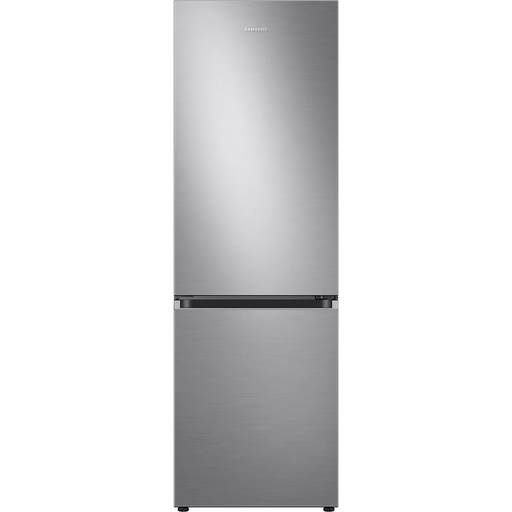
An ultra-versatile model that ticks all the boxes for most households.
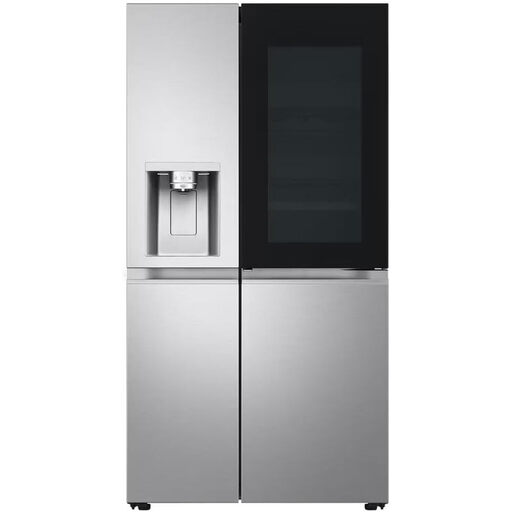
For those who think big, this American-style model combines an XXL volume with impressive technologies.
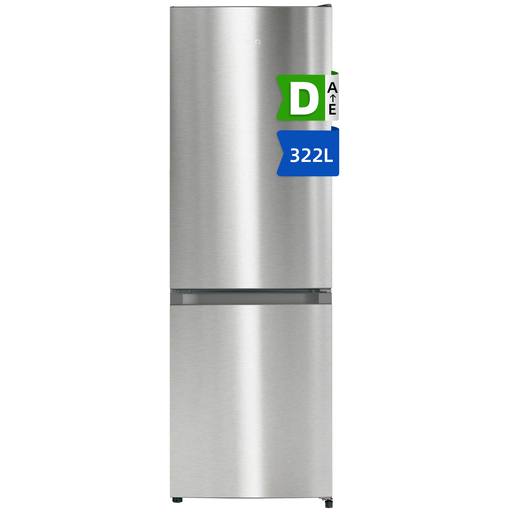
This CHiQ model gets straight to the point, with formidable efficiency and an unbeatable quality-to-price ratio.
No Frost technology is also available in upright or chest freezers, perfect for complementing your setup. To discover a wider selection, take a look at our dedicated No-Frost Freezer category.
1. Ventilated, fan-assisted, static cooling: what's the difference?Static cooling is the basic system: cold air sinks, creating different temperature zones (colder at the bottom). Fan-assisted cooling uses a fan in the fridge to even out the temperature, but the freezer remains static (and thus prone to ice build-up). Ventilated cooling (No Frost) is the top-tier system: it removes moisture from both compartments, prevents ice, and ensures a consistent temperature everywhere.
2. Are fridge-freezers noisy? No, times have changed! Modern models, especially those with an Inverter motor, have become very quiet. A silent refrigerator operates below 40 dB. The models in our selection (between 35 and 37 dB) are designed to be completely unnoticeable, even in an open-plan kitchen.
3. What energy class should I aim for in a 2026 refrigerator? With the new label, a D class is the bare minimum. An energy class C rating is the best investment right now, guaranteeing very reasonable electricity consumption. Classes A and B, still rare and expensive, are excellent on paper but not always cost-effective to purchase at the moment.