If you keep meals chilled while regularly freezing portions, start by comparing the separate capacities of a fridge-freezer. Measure your containers and the available space before choosing a size : a smaller freezer compartment may be enough if you freeze only a little, while an additional freezer is worth considering only if you regularly run out of room.
Who is this option for ?
People who alternate between fresh meals and frozen portions
You prepare several meals in one session and freeze some of the portions. Compare the usable capacity of each compartment separately, then check whether your containers fit on the shelves and in the drawers.
People who cook every week in a small kitchen
You need room for prepared meals without blocking the doors or restricting movement around the kitchen. Check the appliance’s external dimensions and internal layout rather than relying on the stated capacity alone.
People who freeze most of what they prepare
If you build up a stock of meals for the weeks ahead, the freezer drawers could be the deciding factor. Before adding another appliance, check whether you run into this problem over several cooking sessions.
What should you look for ?
Start by separating what will go in the fridge from what will go in the freezer. Then check that your containers will fit, review the storage conditions and compare the energy consumption of appliances suited to your space.
Fridge-freezer
Consider this : if you store fresh meals and frozen portions at the same time.
Bear in mind : a suitable total capacity doesn’t guarantee that each compartment or drawer will fit your containers.
Fridge with a freezer compartment
Consider this : if most of your meals stay chilled and the compartment is genuinely suitable for the few portions you want to freeze.
Bear in mind : check its usable capacity and freezing temperature before relying on it to store a stock of meals.
Additional freezer
Consider this : if your frozen portions regularly exceed the capacity of your existing freezer, while you have enough fridge space.
Bear in mind : this appliance takes up extra space and uses electricity continuously, as ADEME points out.
| What to consider | What to check | Who is this for ? |
|---|
| Fresh and frozen storage |
Work out how many portions will go in each compartment, then compare their usable capacities separately. |
When I prepare meals for the next few days as well as portions to freeze, I want to make sure there’s room for everything. Around 31 % of consumers prioritise this balance between fresh and frozen storage. |
| Room for containers |
Measure your containers with their lids on, as well as the clearance between shelves and the width of the drawers. |
My large dishes need to fit without having to pile up the rest of the food. Around 31 % of consumers prioritise making sure their containers fit. |
| Storage conditions |
Find the coldest area and leave enough space for air to circulate. |
After a long cooking session, I need to store perishable meals without overfilling the fridge. Around 23 % of consumers put these storage conditions at the top of their list. |
| Size and energy consumption |
Check the available space, then compare the kWh/year of appliances with a capacity that suits your needs. |
If my portions fit in a smaller appliance, I’d rather not take up more space for food I won’t use. Around 15 % of consumers prioritise this. |
Anses recommends keeping the temperature at 4 °C in the coldest part of the fridge and avoiding overfilling it. To compare energy consumption, check the energy label for details including the rating and kWh/year. Compare appliances of a type and capacity suited to your needs.
What mistakes should you avoid ?
-
Choosing based on total capacity alone
This figure doesn’t show how much space is available for each type of storage. For example, the French product information for the Bosch KGN39AIAU lists 260 l for refrigeration and 103 l for freezing.
Measure your containers in two groups: one for chilled food and one for frozen food. Then check the dimensions of the corresponding storage spaces.
-
Piling dishes up after a cooking session
According to Anses, overfilling the fridge interferes with the air circulation needed to maintain suitable storage conditions.
Leave space between containers and put perishable foods in the cold area specified in the manual. Anses also recommends not leaving food at room temperature for more than two hours before refrigerating it.
-
Buying extra capacity just in case
A larger appliance won’t necessarily solve problems caused by drawers or shelves that aren’t the right size. ADEME points out that refrigeration appliances run continuously and that having more appliances than you need can increase energy consumption.
Make a note of when you run out of space over several cooking sessions, then compare the dimensions and kWh/year of options that address this recurring need.
Brands to consider
Bosch
The KGN39AIAU is a fridge-freezer to consider if you want to compare models with separate stated capacities for fresh and frozen food.
- Bosch lists 260 l of fridge capacity, 103 l of freezer capacity, an A energy rating, 29 dB and Total NoFrost for this model.
- These specifications alone don’t tell you whether your dishes will fit in the storage spaces.
Liebherr
The CNd 5704 Pure NoFrost is worth considering if you want to organise your fresh and frozen food separately.
- Liebherr lists a total capacity of 359 l, NoFrost, EasyFresh and two separate cooling circuits under the name DuoCooling.
- Check the capacity of each compartment and the drawer dimensions before deciding whether it can hold your portions.
Samsung
The RB34T600CSA shows why it’s worth comparing stated capacity with depth when kitchen space is limited.
- Samsung lists a capacity of 340 l and a depth of 600 mm for this model, as well as Multi-Flow and No Frost features.
- Check the space needed to install it and see how the shelves fit your own containers.
Fridge-freezers for different storage needs
These Joybuy models are fridge-freezers with different capacities and designs. To compare them for batch cooking, consider how many fresh and frozen portions you prepare, the dimensions of your containers and the space available in your kitchen.
 Image unavailable
Candy CFQQ5T817EPS, 467 l four-door fridge-freezer
Worth considering if you’re looking for a four-door fridge-freezer to divide your fresh and frozen food. The model name indicates Total No Frost and an E energy rating. Check the size of the storage spaces and how capacity is divided before deciding whether it’s right for you.
View on Joybuy
 Image unavailable
Haier HTW5618ENMG, 360 l three-door fridge-freezer
Worth comparing if a three-door design suits the way you organise meals. The model name mentions Total No Frost, an E energy rating, Wi-Fi and My Zone. Check the installation space and the usable dimensions of the storage areas.
View on Joybuy
 Image unavailable
LG GBBSJ1CCSW, 333 l fridge-freezer, C energy rating
Worth considering if this capacity suits your prepared meals and the space you have for the appliance. The model name indicates a C energy rating and the NatureFRESH™, DoorCooling+™ and LinearCooling™ features. Check the installation requirements and make sure your containers will fit.
View on Joybuy
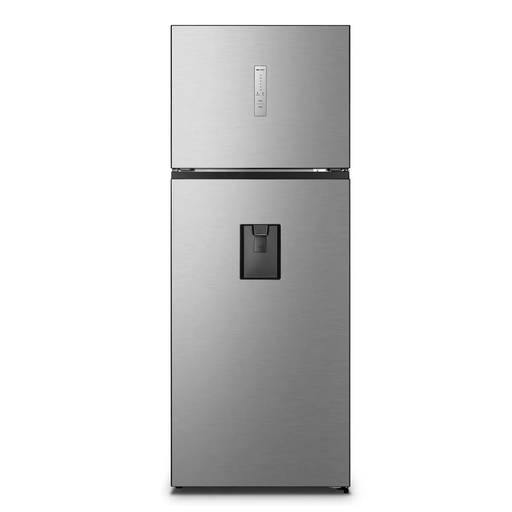 Image unavailable
Hisense FTN461WCE1, 467 l fridge-freezer
Worth comparing if you need a large capacity while keeping a separate freezer compartment. The model name indicates Total No Frost and an E energy rating. Check the split between compartments and the dimensions of the storage spaces.
View on Joybuy
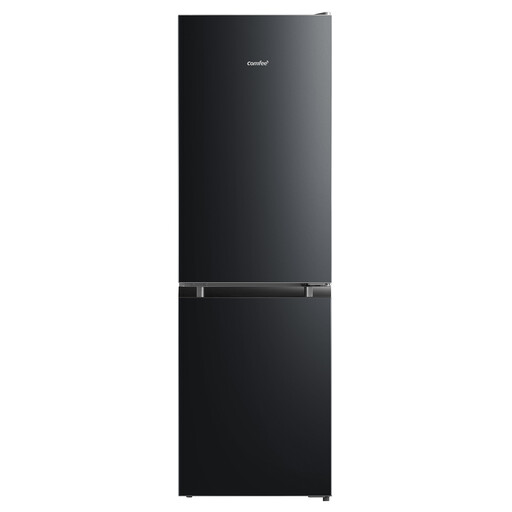 Image unavailable
Comfee' by Midea RCB230BL2EU(E), 174 l fridge-freezer
Worth considering if you freeze only a few portions and want a smaller appliance. The model name indicates Low Frost, an adjustable thermostat and a reversible door. Check that both compartments can accommodate your containers and compare the annual energy consumption on the label.
View on Joybuy
Frequently asked questions
What temperature should you keep prepared meals at in the fridge ?
Anses recommends keeping the temperature at 4 °C in the coldest part of the fridge and storing perishable foods, including cooked meals, there. Check your appliance manual to find this area.
Can you leave meals out before refrigerating them ?
Anses recommends not leaving food at room temperature for more than two hours before refrigerating it. Make sure there’s enough room in your appliance before you start cooking.
Is No Frost enough to keep meals safe ?
No. A No Frost feature doesn’t replace temperature checks or following recommended storage times. Anses also advises against overfilling the fridge, so that air can circulate.
What should you compare on the energy label ?
Compare the energy rating and annual consumption in kWh across appliances of a type and capacity suited to your needs. ADEME points out that refrigeration appliances run continuously : the space you actually need should also factor into your choice.


