One person in a studio flat
If your kitchen is very small and you tend to do frequent, smaller shops, start by measuring the space. A table-top fridge could suit your needs, provided you only need a small amount of freezer space.


For your first home, start by choosing a fridge that fits in your kitchen and has enough usable capacity for your shopping. A table-top fridge is best if space is tight and you keep few frozen foods; a fridge freezer is a better choice if you freeze food regularly, while a fridge with an ice box suits occasional freezing. Before ordering, also check which way the door opens, the ventilation clearances specified in the manual, the annual energy consumption and the noise level of the specific model.
If your kitchen is very small and you tend to do frequent, smaller shops, start by measuring the space. A table-top fridge could suit your needs, provided you only need a small amount of freezer space.
If you prepare meals in advance or keep frozen food in stock, compare a fridge freezer with a separate freezer compartment against a fridge with an ice box. Freezer capacity is a separate consideration from the space you need for fresh food.
Choose a capacity that suits the number of people in your household and the way you shop, then compare the stated annual energy consumption and noise levels of models that fit your kitchen. ADEME notes that capacity and features can affect electricity consumption.
Consider one if: you live alone, have a very small kitchen, shop frequently and keep few frozen foods.
Bear in mind: usable capacity is limited, and depending on the model, freezer space may be very small or not included at all.
Consider one if: you mainly keep fresh food and only need to freeze things occasionally.
Bear in mind: an ice box inside the fridge is not a substitute for a separate freezer compartment if you regularly stock frozen food.
Consider one if: you shop less often, prepare meals in advance or regularly need freezer space.
Bear in mind: you’ll need space for both compartments, and should compare the energy consumption of the specific model rather than making assumptions based on its type alone.
| What to consider | What to check | Who it matters to |
|---|---|---|
| Space and installation | Measure the space, the delivery route and the clearance needed to open the door. For a built-in model, also check the housing unit, door fitting and specified ventilation requirements. | In a small kitchen, I need to be able to get the appliance in and open the door without blocking the way; around 36% of consumers would prioritise this fit. |
| Fresh-food capacity | Compare the usable fridge capacity in litres and the interior layout. Que Choisir suggests 100 to 150 litres as a starting point for one person, then 50 litres for each additional person; adjust this to suit your shopping habits. | If I cook and keep several days’ worth of shopping, I need enough room for fresh food without choosing an unnecessarily large appliance; around 29% of consumers would make this their priority. |
| Freezer capacity | Compare the capacity of an ice box with that of a separate freezer compartment, and check how the latter is laid out. | If I regularly keep frozen food or prepared portions, I need a separate freezer space; around 21% of consumers would make this their top priority. |
| Energy consumption and noise | Compare the stated annual energy consumption, energy rating and noise level, ideally between models with capacities suited to your needs. | In an open-plan living space, I pay attention to ongoing electricity use and noise near living areas; around 14% of consumers would put these considerations first. |
Two appliances with similar total capacities may divide the space differently between fresh and frozen food. If the ice box is too small, you may have to change the way you shop.
Compare the usable fridge and freezer capacities separately against what you actually need to store.
The appliance dimensions alone won’t tell you whether it will fit through the access route, whether the door can open or whether there will be enough ventilation as specified in the manual.
Measure the delivery route and the space where the appliance will go. If your kitchen has a housing unit, check its internal dimensions and door system before choosing a built-in model.
If the appliance doesn’t fit, you may need to modify a unit or arrange another delivery, making installation more complicated.
A garage, patio or spot near a strong heat source may have conditions that are unsuitable for the appliance you’ve chosen.
Before deciding where to install it, check the climate class and permitted temperature range in the manual for your chosen model.
A fridge runs continuously. According to ADEME, its capacity and features can increase energy consumption; in a studio flat, the stated noise level also matters for comfort.
Once you’ve settled on a suitable capacity, compare the annual energy consumption and noise levels shown on each model’s product information.
These ranges offer useful points of comparison for capacity, installation and features; specifications vary from one model to another.
The range includes freestanding and built-in fridge freezers, with product information that lets you compare dimensions, capacities and practical features.
Some Beko fridge freezers feature air circulation technology and storage zones designed to help organise fresh food.
The brand’s freestanding and built-in models are worth considering when space and installation requirements are key factors in your choice.
These Joybuy fridge freezers have separate spaces for fresh and frozen food. Before choosing one for your first home, compare its capacity with your shopping needs and its dimensions with your kitchen: a larger capacity is only useful if you have the need and the space for it.
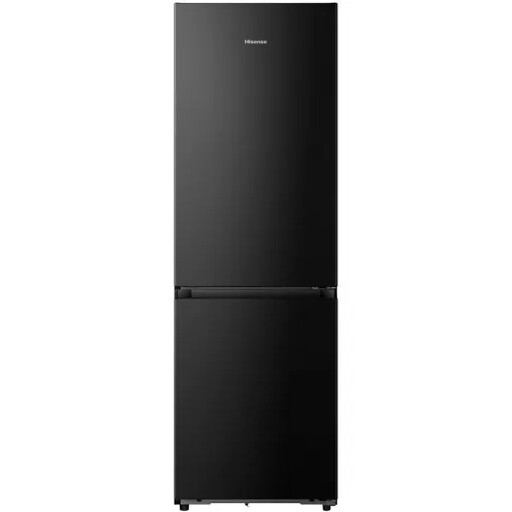 Image unavailable
Worth considering if you want separate spaces for fresh and frozen food and have room for a fridge freezer.
The product name states a total capacity of 330 L. Check how this capacity is divided and the clearances specified in the manual before choosing this model for a small kitchen.
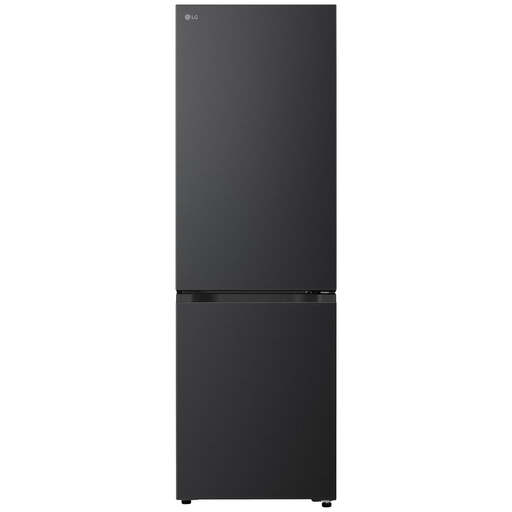 Image unavailable
Consider this model if you regularly use both compartments and have room for an appliance of this capacity.
The product name states a capacity of 333 L and energy class C. Measure the space and check the clearances and door-opening requirements for this model.
 Image unavailable
This fridge freezer is particularly worth comparing if your shopping needs call for plenty of space for both fresh and frozen food.
The product name states a capacity of 344 L and energy class E. If you live alone or have a small kitchen, compare this capacity with your needs and the appliance dimensions with the available space.
 Image unavailable
Worth comparing if you want a bottom freezer without immediately opting for one of the larger fridge freezers in this selection, which are all over 330 L.
The product name states a capacity of 282 L and energy class E. Check the delivery route and the installation requirements for the KGN33NLEB.
 Image unavailable
Worth considering if width is limited but you still need a separate freezer compartment.
The product name states a width of 54 cm, 153 L of fridge capacity, 74 L of freezer capacity, a reversible door and energy class E. Low Frost does not mean there will be no frost at all; also check the height and installation clearances required.
Que Choisir suggests 100 to 150 litres of usable capacity as a starting point for one person, depending on how often you shop and how many meals you keep in the fridge. Its guide adds 50 litres for each additional person. If you keep frozen food, check the freezer capacity separately.
An ice box may be suitable if you only need to freeze food occasionally. If you regularly keep frozen food or prepared portions, compare the capacities of fridge freezers with a separate freezer compartment instead.
Measure the width, height and depth of the space, the delivery route and the clearance needed to open the door. For a built-in model, also check the internal dimensions of the housing unit and the door system. In all cases, follow the clearances specified in the model’s manual.
First, check the appliance manual for how long to wait after transport. Electrolux recommends waiting at least 4 hours before plugging in an appliance in its transport instructions; follow the guidance for the model you’ve bought.
Yes. When a trader sells a new fridge to an individual in France, the legal guarantee of conformity applies. The Ministry of the Economy states that it also covers second-hand or refurbished goods sold under these conditions. It is separate from a retailer’s returns policy.