Before replacing a fridge or freezer to reduce energy use, check how much storage space you really need and how well your current appliance is working. If replacing it makes sense, compare the kWh/year figures for models of a similar type and capacity. ADEME points out that a newer appliance may use less energy, but choosing one that is too large or has extra features can increase its consumption.
Who should consider this decision?
Households with an older appliance
If your fridge, fridge freezer or freezer is still working, compare its energy use with that of an appliance that meets the same storage needs before thinking about replacing it. A difference in the stated kWh/year figures alone won’t predict how much energy you’ll use at home.
Households that don’t use all their storage space
If compartments are often only partly full, it may be worth reconsidering how much space you need, especially if you also have a separate freezer. ADEME warns that an appliance that’s too large can use more energy.
Households dealing with a fault
Before replacing the appliance, check that it’s keeping food in good condition and ask for a diagnosis. Whether it can be repaired will depend on the fault and on which parts are compatible with the exact model.
What should you check first?
First, work out what you store in the fridge and freezer, then compare the energy use of appliances that can meet those needs.
Fridge
Worth considering: if you mainly store fresh food and don’t need much freezer space.
Bear in mind: check whether the model has a freezer compartment. It may not be large enough for your frozen food.
Fridge freezer
Worth considering: if you regularly store fresh and frozen food in one appliance.
Bear in mind: a freezer compartment that’s larger than you need adds extra space to keep cold.
Separate freezer
Worth considering: if you regularly need more freezer space than a suitably sized fridge freezer can provide.
Bear in mind: this second appliance runs continuously, so check its energy use before adding it.
| Priority |
What to check |
Questions to ask yourself |
| Usable capacity |
Check the fridge and freezer capacities separately. Compare them with the amount of food you usually store, rather than choosing extra capacity just because it’s available. |
Does most of my storage go towards fresh food, or do I regularly need plenty of space for frozen food? |
| Annual energy use |
Check the kWh/year figure alongside the energy class and usable capacity. Compare appliances of a similar type, capacity and installation style; the energy class alone won’t tell you whether replacing your appliance is worthwhile. |
I want to know how much energy a model suited to my storage needs uses, rather than choosing based on its energy class alone. |
| Features and installation |
Check which features you’ll use, the stated noise level and any installation requirements. ADEME notes that extra features can increase energy use. |
Will I use an extra feature regularly? Will the appliance fit its space and suit my everyday needs? |
| Condition of your current appliance |
If you’re unsure whether it’s keeping food cold enough, measure the temperature at the coldest point in the fridge. Anses recommends between 0 °C and +4 °C for refrigerated food. If there’s a fault, ask for a diagnosis and check which parts are compatible. |
If the appliance is keeping my food in good condition, I can consider continuing to use it. If it’s faulty, it’s worth looking into a repair before replacing it. |
What should you avoid?
-
Choosing based on the energy class alone
Appliances with different capacities or designs won’t necessarily meet the same needs. The energy class doesn’t replace checking the kWh/year figures and usable capacities.
Work out what capacity you need, then compare the labels of similar models. The European Commission’s EPREL database provides information about models sold in the European Union.
-
Keeping more storage space than you need
ADEME says that an appliance that’s too large or has too many features can use more energy, even if a newer model has a favourable energy class.
Take stock of the fresh and frozen food you usually store before choosing a larger fridge freezer or adding a separate freezer.
Which brands should you consider?
Liebherr
Liebherr’s fridge freezer ranges include models with different storage capacities and features, making it easy to compare your options.
- Liebherr France lists fridge freezers with capacities of 255 l, 473 l and 485 l, among others. Compare the capacity of the model you’re considering with your needs.
- The brand’s energy-use and food-preservation information applies to the specific models it describes. Don’t assume it applies to the entire range.
Bosch
A Bosch product specification can help you compare compartment capacities, stated energy use and practical features.
- For the KGE39AWCA fridge freezer, Bosch Home Appliances France lists a C energy class, 249 l of fridge capacity, 94 l of freezer capacity, 38 dB and the LowFrost feature.
- These specifications apply to the KGE39AWCA. Check the details for the exact model you’re considering.
Electrolux
If you’re looking into repairing an Electrolux appliance, start with its exact model number and compatible parts.
- Electrolux France asks you to enter the PNC number for the EUF2740AOW model to see compatible parts and accessories.
- A part listed for this model doesn’t indicate whether a different model or fault can be repaired.
Fridge freezers to explore on Joybuy
These models are fridge freezers. They may be worth considering if you need to store both fresh and frozen food. Deciding whether to keep or repair your current appliance is a separate matter.
 Image unavailable
Samsung RB33B612EBN, 344 L black fridge freezer
Worth considering if you want one appliance for both fresh and frozen food. The product title lists a capacity of 344 L and an E energy class. Before comparing it with your current appliance, check the exact model’s label for the split between fridge and freezer capacity, and its kWh/year figure.
View on Joybuy
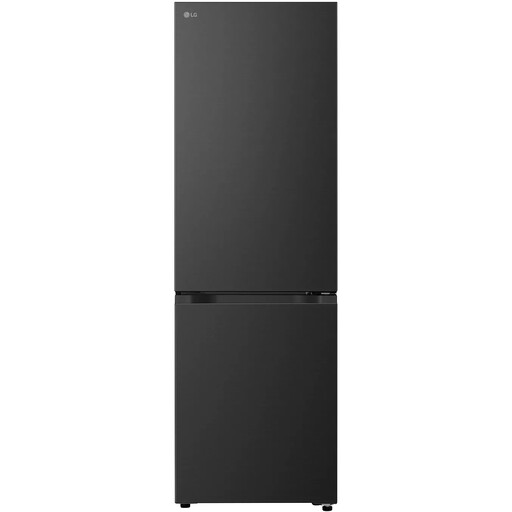 Image unavailable
LG GBBS312AEV, 333 L black No Frost fridge freezer
This fridge freezer may be worth considering if you need 333 L of space for fresh and frozen food. The product title mentions an A energy class and No Frost. Check the capacity of each compartment and the kWh/year figure on the exact model’s label.
View on Joybuy
 Image unavailable
Candy CFQQ5T817EPS, 467 L four-door fridge freezer
Its stated capacity of 467 L is worth considering only if you genuinely need a lot of storage space. The product title mentions Total No Frost and an E energy class. Check that you have enough room, review the capacity of each compartment and check the kWh/year figure for the exact model.
View on Joybuy
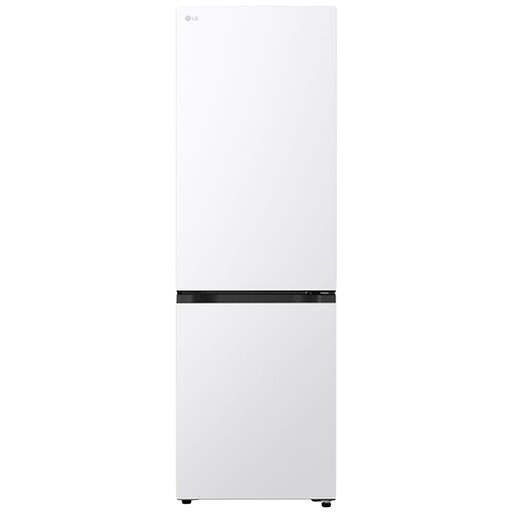 Image unavailable
LG GBBSJ1CCSW, white fridge freezer
If you’re considering this model for integrated installation, check that it’s compatible with your cabinetry and door system. The stated capacity differs between the product title and the model information. Check the product documentation to confirm the capacity before comparing energy use.
View on Joybuy
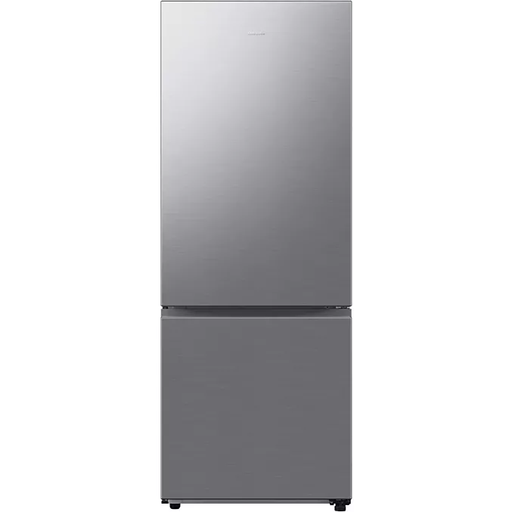 Image unavailable
Samsung RB53DG703DS9, 538 L grey fridge freezer
Its stated capacity of 538 L is only relevant if you’ll genuinely use that much storage space. The energy class in the product title doesn’t match the one in the model descriptions, so check the RB53DG703DS9’s label before comparing its energy use.
View on Joybuy
Frequently asked questions
How do I compare the annual energy use of two appliances?
Check the kWh/year figure for each appliance, then work out the difference. Compare their types and usable capacities too: the difference between a small fridge and a large fridge freezer alone won’t tell you whether it’s worth replacing one with the other.
Is the energy class enough to help me choose?
No. Check it alongside the kWh/year figure, compartment capacities and any features that matter for your installation. ADEME points out that an appliance that’s too large or has too many features can use more energy. The European Commission’s EPREL database lets you look up information about models sold in the European Union.
When should I consider keeping or repairing my fridge?
Consider keeping it if it’s storing food properly. If it develops a fault, ask for a diagnosis before deciding to replace it. For refrigerated food, Anses recommends a temperature between 0 °C and +4 °C at the coldest point. Whether it can be repaired will then depend on the fault and on which parts are compatible.
Why should I note down the exact model number before arranging a repair?
The model number helps you find parts that are suitable for your appliance. For example, Electrolux France asks for the PNC number of its EUF2740AOW model to show compatible parts. Check the information on the rating plate before requesting a diagnosis or looking for a part.


