What should you look for?
Work out the capacity and installation type you need before comparing stated annual energy use.
| Factor |
What to check |
Relevant to |
| Annual energy use |
Compare the kWh/year figures and energy ratings of models with a similar size and capacity. |
If my electricity bill is the main reason for replacing my appliance, I want to compare annual figures rather than just the energy-rating letter; around 36% of consumers make this a priority. |
| Usable capacity |
Check the fridge and freezer capacities separately in litres, based on your shopping habits. |
If I regularly keep frozen food, reducing the freezer capacity would make storage more difficult; this is the top priority for around 29% of consumers. |
| Installation and noise |
Check the dimensions, required clearances and stated noise level in dB(A). |
In a kitchen where space is limited, I need to be able to fit the appliance without overlooking noise near the living area; around 21% of consumers prioritise these practical considerations. |
| Size and features |
Consider whether you’ll use a larger model or features such as water and ice dispensers. |
If I rarely use these features, I’d rather choose the capacity I actually need; avoiding unnecessary extras is a priority for around 14% of consumers. |
Fridge freezers to explore on Joybuy
These fridge freezers suit a range of capacity and installation needs. If you’re replacing an appliance to reduce electricity use, make sure the size suits your needs, then check the energy label for the exact model before choosing.
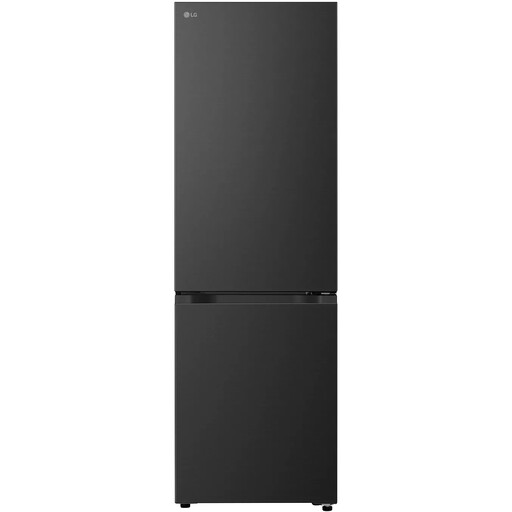 Image unavailable
LG GBBS312AEV, 333 L fridge freezer, class A
Worth considering if you’re looking for a 333 L fridge freezer to store fresh and frozen food. The model name indicates a No Frost system. Compare its stated annual energy use with that of appliances with a similar capacity, and check the installation dimensions.
View on Joybuy
 Image unavailable
LG GBBSJ1CCSW, 333 L fridge freezer, class C
Worth considering if a 333 L fridge freezer suits your storage needs. The model name lists NatureFRESH™, DoorCooling+™ and LinearCooling™. Think about whether these features would be useful to you, then check the capacity of each compartment and the kWh/year figure for the exact model.
View on Joybuy
 Image unavailable
Hisense RB3B250SAWC, 252 L built-in fridge freezer, class C
Worth considering if you’re replacing an integrated fridge freezer and want to keep the same type of installation. The model name lists a 252 L capacity and No Frost. Check that it fits the housing and cabinet door, then compare its kWh/year figure with those of other suitable built-in models.
View on Joybuy
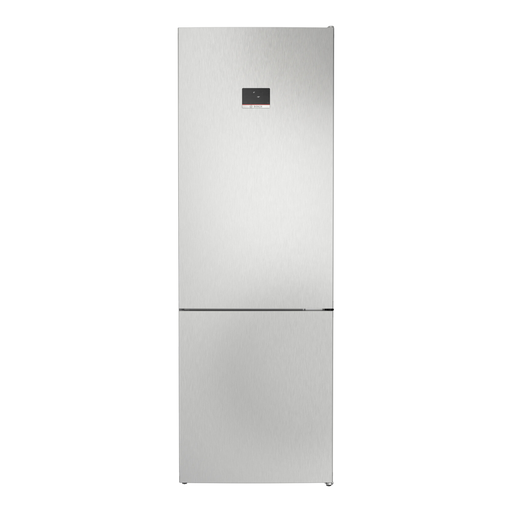 Image unavailable
Bosch KGN497LDF, 440 L fridge freezer, class D
Worth considering if your needs call for a 440 L fridge freezer. Before choosing this larger model, measure the space and delivery route. Also check its stated kWh/year figure and how the freezer is defrosted.
View on Joybuy
 Image unavailable
Samsung RB33B612EBN, 344 L fridge freezer, class E
Worth considering if a 344 L fridge freezer suits your storage needs. Before deciding whether replacing your appliance will help you reduce energy use, compare its stated kWh/year figure with those of similar models and check your kitchen dimensions.
View on Joybuy
Frequently asked questions
Is the energy rating enough to choose a new fridge?
No. Also compare the stated kWh/year figure, the capacity of each compartment and the size of the appliance. The European Commission provides an A to G rating scale, while its EPREL database lets you check details including annual energy use and model capacity.
Do the kWh/year figures show exactly how much energy I’ll use at home?
No. This is the stated annual figure for the model, not a guaranteed saving on your bill. Use it to compare appliances suited to similar storage needs. ADEME also points out that size and unnecessary extras affect energy use.
What capacity should I choose to avoid buying an appliance that’s too large?
UFC-Que Choisir suggests 100 to 150 litres as a starting point for one person, with a further 50 litres for each additional person. Adjust this guide to suit your shopping habits, the space you need for frozen food and the room available in your kitchen.
How can I arrange for my old fridge to be taken away?
The Ministry for Ecological Transition says that a “one-for-one” take-back scheme applies when you buy a new appliance of the same type. Before ordering, check with the retailer how collection is arranged, particularly for home deliveries.
What should I ask about spare parts?
Ask which parts are available for the exact model and for how long. The DGCCRF explains that the minimum availability periods for domestic refrigeration appliance parts vary depending on the part. This information doesn’t replace checking the after-sales service options for the model you choose.


