How should you set your priorities?
Start by finding out how much energy your current appliance uses, then compare it with replacements of the same type and a suitable capacity. An energy-label figure alone doesn’t reflect how you use an appliance.
| Priority |
What to check |
What I need |
| Target your bills |
Check the energy use of the appliance in question and how often you use it. Compare it with the figures for a similar replacement before making a decision. |
My bills are putting pressure on my budget, so I want to focus on one purchase rather than replace all my appliances. In a September 2025 energy survey by France’s National Energy Ombudsman, which covered 2,000 households in metropolitan France, 85% said their energy bills made up a significant part of their budget. This figure does not measure plans to replace appliances. |
| Fridges and freezers |
Compare the kWh/year figures for fridges or freezers of the same type and a similar capacity. Check the usable capacity before looking at extra features. Based on its usage assumptions, ADEME gives figures of 315 kWh/year for an average fridge-freezer and 100 kWh/year for a new class A fridge-freezer. This isn’t a guaranteed saving from replacing your appliance. |
My appliance runs continuously. I need enough capacity, but don’t want to buy a model that’s bigger than necessary. |
| Dishwasher |
Check the kWh per 100 Eco cycles, litres per cycle and place-setting capacity. According to ADEME, the energy label also shows the Eco programme duration and noise level. |
I use my dishwasher often, but its capacity and cycle duration need to suit our routine. |
| Hob and oven |
For an induction hob, check your kitchen’s electrical installation and cookware. The European Commission notes that hobs don’t have an energy label. For an oven, compare its capacity and kWh per cycle for conventional and fan-assisted cooking. |
I cook regularly and want to compare options that suit my kitchen and the cooking modes I use. |
| Repair |
Get a fault diagnosed and check the maintenance instructions in the manual. If you’re replacing a dishwasher in France, also check its repairability index, which is scored out of 10, as set out by the ministries responsible for the ecological transition. |
If my appliance isn’t working properly, I’d rather find out whether maintenance or a repair will do the job before buying another one. |
Which brands should you consider?
There are no specific brands to feature in this section.
Which appliances are available on Joybuy?
These options are for replacing a fridge or freezer, a dishwasher or a hob. Start by choosing the category that suits your needs, then check the dimensions and specifications of the model you’re considering.
 Image unavailable
CHiQ JR263LGE, 262 L Low Frost fridge-freezer, black
Worth considering if you’re replacing a fridge-freezer and 262 L suits your needs. The title lists a 70/30 split, a width of 54 cm and a height of 176 cm. Compare its energy-label figures with those of an appliance of similar capacity. The product details say it isn’t suitable for an unheated garage where the temperature falls below 16 °C.
View on Joybuy
 Image unavailable
Haier HTW5618ENMG, 360 L three-door fridge-freezer
Consider comparing this fridge-freezer if you genuinely need 360 L of capacity. The title lists Total No Frost, class E and Wi-Fi. Check the model’s energy label and make sure you have enough space. Choosing a larger capacity than you need won’t, by itself, help to reduce your bill.
View on Joybuy
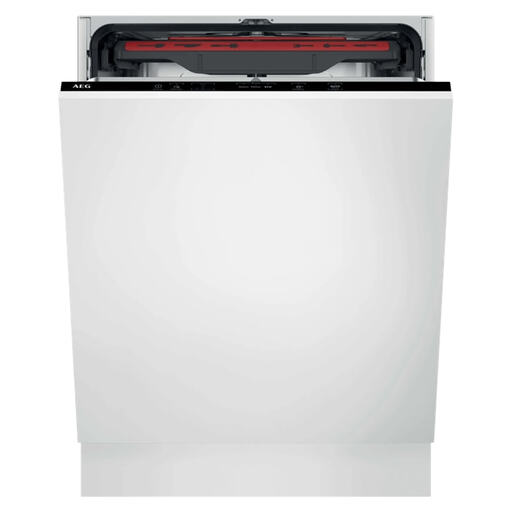 Image unavailable
AEG FSB34707Z, fully integrated dishwasher, 14 place settings
Worth considering if a fully integrated dishwasher with 14 place settings suits your usual load; the title lists class C. Check the Eco programme figures on the energy label. Before planning the installation, confirm the space available: the product title gives a width of 60 cm, but the dimensions table lists 68 cm.
View on Joybuy
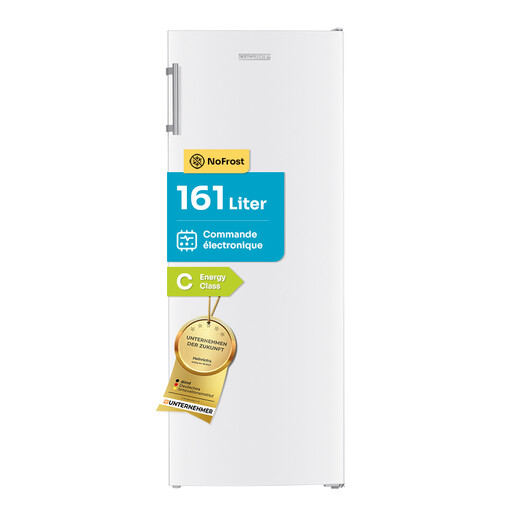 Image unavailable
Heinrich´s, 161 L No Frost freezer, white
This separate freezer offers 161 L of storage, and the title lists class C. Check that the capacity suits your needs, then look at the kWh/year figure on the energy label to compare its energy use with that of another freezer of similar capacity.
View on Joybuy
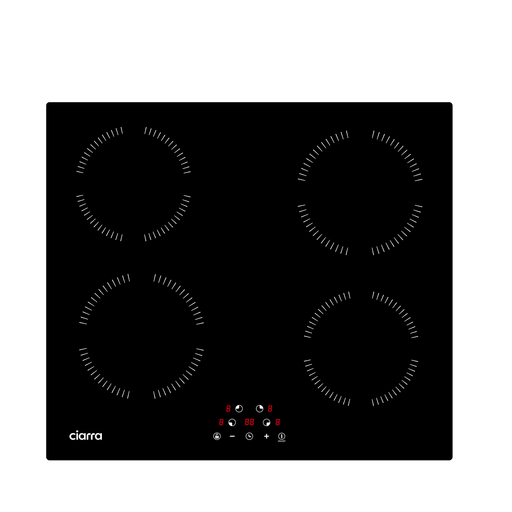 Image unavailable
CIARRA CABBIH4-A, four-zone induction hob
Worth considering if you’re replacing a hob and four zones suit the way you cook. The title lists nine power settings. Check the cut-out dimensions, electrical connection and cookware compatibility; the product details say professional installation is required. The European Commission says hobs don’t carry energy labels, so the technology alone can’t tell you how much energy you could save with this model.
View on Joybuy
Frequently asked questions
Which kitchen appliance should you check first to cut your electricity use?
Start with the appliance that uses a lot of energy for the way you use it. Fridges and freezers run continuously, and ADEME’s figures show differences between some average appliances and new models. However, these comparisons are based on usage assumptions. Check your own appliance’s energy use and capacity before deciding.
How can you compare two dishwashers beyond their energy class?
According to ADEME, compare the kWh per 100 Eco cycles, water use per cycle, place-setting capacity, Eco programme duration and noise level shown on the energy label. Choose a capacity that suits your usual load. Eco programme figures won’t necessarily reflect a quick or intensive cycle.
Does an induction hob have an energy label?
No. The European Commission says there’s no energy-labelling requirement for hobs. If you’re considering induction, check that your kitchen’s electrical installation and cookware are compatible, rather than assigning an energy class to the hob.
Should you replace a dishwasher that isn’t working properly?
Not necessarily. ADEME recommends having the problem diagnosed before replacing the appliance. Check the maintenance instructions in the manual and have a potential repair assessed. If you then choose a new appliance in France, its repairability index is another useful comparison point.
Where can you compare the specifications of appliances with an energy label?
Check the model’s energy label and EPREL, the European Commission’s database of products sold in the EU. Compare appliances in the same category and with a suitable capacity, using the relevant measure: kWh/year for fridges and freezers, kWh per 100 Eco cycles for dishwashers, or kWh per cycle for ovens.


