How do you choose the type and capacity?
First work out how much space you need for fresh and frozen food. Then use the figures on the energy label to compare models that meet those needs.
Standalone fridge
Worth considering if: you mainly store fresh food and already have a freezer, or rarely freeze food.
Bear in mind: check how you’ll store frozen food if your needs change.
Fridge-freezer
Worth considering if: you need one appliance for your everyday fresh and frozen food.
Bear in mind: the total capacity may be ample, but the freezer compartment could still be too small for your needs.
Separate freezer
Worth considering if: you already have a suitable fridge and regularly freeze quantities that need a separate space.
Bear in mind: this second appliance will also run continuously, so choose a capacity that suits how you use it.
| Priority |
What to check |
What I need |
| Annual energy use |
Compare kWh/year figures for appliances of the same type and with a similar capacity. Check the A to G rating on the EU energy label and the details for the exact model in EPREL, the European Commission’s product database. |
I want to take account of an appliance that runs continuously, without choosing based on its energy rating alone. |
| Capacity and dimensions |
Check the fridge and freezer capacities in litres separately. Verify the overall dimensions, delivery access and the clearances specified in the instructions. |
I may need a different amount of space for frozen and fresh food, and the appliance must also fit in my kitchen. |
| Noise and maintenance |
Compare the stated noise level in dB. If defrosting matters to you, check which feature is available, then compare the exact model’s kWh/year figure rather than assuming it will use less energy. |
Noise may influence my choice in a living area; I may also want an appliance that reduces the need for manual defrosting. |
| Installation and removal |
Check the installation instructions and the delivery, connection and old-appliance collection options available for the model you choose. |
I’m replacing a bulky appliance, so I need to plan for its removal as well as the installation of the new one. |
A few examples from well-known brands
These examples show the specifications of specific models, not those of every product range from each brand.
Bosch
The freestanding KGN39AIAU fridge-freezer may be worth considering if you want to compare the capacity and noise level of an appliance with space for both fresh and frozen food.
- Bosch lists this model with an A rating, 260 L of fridge space and a noise level of 29 dB.
- Also check the freezer capacity, dimensions and annual energy use before comparing it with another fridge-freezer.
Liebherr
The CBNsfc 5223 Plus is an example of a fridge-freezer with dedicated compartments and a NoFrost feature.
- Liebherr lists this model with a total capacity of 320 L and a noise level of 35 dB.
- Check the capacity of each compartment and the kWh/year figure for the version you’re considering. NoFrost alone doesn’t tell you how much energy it uses.
Whirlpool
The WHK26493X4E is an example of a large-capacity fridge-freezer to consider if you have the storage needs and space for it.
- Whirlpool lists this model with a total capacity of 490 L, an E rating and a noise level of 38 dB.
- Check how the capacity is split between compartments and whether it will fit. A fridge-freezer this size won’t suit the same needs as a compact model.
Fridge-freezers available on Joybuy
These models combine fridge and freezer space. If you only need one or the other, work out the capacity you need before considering a fridge-freezer.
 Image unavailable
CHiQ JR263LGE, 262 L Low Frost black fridge-freezer
If you want to store fresh and frozen food in a narrow space, check whether its stated width of 54 cm will fit, along with the clearances specified in the instructions. The title gives a 70/30 split; check the label for the exact model to compare its annual energy use.
View on Joybuy
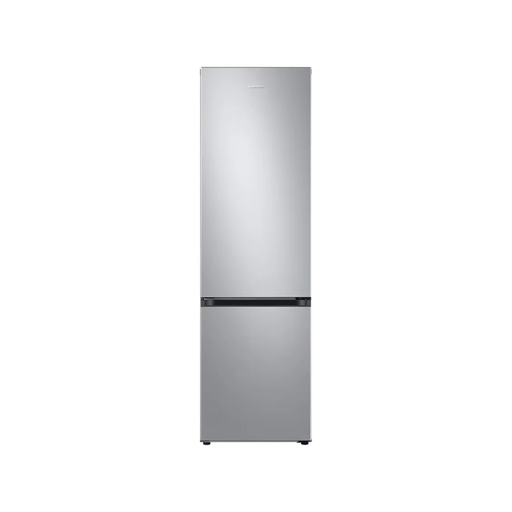 Image unavailable
Samsung RB38C604DSA, 390 L D-rated fridge-freezer
If you’re looking for a fridge-freezer of this capacity, check how much space it offers for fresh and frozen food. To compare its energy use, check the kWh/year figure on the label for the exact model you’ve chosen, as well as its installation requirements.
View on Joybuy
 Image unavailable
Haier HTW5618ENMG, 360 L 3-door fridge-freezer
The three-door layout may appeal if you want to organise fresh and frozen food separately. The title mentions Total No Frost, an E rating, Wi-Fi and My Zone. Choose these features based on how you’ll use the appliance, then check the kWh/year figure and compartment capacities for the exact model.
View on Joybuy
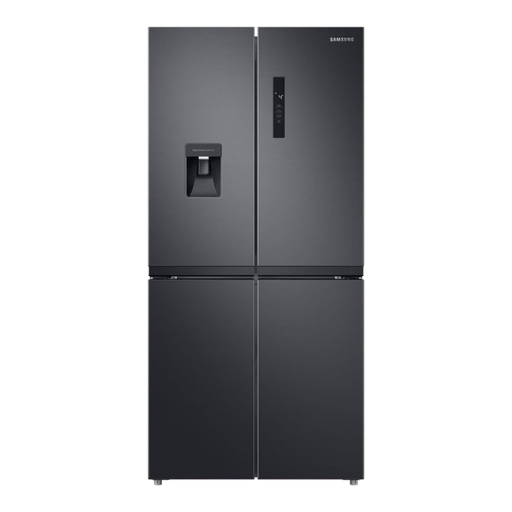 Image unavailable
Samsung RF48A401EB4, 488 L black fridge-freezer
This large capacity is only worth considering if you’ll make good use of the storage space. The title states an E rating; also check the capacity of each compartment, the kWh/year figure, the space available and delivery access.
View on Joybuy
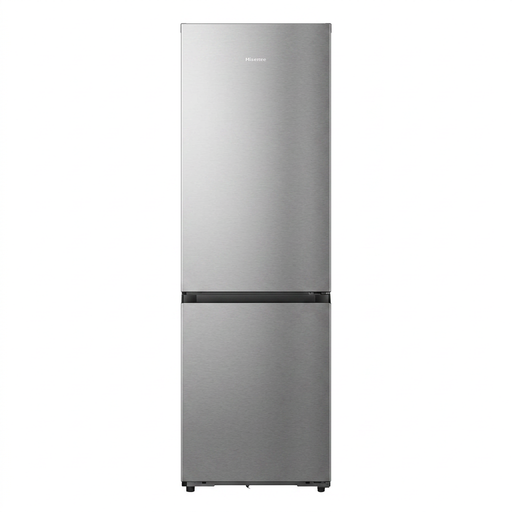 Image unavailable
Hisense RB3K330SAFC, 330 L No Frost fridge-freezer
If defrosting and noise matter in your kitchen, the title lists No Frost and 35 dB. Still, check the fridge and freezer capacities, rating and kWh/year figure on the label for the exact model before comparing it with another fridge-freezer.
View on Joybuy
Frequently asked questions
How do you compare the energy use of two refrigeration appliances?
First compare appliances of the same type and with a similar usable capacity, then check their stated annual energy use in kWh/year. Also note the capacity of each compartment and, where available, check the exact model’s details in EPREL, the European Commission’s product database.
Is a better energy rating enough to help you choose?
No. The rating on the EU energy label is a useful guide, but it doesn’t tell you whether the capacity and how it’s divided will suit your needs. Compare the kWh/year figures and the capacity of each compartment for appliances that meet the same requirements.
Does NoFrost mean a fridge-freezer uses less energy?
No. Manufacturers describe NoFrost as a feature that helps limit frost build-up, but it isn’t enough on its own to compare the energy use of two appliances. Check their stated kWh/year figures and capacities instead.
Should you replace an old appliance just to reduce energy use?
Not automatically. If you know or can measure how much energy your current appliance uses, compare it with the stated kWh/year figure for a new model that meets the same storage needs. Also consider the condition of your existing appliance: the new model’s energy rating alone can’t predict the results you’ll see at home.
What should you plan for when replacing a fridge or freezer?
Measure the space and the route into your kitchen, then check the clearances required in the new model’s instructions. Before ordering, confirm with the retailer the arrangements for delivery, any installation and collection of your old appliance.


