What sets these appliances apart?
First work out how much space you need for fresh and frozen food, then compare the energy labels of appliances that offer the right balance.
| Criterion |
What to check |
Who it suits |
| Enough space for fresh food |
Usable capacity of the fridge compartment and appliance dimensions. |
When I don’t buy much fresh food, I want enough space without shelves that will sit empty; around 29% of consumers would prioritise getting the right capacity for fresh food. |
| A good balance of fresh and frozen storage |
Capacity of each compartment and annual energy consumption in kWh. |
If I regularly store both types of food, I want a practical split in a single appliance; around 36% of consumers would share this priority. |
| Organised access to frozen food |
Usable capacity of an upright freezer, internal storage and annual kWh consumption. |
When I often freeze meals or bulk buys, I prefer to be able to find food in drawers; around 21% of consumers would put organised access first. |
| Plenty of storage in a chest freezer |
Usable capacity, floor space and clearance to open the lid. |
To store large quantities bought in bulk, I’m happy to access food from above if I have enough space; nearly 14% of consumers would prioritise this type of storage. |
According to ADEME, refrigeration appliances run continuously, so any extra capacity should be chosen to meet a genuine need. To compare similar models, check their annual kWh consumption, compartment capacities and noise levels on the energy label, then look at the installation requirements for the exact model.
Appliances to suit your food storage needs
These appliances suit three of the needs covered here: keeping fresh and frozen food together in a fridge-freezer, organising frozen food in an upright freezer or storing larger quantities in a chest freezer. First choose the format that suits your habits, then check the specifications of your chosen model against its energy label.
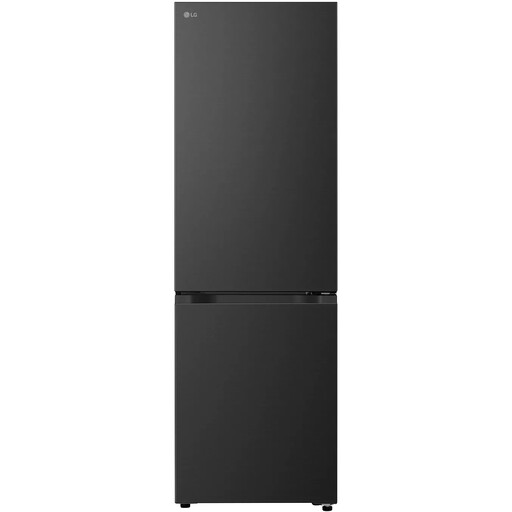 Image unavailable
LG GBBS312AEV, 333 L No Frost fridge-freezer, black
Worth considering if you want to keep fresh and frozen food in one appliance. Its stated capacity is 333 L; the product title lists No Frost and an A rating. Check the capacity of each compartment and the annual kWh consumption on the energy label for this model.
View on Joybuy
 Image unavailable
Candy CFQQ5T817EPS, 467 L four-door fridge-freezer, silver
This format is suited to households whose food storage needs justify a large capacity for both fresh and frozen food. The product title lists Total No Frost and an E rating. Measure the available space and compare the capacity of each compartment and the model’s annual kWh consumption.
View on Joybuy
 Image unavailable
AUCMA, 291 L convertible chest freezer, E rated
Worth considering if you regularly store large quantities of frozen food and have enough floor space. The product title says it can switch between fridge and freezer modes. Allow room to open the lid and check the ambient temperature range before installing it in an unheated room.
View on Joybuy
 Image unavailable
Samsung RB33B612EBN, 344 L fridge-freezer, black
This fridge-freezer is worth considering if you’re looking for one appliance for fresh and frozen food. The product title lists a capacity of 344 L and an E rating. Check how the capacity is split between compartments, the annual kWh consumption and the installation requirements for this model before comparing it with other fridge-freezers.
View on Joybuy
 Image unavailable
Heinrich´s, 161 L No Frost upright freezer, stainless steel finish
Worth a look if you want a separate freezer with easy access to food from the front. The product title lists a C rating and No Frost. To assess its energy consumption and plan where to put it, check the model’s annual kWh consumption, dimensions and ambient temperature range.
View on Joybuy
Frequently asked questions
What should I compare on the energy labels of two refrigeration appliances?
Compare annual energy consumption in kWh and compartment capacities for appliances with similar intended uses and capacities. The European energy label uses a scale from A to G and also shows the noise level. You can find more detailed information about a model in its EPREL product fiche.
What fridge capacity does my household need?
Use your shopping habits as a starting point rather than aiming for a fixed capacity. Que Choisir suggests 100 to 150 litres for one person, plus 50 litres for each additional person. Adjust this depending on whether you buy in bulk, prepare meals and how much space you need for frozen food.
Can I put a freezer in an unheated garage?
Yes, as long as the permitted ambient temperature range for your chosen model is suitable for the garage. Check the minimum and maximum temperatures in the documentation or EPREL product fiche. Beko’s claim that some models are suitable for unheated rooms doesn’t apply to every appliance.
What temperature should I set the compartments to?
First, follow the food storage temperatures shown on the packaging, as recommended by the DGCCRF. Then check the recommended settings for each compartment of your appliance. These vary by model and don’t override the instructions on food packaging.


